







The End of Empty Eating
For decades, the conversation around healthy eating was dominated by what to restrict: fats, sugars, carbs, and above all, calories. Food was often seen as the enemy, something to be controlled and minimised. But a new, more intuitive approach is taking
hold across India. Consumers are increasingly looking for foods that do more than just provide basic energy; they want foods that offer functional benefits. The two most sought-after benefits are satiety—the feeling of being comfortably full—and good digestive health. This isn't just a niche trend for fitness fanatics; it's a mainstream movement driven by a desire for better overall well-being. People are tired of feeling hungry an hour after a 'healthy' meal or dealing with bloating and discomfort. They are seeking satisfaction, not just sustenance.
The Science of Satiety
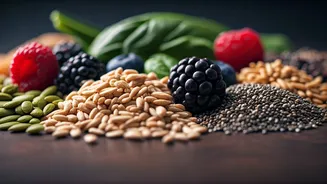
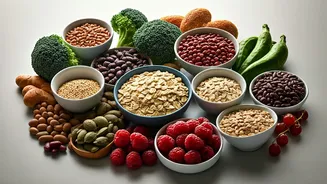
So, what makes a food filling? The answer lies primarily in two macronutrients: protein and fibre. Protein is known to be the most satiating nutrient. It takes longer to digest and has a powerful effect on the hormones that signal fullness to your brain. This is why a breakfast of eggs or a lunch with dal and paneer keeps you feeling satisfied for hours, unlike a sugary snack that leads to a quick crash. Fibre, found abundantly in whole grains, legumes, fruits, and vegetables, works in a different way. It adds bulk to your meals and slows down the rate at which food leaves your stomach. Soluble fibre, in particular, forms a gel-like substance in your digestive tract, promoting a sustained feeling of fullness. By choosing foods rich in both, you naturally regulate your appetite, reduce cravings, and are less likely to overeat, which is a cornerstone of sustainable weight management.
The Gut Health Revolution
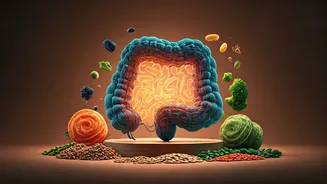
Alongside satiety, digestive wellness has become a massive priority. We now understand that a healthy gut—home to trillions of microbes—is linked to everything from our immune system and mood to skin health. This has sparked a huge interest in probiotics and prebiotics. Probiotics are the 'good' bacteria found in fermented foods. For us in India, this isn't a new concept. A daily bowl of homemade dahi, a glass of chaas, or traditional pickles have always been part of our diet. What's new is the conscious understanding of *why* they are so good for us. Prebiotics, on the other hand, are the food for these good bacteria. They are types of fibre found in foods like onions, garlic, bananas, and whole grains. A diet rich in prebiotic fibre ensures that your gut microbiome thrives, leading to smoother digestion, less bloating, and better nutrient absorption. This focus on gut health is a return to traditional wisdom, now backed by modern science.
Building a Satiety-Focused Plate
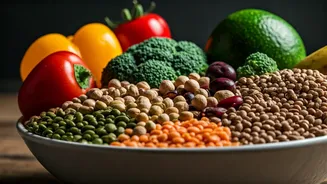
Putting this into practice is simpler than it sounds. It’s about making smart swaps and additions. Instead of polished white rice, consider millets like jowar, bajra, or ragi, which are packed with fibre. Ensure every major meal has a solid protein source—be it lentils, chickpeas, beans, tofu, paneer, eggs, or lean meats. Snack smart by choosing a handful of nuts, a piece of fruit, or a bowl of sprouts over packaged biscuits. When you look at your plate, it should be colourful and diverse, filled with vegetables that provide both fibre and essential micronutrients. This approach isn't about deprivation; it's about adding nutrient-dense foods that work harder for your body. The goal is to finish a meal feeling energised and satisfied, not stuffed or sluggish.
Reading Labels with New Eyes
This trend is also changing how we shop. When looking at a nutrition label, many are now scanning past the calorie count and heading straight for the protein and dietary fibre content. A product might be low in calories, but if it has zero fibre or protein, it’s likely to leave you hungry and unsatisfied. Food companies have taken note. You'll now find a growing number of products fortified with fibre, protein-enriched snacks, and drinks containing probiotics. While whole, unprocessed foods are always the best choice, this market shift makes it easier to find convenient options that align with the goal of feeling full and supporting digestion. The savvy consumer is no longer just a calorie-counter; they are a nutrient-investigator, looking for the best return on their dietary investment.