




Beyond Flexibility: A New Philosophy
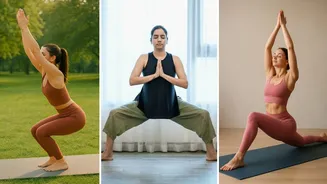
This emerging yoga theme isn’t a new brand or a rigid style, but rather a shift in philosophy. It re-frames yoga not as a pursuit of pretzel-like flexibility, but as a practical tool for maintaining functional fitness for life. The focus is less on achieving
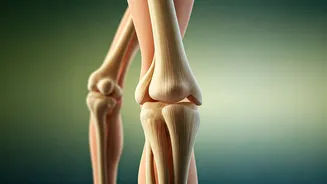
the 'perfect' pose and more on what the practice can do for the body as it matures. It prioritises joint health, muscle maintenance, balance, and mental clarity, addressing the most common concerns associated with ageing. This approach acknowledges that the needs of a 60-year-old are different from those of a 20-year-old, and it adapts the ancient practice to serve the modern goal of a long and active life.
The Core Pillars of Ageing Gracefully
This yoga movement is built on several key pillars that directly combat the common effects of ageing. First is balance. Poses are modified to safely challenge and improve proprioception, which is the body's ability to sense its position in space. This is crucial for preventing falls, a major health risk for seniors. The second pillar is mobility and flexibility, not for deep backbends, but for lubricating joints and maintaining a full range of motion for daily activities like reaching for a high shelf or bending to tie shoes. Finally, strength training is incorporated through gentle, sustained poses that use body weight to preserve muscle mass, which naturally declines with age. This combination helps maintain independence and a high quality of life.
Key Principles to Embrace
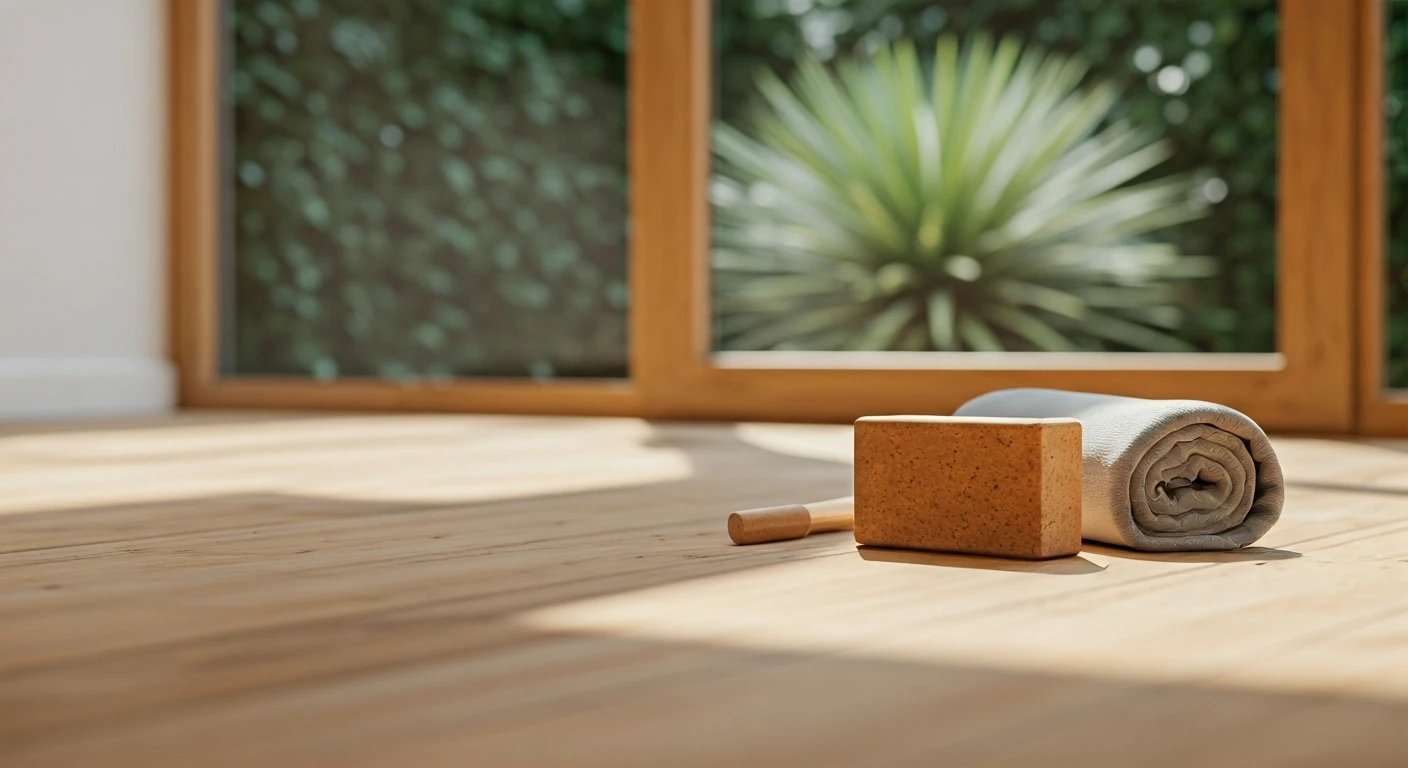
If you're interested in adopting this practice, focus on principles over performance. First, 'Listen to Your Body' is the golden rule; there should never be pain, only gentle stretching. Second, 'Props are Your Friends'. Using chairs, blocks, blankets, and walls is not a sign of weakness but a smart way to support your body, ensure correct alignment, and get the full benefit of a pose without risk of injury. Third, 'Breath is the Anchor'. Pranayama, or breathwork, is central. Slow, deep breathing calms the nervous system, lowers blood pressure, and brings a mindful quality to the movement, connecting body and mind. Finally, prioritise consistency over intensity. A gentle 20-minute practice done daily is far more beneficial than a strenuous 90-minute class once a week.
Simple Practices to Start Today
You don't need a fancy studio to begin. You can start at home with a few safe and effective movements.
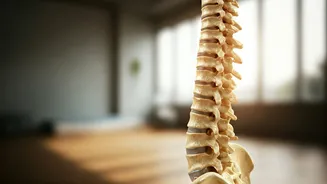
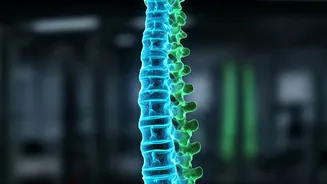
**Chair Cat-Cow:** Sit tall on a sturdy chair, feet flat on the floor. On an inhale, arch your spine and look up, rolling your shoulders back (Cow). On an exhale, round your spine, dropping your chin to your chest (Cat). This is excellent for spinal mobility.
**Mountain Pose (Tadasana):** Stand with your feet hip-width apart, distributing your weight evenly. Engage your leg muscles, lengthen your spine, and relax your shoulders down and back. This simple pose improves posture and body awareness.
**Wall Push-Up:** Stand facing a wall, about an arm's length away. Place your palms on the wall at shoulder height. Bend your elbows and lean your body towards the wall, keeping your back straight. Push back to the starting position. This builds upper body strength safely.
Finding the Right Guidance
While you can start on your own, finding a qualified instructor can make a world of difference. Look for teachers who have experience or certifications in 'geriatric yoga,' 'senior yoga,' or 'accessible yoga.' Don't be afraid to ask a potential instructor about their approach to teaching older adults. A good teacher will be more interested in your safety and well-being than in pushing you into a difficult pose. They will encourage the use of props and offer multiple modifications for each posture, ensuring the practice is tailored to your unique body and needs.