






More Than Just Protein
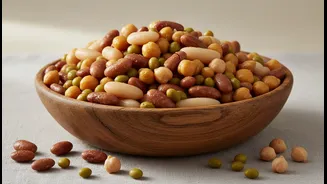
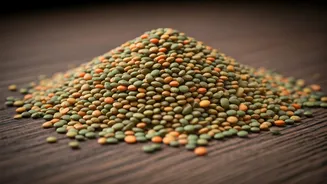
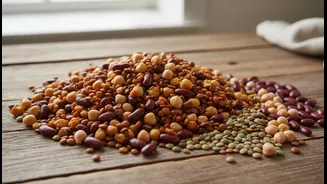
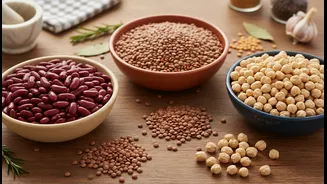
Pulses—the edible seeds from legume plants like lentils, chickpeas, and beans—are a cornerstone of Indian cuisine. While they're celebrated for being a great source of plant-based protein, their benefits go far deeper. Pulses are packed with essential
micronutrients, including iron, folate, potassium, and magnesium. They are also incredibly high in dietary fibre and low in fat, making them a nutritional powerhouse. This unique combination of protein and fibre means they are digested slowly, providing sustained energy and helping you feel fuller for longer. This makes them not just a part of a meal, but a crucial component for building a healthier diet from the ground up.
A Big Boost for Heart Health
One of the most significant, yet often overlooked, benefits of daily pulse consumption is its positive impact on cardiovascular health. Studies have consistently shown that a diet rich in pulses can help manage key risk factors for heart disease. The high soluble fibre content helps lower LDL cholesterol, often called 'bad' cholesterol, by preventing its absorption in the gut. Regular intake is also linked to lower blood pressure. Being naturally low in fat and free of cholesterol, pulses are an ideal food for maintaining a healthy heart. Simply incorporating a serving of rajma, chana, or moong into your meals can be a proactive step towards long-term cardiovascular wellness.
The Gut Health Connection
A healthy gut is the foundation of overall well-being, and pulses are one of its best allies. The fibre in pulses, particularly a type called resistant starch, acts as a prebiotic. This means it isn't digested in the small intestine but travels to the large intestine, where it becomes food for the beneficial bacteria living there. A flourishing gut microbiome is linked to everything from improved digestion and a stronger immune system to better mental health. Regular consumption of pulses can promote bowel regularity and may help reduce the risk of certain digestive disorders. By feeding the good bacteria, you're essentially creating a healthier internal ecosystem with every meal.
A Secret Weapon for Blood Sugar and Weight
For those managing blood sugar levels or trying to maintain a healthy weight, pulses are an invaluable tool. They have a low glycemic index (GI), which means they don't cause the rapid spikes in blood sugar that can follow a meal high in refined carbohydrates. The slow release of energy helps maintain stable blood glucose levels, which is particularly beneficial for individuals with diabetes. This same slow-digesting property, combined with their high protein and fibre content, also promotes a feeling of fullness, or satiety. When you feel full and satisfied, you are less likely to overeat or crave unhealthy snacks, making weight management a more achievable goal.
Making Smart and Simple Swaps
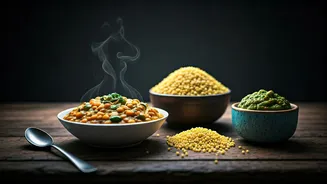
You don't need a complete diet overhaul to reap these rewards. The beauty of pulses is their versatility. Think about swapping some of the refined carbohydrates in your meals for a portion of pulses. Instead of having only rice, try a mix of rice and lentils. Consider adding chickpeas or kidney beans to your salads for an extra dose of protein and fibre. Rotating the types of dal you eat throughout the week—from masoor and toor to urad and moong—can provide a wider array of nutrients, as each has a slightly different profile. Even replacing a portion of red meat with a serving of legumes a few times a week can have a significant positive impact on your cholesterol levels and overall health.