


Why Excess Moisture Is a Problem
When indoor humidity regularly goes above 60%, it creates the perfect breeding ground for mould, mildew, and dust mites. These unwelcome guests can trigger allergies, worsen asthma, and cause other respiratory issues. Beyond health concerns, persistent
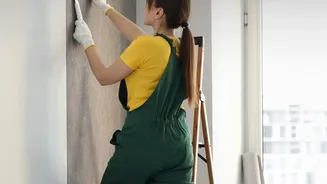
dampness can wreak havoc on your home itself. It can cause paint to peel, wallpaper to bubble, wooden furniture and doors to swell or warp, and even compromise the structural integrity of walls over time. That musty smell is more than just an odour; it’s a sign that your home is struggling with too much moisture.
Master Your Home's Ventilation
It may seem counterintuitive to open windows when it's humid outside, but proper ventilation is crucial. Stagnant air traps moisture, so creating airflow is your first line of defence. Try to open windows on opposite sides of the house for a few hours on dry days or during breaks in the rain to create cross-ventilation. In areas that generate a lot of moisture, like kitchens and bathrooms, always use the exhaust fan. Run it during and for about 15-20 minutes after cooking or showering to expel moist air directly outside. Even running a ceiling fan on a low setting can help circulate air and prevent dampness from settling.
Stop Leaks at the Source
One of the most common reasons for dampness is water seeping in from the outside. Before the monsoon gets into full swing, thoroughly inspect your home for any potential entry points. Check the roof, external walls, and the seals around windows and doors for cracks or gaps. A small crack can let in a surprising amount of water over time. Use waterproof sealants to plug these gaps. Also, check for any leaky pipes under sinks or in the bathroom, as even a small, slow drip contributes to the overall humidity inside.
Manage Indoor Laundry Drying
Drying wet clothes indoors is a major source of humidity. A single load of laundry can release a significant amount of water into the air as it dries. If you must dry clothes inside, avoid doing so in a closed, unventilated room. Instead, hang them in a dedicated area with good airflow, preferably near an open window or with a fan pointed at them to speed up drying and disperse the moisture. If you have a balcony, use it whenever possible. This simple change can make a huge difference in your home's humidity levels.
Use Natural Moisture Absorbers
For enclosed spaces like wardrobes, cupboards, and shoe racks where air circulation is poor, natural dehumidifiers can be very effective. These areas are prone to developing musty smells and mould. You can use several common household items to combat this. Placing a bowl of rock salt is a well-known method, as salt naturally draws moisture from the air. Small bags of silica gel (the packets you find in new shoe boxes), activated charcoal, or even baking soda can also be placed in corners to absorb excess humidity and prevent fungal growth.
Rethink Your Indoor Plants and Rugs
While houseplants are great for air quality, they also release moisture into the air through a process called transpiration. If your home feels excessively damp, consider moving some of your plants to a balcony or covered outdoor space during the peak monsoon months. Be careful not to overwater the ones that remain indoors. It's also a good idea to roll up and store thick carpets and rugs during this season. They can trap a lot of moisture, take a long time to dry if they get damp, and can become a breeding ground for mildew, contributing to that unwanted musty smell.