





A Different Kind of Getaway
For a growing number of young, urban Indians, the go-to vacation itinerary is getting a rewrite. Instead of the familiar party beaches of Goa or the bustling markets of Bangkok, they’re looking south to the emerald isle of Sri Lanka—and not just for its
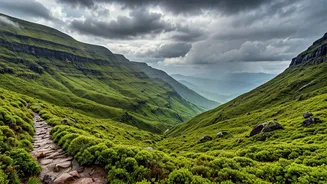
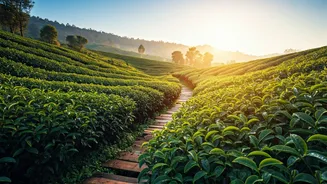
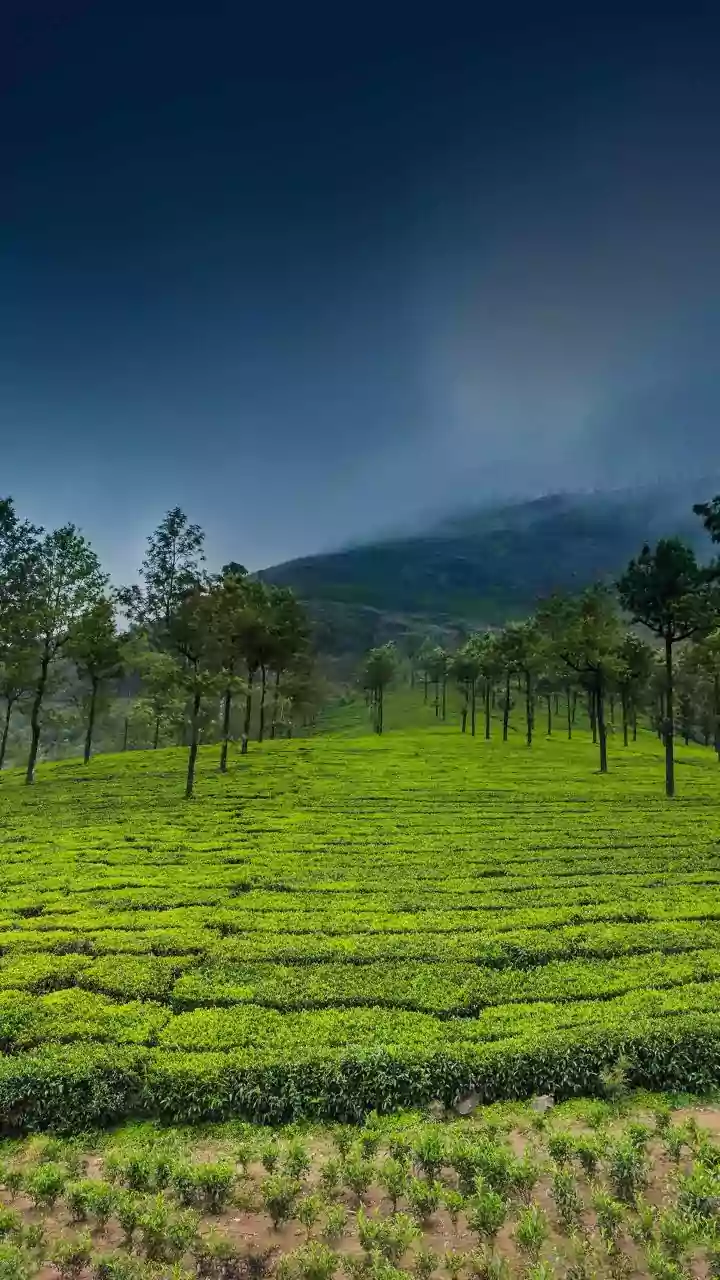
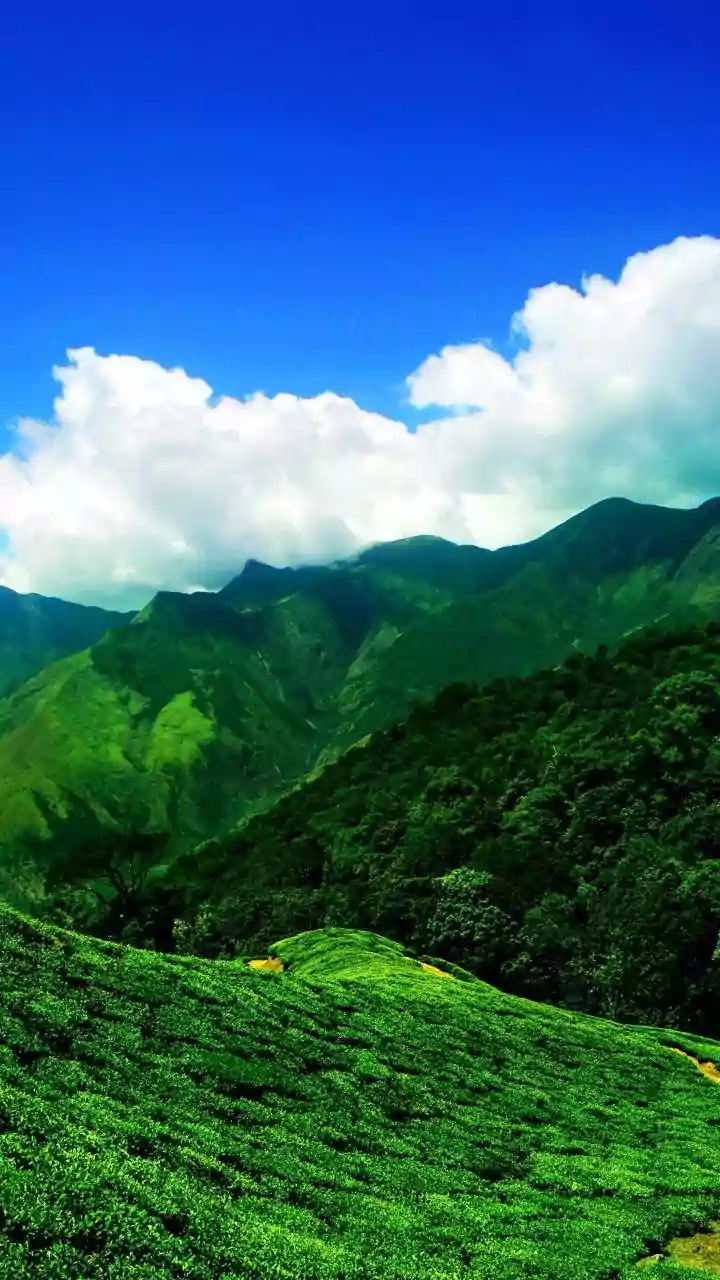
coastline. The real draw is the country's central highlands, a verdant landscape of rolling hills carpeted with tea plantations. Groups of friends and young couples from cities like Mumbai, Bangalore, and Delhi are increasingly booking trips centered not on nightlife, but on nature, wellness, and the art of tea. This marks a significant shift from the traditional family pilgrimages or package tours of the past. Today's traveler is younger, more independent, and seeking experiences over simple sightseeing. They are armed with Instagram, driven by a desire for authenticity, and are willing to trade a crowded bar for the tranquility of a colonial-era plantation bungalow.
The Allure of the Emerald Isle
Sri Lanka has always been a compelling destination for Indian tourists, thanks to its proximity, cultural ties, and historically favorable exchange rate. The flight from southern India is often shorter than a domestic flight across India itself. Recent visa-free policies have only sweetened the deal, making spontaneous trips easier than ever. But the current appeal goes beyond logistics. Sri Lanka’s tea country, with towns like Nuwara Eliya, Ella, and Kandy, offers a dramatic change of scenery and climate. Often referred to as “Little England” for its cool air and colonial architecture, the region provides a refreshing escape from the heat and hustle of Indian metropolises. For young professionals accustomed to high-stress work environments, the promise of waking up to misty mornings, panoramic views, and the quiet rhythm of plantation life is a powerful motivator.
It’s All About the Experience
This trend isn't just about seeing where tea comes from; it's about immersion. The key draw is the “organic” and “experiential” aspect of the tours. Unlike a quick photo-op, these trips are designed to be hands-on and educational. Visitors get to walk through the tea fields alongside the pluckers, learning to identify the prized “two leaves and a bud.” They visit factories to see the withering, rolling, fermenting, and drying processes firsthand, often guided by an expert tea sommelier. Many of the most popular estates are boutique, family-run operations that have embraced sustainable and organic farming practices. This resonates deeply with a generation of consumers who are increasingly conscious of wellness and environmental impact. The experience extends beyond the fields. It includes elaborate tea-tasting sessions, where guests learn to distinguish the subtle notes of different varieties, and even “tea-infused” dining, where the plant is incorporated into meals and cocktails. It transforms a simple beverage into a rich, cultural artifact.
The Wellness and Instagram Wave
Two major cultural forces are fueling this trend: wellness and social media. The serene, green landscapes of Sri Lanka’s tea country are incredibly photogenic. The visual contrast of vibrant green tea bushes against dramatic mountain backdrops, colonial-era architecture, and iconic blue train journeys make for a compelling Instagram feed. For a generation that documents and shares its travel experiences, the aesthetic appeal is undeniable. Furthermore, the journey is framed as a form of self-care. The emphasis on organic products, fresh air, mindful activities like hiking to scenic viewpoints, and the general slower pace of life align perfectly with the global wellness movement. It’s a vacation that promises not just a break, but a reset. It offers a chance to disconnect from digital noise and reconnect with nature—while still getting the perfect shot for the grid. This blend of authentic experience and curated aesthetic is proving to be a winning combination.