



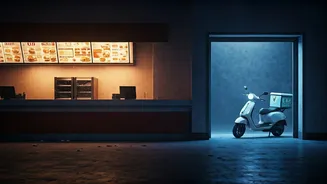


What's Cooking in a Cloud Kitchen?
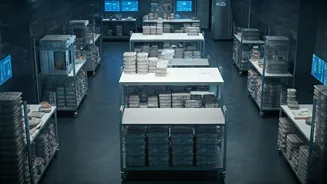
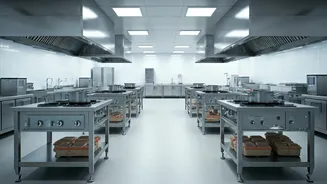
Often called ghost kitchens or virtual restaurants, cloud kitchens are delivery-only food businesses without a physical storefront or dine-in space. [4, 18] By shedding the heavy costs of prime real estate, elaborate interiors, and front-of-house staff,
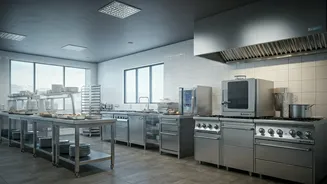
these businesses can launch with significantly less capital. [4, 8, 17] This asset-light model allows them to focus on what matters most for online ordering: food quality, menu innovation, and operational efficiency. [8, 18] The Indian cloud kitchen market was valued at over USD 1.24 billion in 2025 and is projected to grow to nearly USD 3.7 billion by 2034, driven by rising urbanisation, internet penetration, and a permanent shift in consumer habits following the pandemic. [2]
The Titans of Takeaway
At the forefront of this boom are several powerful home-grown companies. Rebel Foods is arguably the world's largest internet restaurant company, operating a suite of popular virtual brands like Faasos, Behrouz Biryani, and Oven Story from over 450 kitchens. [14, 22] Its pioneering multi-brand model, where a single kitchen can produce food for numerous brands, maximizes efficiency and revenue. [5, 24] Following a similar trajectory is Curefoods, which has rapidly expanded by acquiring and scaling brands like EatFit, CakeZone, and Sharief Bhai Biryani. [6, 12] Founded in 2020, Curefoods has become the second-largest player in India, demonstrating aggressive growth through strategic acquisitions and a focus on healthy and diverse food options. [12, 23] Other key players like BOX8, known for its convenient meal boxes, and Biryani by Kilo are also carving out significant market share. [5, 7]
The Recipe for Rapid Growth
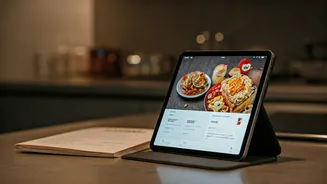
Several factors are fueling this explosive growth. The proliferation of food delivery platforms like Zomato and Swiggy created a ready-made ecosystem for these digital-first brands to thrive. [15, 18] Changing urban lifestyles, with more dual-income households and a high premium on convenience, have solidified the demand for on-demand meals. [10, 17] This trend accelerated dramatically during the COVID-19 pandemic, which permanently altered dining behaviour. [2, 4] Lower operational costs—estimated to be 30-40% less than traditional restaurants—also make the model incredibly scalable. [10] This scalability has attracted strong investor confidence, with companies like Rebel Foods and Curefoods raising hundreds of millions of dollars to fund expansion, technology, and acquisitions. [11, 19, 23]
Boiling Point: The Challenges Ahead
Despite the momentum, the path isn't without its obstacles. The low barrier to entry has created a hyper-competitive market, making it difficult for brands to stand out. [4, 18] Heavy dependence on food aggregator platforms means high commission fees that squeeze already thin profit margins. [4] Building brand loyalty without the direct customer interaction of a physical restaurant is a constant challenge. [18] Furthermore, maintaining consistent food quality and hygiene across a large, distributed network is a major operational hurdle. [8] As the market matures, operators must also contend with rising logistics costs and the relentless need for marketing spend to win customers in a discount-driven environment. [9]
The Future is on the Menu
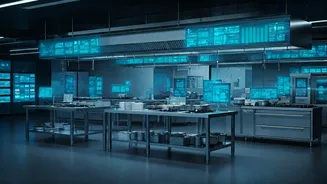
The next phase for Indian cloud kitchens is being defined by technology and strategy. Companies are increasingly using artificial intelligence to predict demand, manage inventory, and reduce food waste. [27, 28] The multi-brand model is becoming the industry standard, allowing operators to cater to diverse tastes from a single, efficient location. [28] There is also a significant push into Tier-2 and Tier-3 cities, which represent a massive, underserved market with accelerating adoption rates. [9, 16] As the market consolidates, the focus is shifting from pure growth to achieving profitability. The brands that succeed will be those that can build strong brand identities, leverage technology for efficiency, and consistently deliver a high-quality experience directly to the consumer's door.