







The Danger of Unverified Lists
The internet is filled with well-intentioned but often inaccurate advice. A plant labeled 'pet-friendly' on a design blog may not have been vetted by a veterinary professional. These lists can be dangerously misleading, as some of the most popular houseplants,
like Sago Palms and various lilies, are extremely toxic and can be fatal if ingested by cats or dogs. The risk isn't worth taking based on an unverified source. Even plants considered non-toxic can cause gastrointestinal upset if a pet eats a large amount of plant material. The term 'pet-friendly' should be seen as a starting point for your own research, not a final guarantee of safety.
Common Names Create Confusion
A significant problem with many online lists is the use of common names, which can be highly unreliable. For example, there are many types of 'lilies'. True lilies (Lilium species) are lethally toxic to cats, causing kidney failure from even minor exposure, like licking pollen off their fur. However, the Peace Lily and Calla Lily, while still toxic and containing irritating calcium oxalate crystals, are not true lilies and do not cause kidney failure. Another example is 'Lucky Bamboo', which is not bamboo at all but a species of Dracaena, a plant toxic to both cats and dogs. True bamboo is non-toxic. This is why relying on a plant's scientific name is crucial for accurate identification and safety verification.
Understanding Levels of Toxicity
Not all 'toxic' plants are created equal. Toxicity exists on a spectrum. Some plants, like Pothos, Philodendron, and Dumb Cane (Dieffenbachia), contain insoluble calcium oxalate crystals. When chewed, these crystals cause immediate, sharp pain in the mouth, drooling, and swelling. While extremely uncomfortable, these reactions are rarely life-threatening because the immediate pain usually stops the pet from ingesting a dangerous amount. Other plants contain toxins that affect entire organ systems. Sago Palms can cause severe liver failure, while lilies can destroy a cat's kidneys. It's important to understand the specific risk a plant poses, and reliable veterinary sources provide this necessary context.
The Gold Standard: Veterinary Sources
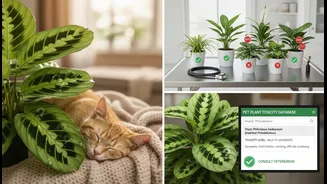
So, where should you turn for accurate information? The two most respected and comprehensive resources are maintained by veterinary professionals: the ASPCA's Toxic and Non-Toxic Plant List and the Pet Poison Helpline. These organizations employ veterinary toxicologists and maintain extensive databases built on scientific evidence and clinical case reports. Their websites are searchable and provide detailed information, including the scientific name, toxic principles, and clinical signs of poisoning for hundreds of plants. While both services may charge a fee for emergency phone consultations, their online plant databases are free to use for research.
A Pet Parent’s Verification Checklist
Before bringing a new plant home, follow these steps to ensure it's safe for your furry family members. First, always get the plant's full scientific name from the tag or seller; do not rely on the common name. Next, cross-reference the scientific name with the ASPCA's online plant database or the Pet Poison Helpline's resources. If the plant is listed as toxic, understand the specific risks involved. Some pet owners may choose to keep plants that cause only mild irritation in a location their pet cannot access, but highly toxic plants like lilies and Sago Palms should be avoided entirely in pet households. Finally, if you're ever unsure, the safest choice is to not bring the plant home. Providing a designated, safe plant for your pet to chew on, such as cat grass, can also help deter them from your decorative plants.