

The Critical Role of Drainage
The single most important factor that separates a decorative pot from a functional planter is drainage. Most plants, especially common houseplants, require their roots to have access to both moisture and oxygen. When you water a plant, any excess needs
a way to escape. Without drainage holes, water pools at the bottom of the pot, creating a waterlogged, oxygen-deprived environment. This is the primary cause of root rot, a fungal disease that can quickly kill a plant. When roots sit in stagnant water, they essentially drown. They become weak, start to decay, and can no longer absorb the nutrients the plant needs to survive. Telltale signs often include yellowing leaves, wilting, and a musty smell from the soil.
Cachepot vs. Planter: A Key Distinction
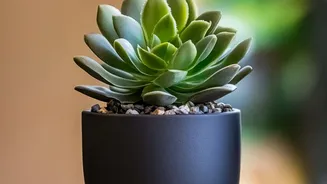
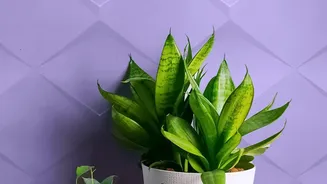
Understanding the terminology can save your plants. A pot with one or more holes at the bottom is a planter; it's designed for a plant to live in directly. A beautiful pot with no holes is called a cachepot, which is French for "to hide a pot." Its job is purely decorative—to conceal the less attractive plastic nursery pot that the plant actually lives in. Most of the stylish ceramic, metal, or fiberglass pots sold in home decor stores are cachepots. They are designed for aesthetics, not horticulture, and using them incorrectly is a frequent mistake for new plant parents.
The 'Pot-in-Pot' Method: Your Best Solution
So how do you use that gorgeous cachepot without sentencing your plant to a soggy demise? The answer is the simple and highly effective 'pot-in-pot' method. Simply keep your plant in its original plastic nursery pot, which already has ample drainage. Then, place the entire nursery pot inside your decorative cachepot. When it's time to water, lift the inner plastic pot out, take it to a sink, and water it thoroughly, allowing all the excess liquid to drain away completely. After a few minutes, you can place it back into the cachepot. This technique gives you the best of both worlds: the beauty of the decorative pot and the essential drainage your plant needs to thrive.
Risky Business: Planting Directly Without Drainage
While it's strongly discouraged, some people still attempt to plant directly into a pot with no holes. One common but misguided technique involves adding a layer of rocks or gravel to the bottom, supposedly to create a drainage layer. However, most horticultural experts warn against this. This method does not create drainage; instead, it creates what is known as a 'perched water table,' raising the waterlogged zone closer to the plant's roots and often making root rot more likely. The only true way to make a cachepot suitable for direct planting is to physically add drainage. If you're handy, you can try drilling holes into the bottom using a special ceramic or diamond-tipped drill bit, but this risks cracking the pot. For most people, the risk and effort are not worth it when the pot-in-pot method is so simple and safe.
What to Look For in a Good Planter
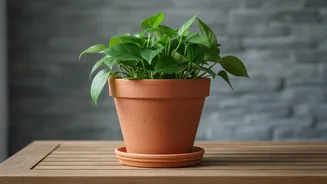
When you are shopping for a pot to plant in directly, always turn it over and look for at least one drainage hole. The material also matters. Unglazed terracotta is porous and allows soil to dry out faster, making it a great choice for succulents, cacti, and other plants that are prone to overwatering. Glazed ceramic and plastic pots retain moisture for longer, which can be beneficial for tropical plants that prefer consistently moist soil. Finally, ensure the pot is the right size—generally just a couple of inches wider in diameter than the plant's current root ball. A pot that's too large can hold excess soil and water, increasing the risk of root problems.