

The Rise of the 'Clean Label' Consumer
For decades, the Indian snack market was driven by taste, price, and convenience. Today, a fourth, powerful driver has emerged: transparency. Consumers are increasingly embracing a 'clean label' philosophy, which prioritises snacks made with recognizable,
natural, and minimal ingredients. This isn't about sacrificing flavour; it's about avoiding artificial preservatives, colours, flavours, and excessive refined sugars and flours. Reports from mid-2026 show a significant portion of Indian shoppers are actively reading labels to avoid hidden additives. This growing cohort of 'label-conscious' consumers is forcing brands to rethink their formulations from the ground up.
Why Simpler is Suddenly Better
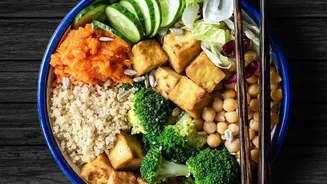
Several factors are fuelling this demand for simplicity. A post-pandemic surge in health awareness has made Indians more proactive about their well-being, with nutrition becoming a mainstream concern. According to a July 2026 report, a staggering 86% of consumers now consider protein content when choosing a snack. Furthermore, rising disposable incomes and greater access to information have empowered urban buyers, especially Millennials and Gen Z, to demand higher quality. There is also a cultural element at play, with a renewed interest in traditional Indian food wisdom. Consumers are seeking out snacks that incorporate familiar, time-tested ingredients that they trust.
Millets and Makhana Take Centre Stage
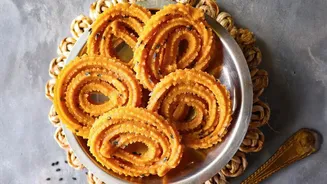
This trend is clearly visible in the types of products gaining popularity. Ancient grains like millets (jowar, ragi, bajra) are making a major comeback. Once considered humble grains, they are now celebrated for being nutrient-dense and gluten-free. The Indian government's promotion of millets has significantly boosted awareness and production, with sales of millet-based packaged foods showing exponential growth. Brands are launching everything from millet-based chips and puffs to traditional snacks like chakli and chivda made with these grains. Similarly, makhana (fox nuts) has been elevated from a simple fast-day food to a mainstream 'guilt-free' snack, with numerous brands offering roasted and flavoured varieties.
How Brands are Responding
The market response has been twofold. On one hand, a new wave of direct-to-consumer (D2C) brands has emerged, building their entire identity around clean labels and healthy ingredients. Companies like Heka Bites, The Whole Truth, and WellBe Foods are capturing a loyal following by offering products free from refined flour, preservatives, and artificial sweeteners. On the other hand, legacy players are not standing still. Major FMCG companies like ITC and even PepsiCo are launching healthier product lines, introducing baked or air-popped versions of popular snacks, and incorporating healthier grains into their portfolios to cater to this evolving consumer demand.
The Future of Snacking in India
The shift towards simpler ingredients is more than a fleeting trend; it represents a fundamental change in consumer values. The Indian healthy snacks market is projected to grow at nearly 10% annually, significantly faster than the global average. This indicates a long-term transition towards more mindful consumption. The future will likely see even greater innovation in this space, with a focus on sustainable sourcing, plant-based proteins, and snacks that offer functional benefits, such as boosting immunity or improving gut health. As transparency becomes a non-negotiable expectation, the brands that succeed will be those that can deliver both on taste and on trust.