






First, What Are the Proposed BS-VII Rules?
In October 2026, the Ministry of Road Transport and Highways (MoRTH) issued a draft notification for the next generation of vehicular emission standards, known as Bharat Stage VII (BS-VII). Unlike the dramatic leap from BS-IV to BS-VI in 2020, the proposed
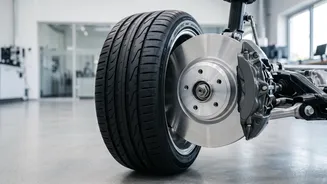
BS-VII norms don't significantly lower the main tailpipe emission limits for pollutants like Nitrogen Oxides (NOx) or Particulate Matter (PM) for passenger cars. Instead, the focus shifts to a more holistic view of pollution. The proposal introduces, for the first time, regulations for non-exhaust emissions, such as particulate matter from brake wear and abrasion from tyres—pollutants that even electric vehicles produce. It also mandates stricter real-world emissions testing and advanced On-Board Monitoring (OBM) systems to ensure vehicles comply with norms not just in a lab, but throughout their operational life. The rollout is planned in phases, starting with passenger cars from April 1, 2029.
The Power of Public Consultation
When a ministry like MoRTH releases a 'draft notification', it is essentially opening the floor for a national conversation. This public consultation phase is a mandatory part of the policy-making process in India, typically lasting 30 to 60 days. During this window, anyone—from individual citizens and consumer rights groups to environmental experts and giant auto conglomerates—can submit their feedback, suggestions, and objections to the proposed rules. This process ensures that law-making is not a top-down exercise. It provides a platform for diverse stakeholders to highlight potential challenges, suggest improvements, and point out unintended consequences that officials may have overlooked. The government is obligated to consider this feedback before finalising and officially notifying the rules in the Gazette of India.
What Will Automakers Say?
For the automotive industry, new regulations mean significant investment in research, development, and retooling of manufacturing plants. While the jump to BS-VI cost the industry thousands of crores, the proposed BS-VII norms present a different challenge. Automakers have already expressed concerns that the proposed timelines, particularly for new testing and monitoring requirements, could disrupt product launch cycles and divert crucial engineering resources away from the development of electric vehicles (EVs). They will likely use the consultation period to argue for more extended, pragmatic timelines. Manufacturers may also seek more clarity on the specifics of testing protocols for brake and tyre wear, which are new areas of regulation, to better understand the technological changes and costs involved.
The Push from Environmental and Health Advocates
On the other side of the table, environmental groups and public health experts will see the consultation as an opportunity to push for even stricter standards. While they will welcome the inclusion of non-exhaust emissions, they might argue that the timeline for implementation is too long, delaying the positive impact on India's air quality. They may also lobby for the government to stick to its strict real-driving emissions (RDE) targets, which would ensure that the claimed low emissions in labs are actually delivered on congested city roads. This is a critical point, as the new rules propose a conformity factor of 1.0, meaning real-world emissions cannot exceed lab limits, a significant tightening from BS-VI rules. Their submissions will be backed by data on air pollution-related health crises, urging the government to prioritise public health over industry convenience.
What This Means for the Car Buyer
Ultimately, the cost of any technological upgrade is passed on to the consumer. The transition to BS-VI norms saw vehicle prices rise, especially for diesel models, which required expensive new hardware like Diesel Particulate Filters (DPF). While the BS-VII shift might not be as drastic in terms of engine changes, the addition of advanced onboard monitoring systems, more sophisticated sensors, and potentially new materials for brakes and tyres will inevitably increase manufacturing costs. This could lead to a moderate hike in the prices of new vehicles post-2029. However, the consultation process could influence the final sticker price. If automakers successfully argue for a more staggered implementation, the price impact might be more gradual. Furthermore, the introduction of an 'Environmental Vehicle Passport' will empower buyers with clearer data on emissions and fuel efficiency.