









Decoding Our Genetic Past
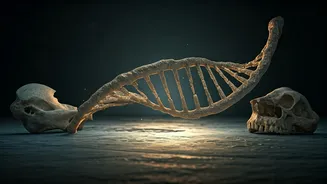
Scientists are now able to extract and analyse DNA from bones and teeth that are thousands of years old, creating a genetic timeline of human history. This isn't just an academic exercise; it's revealing why certain populations today are more susceptible
to specific diseases. For example, recent large-scale studies of ancient DNA have shed light on the genetic origins of conditions like multiple sclerosis (MS). Research suggests that gene variants which increased the risk for MS may have originally been beneficial, protecting our farming ancestors from pathogens found in their sheep and cattle. This work shows how our bodies are shaped by thousands of years of evolution, battling diseases that may have had ancient roots. By understanding these genetic legacies, we gain a deeper perspective on modern health risks and why our bodies react the way they do.
The Prehistoric Plate, Re-examined
The "Paleo diet" has been a buzzword for years, built on the idea of eating like our Stone Age ancestors. While the modern version is often a simplified take, the core principle of focusing on whole, unprocessed foods finds support in archaeology. However, science also shows that the diet of early humans was incredibly varied depending on geography and climate, and not a single, universal menu. Researchers have found evidence that some prehistoric diets included wild grains, starchy tubers, and seeds, challenging the strict 'no grains' rule of many modern Paleo plans. The real takeaway from our ancestors isn't a rigid list of approved foods, but rather the emphasis on dietary diversity and the absence of ultra-processed products, which is a significant factor in many chronic modern illnesses.
Our Ancestors’ Inner World
One of the most fascinating new frontiers is the study of ancient gut microbiomes. By analysing palaeofaeces—desiccated human excrement preserved for thousands of years in dry caves—scientists are discovering what lived in our ancestors' digestive systems. The findings are striking: ancient guts were far more diverse than ours today. They contained a wider variety of bacteria, including species that are virtually absent in people living in industrialised societies. Researchers believe this loss of diversity is linked to modern diets, which lack the rich variety of nutrients that support a more eclectic collection of microbes. This ancient data provides a crucial baseline, helping scientists understand how changes in our microbiome might be contributing to the rise of autoimmune disorders, diabetes, and other chronic diseases.
Traditional Wisdom, Modern Validation
Beyond genetics and diet, modern science is also taking a serious look at traditional and ancient medical systems, particularly those with deep roots in India like Ayurveda. Practices and remedies once passed down through generations are now being analysed in labs. For instance, herbs like turmeric and ashwagandha, staples in Ayurvedic medicine, are being studied for their powerful anti-inflammatory, antioxidant, and stress-reducing properties. This isn't about replacing modern medicine, but complementing it. The scientific validation of these ancient practices—from meditation's effect on the brain to the gut-health benefits of remedies like triphala—shows that there is a wealth of time-tested knowledge that can be integrated into our contemporary approach to wellness.