






A Return to Health-Conscious Roots
One of the primary drivers of this resurgence is a growing focus on health and wellness. [10] Unlike many modern non-stick pans that can release chemicals at high temperatures, pure clay pots are 100% natural and non-toxic. [8, 16] Their alkaline nature
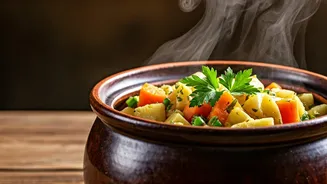
helps to neutralize the pH of acidic foods, such as those with a tomato base, which can make meals easier to digest and potentially healthier. [2, 7, 10] Furthermore, cooking in clay pots often requires less oil. The slow, even cooking process retains the natural moisture in food, preventing the need for excess fats and contributing to heart-healthy meals. [3, 6, 12]
The Science of Superior Flavour
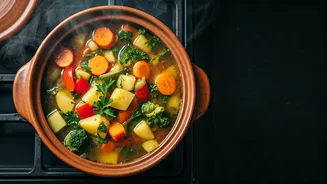
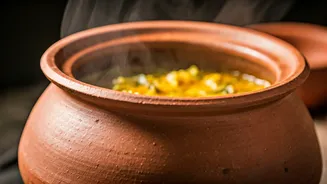
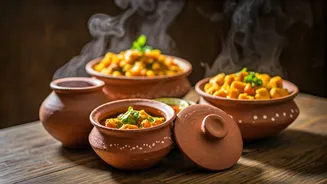
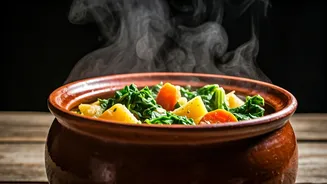
Ask anyone who uses them, and they'll tell you food just tastes better when cooked in a 'handi'. This isn't just nostalgia; it's science. Clay is porous, allowing heat and moisture to circulate evenly throughout the pot. [3, 5] This slow cooking process is gentle, preserving the delicate nutrients, vitamins, and minerals that can be destroyed by the harsh, direct heat of metal pans. [5, 13] The result is food that is more tender, juicy, and aromatic. [3, 6] The clay itself imparts a subtle, earthy flavour that is impossible to replicate, enhancing dishes like biryani, curries, and even something as simple as setting curd, which becomes thicker and creamier. [10, 23]
An Eco-Friendly Kitchen Staple
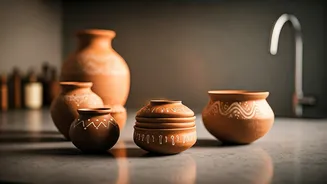
As more consumers seek sustainable lifestyle choices, earthen pots present an eco-friendly alternative to mass-produced cookware. Sourced directly from the earth, clay is a natural and renewable material. [4, 8] The production process is often less energy-intensive compared to metal manufacturing. [19] When an earthen pot reaches the end of its long life, it is biodegradable, returning to the soil without leaving behind harmful waste, unlike plastic or coated metal pans that can pollute landfills. [7, 12, 16] This aligns perfectly with a growing desire to reduce our environmental footprint, starting right in our own kitchens. [5]
From Village Artisan to Urban Doorstep
This comeback isn't just happening in rural villages; it's a significant trend in urban centres. The accessibility of traditional cookware has exploded, thanks to online stores and boutique brands that champion artisanal products. [21, 23] What was once a product you could only buy from a local potter can now be delivered to a city apartment. Some modern designs have even been adapted for convenience, such as water pots fitted with taps. [22] This fusion of traditional craftsmanship with modern retail has made it easier than ever for urban Indians to reconnect with their culinary heritage and embrace a slower, more mindful way of cooking. [21]