


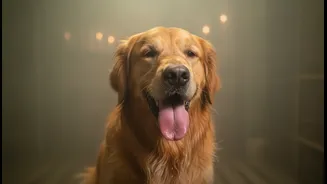


Why Humidity is the Silent Threat
We often focus on the temperature, but humidity is a critical, and often underestimated, factor in pet safety. Unlike humans who sweat from all over their bodies, dogs and cats have very limited ways to cool themselves. Dogs rely primarily on panting
to exchange warm body air for cooler external air. Cats may groom themselves more, as the evaporating saliva provides a cooling effect. High humidity saturates the air with moisture, severely reducing the effectiveness of this evaporation process. This means that even at a seemingly mild temperature, a humid environment can prevent your pet from cooling down, causing their body temperature to rise to dangerous levels. This condition, known as heatstroke, can lead to severe organ damage and can be fatal.
Recognising the Subtle Signs of Overheating
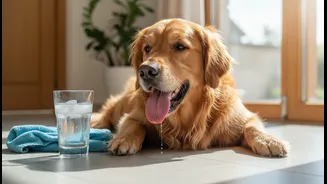
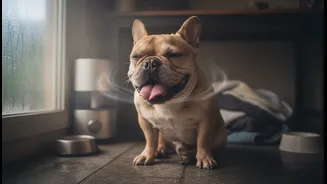
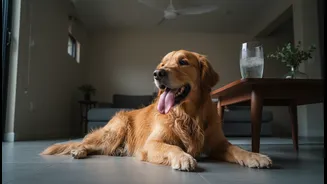
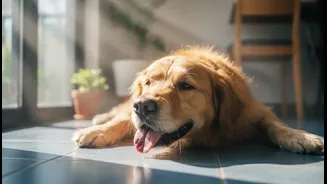
The initial signs of overheating can be subtle and easily missed. It’s not always the dramatic collapse you might imagine. Early warnings include excessive or heavy panting even when at rest, restlessness, and seeking out cool spots to lie down. You might also notice your pet drooling more than usual. As the situation worsens, their gums may turn a bright or dark red. They might become lethargic, weak, or seem disoriented and clumsy. In cats, who are masters at hiding discomfort, open-mouth panting is a significant red flag. More severe symptoms that require immediate emergency action include vomiting, diarrhea (which may be bloody), collapse, or seizures.
Which Pets Are Most at Risk?
While any pet can suffer from heatstroke, certain animals are far more vulnerable. Brachycephalic, or flat-faced, breeds are at the top of the list. Dogs like Pugs, Bulldogs, and Boxers, and cats like Persians and Himalayans, have shortened airways that make it difficult for them to pant effectively. Senior pets, very young puppies and kittens, and overweight animals also struggle to regulate their body temperature. Pets with thick or dark coats, and those with underlying heart or respiratory conditions, are also at an increased risk and should be monitored closely in warm, humid weather.
Simple Steps for a Safer Home
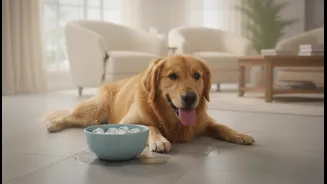
Preventing indoor overheating is about managing your pet's environment proactively. If you have air conditioning, use it to keep the temperature and humidity at a comfortable level. Fans can also help circulate air, but they are less effective for pets than for humans, so they shouldn't be the only solution. Ensure your pet always has access to multiple sources of fresh, cool water; adding ice cubes can help. Encourage them to rest on cool surfaces like tile or hardwood floors, or invest in a cooling mat. Close curtains during the day to block direct sunlight. Finally, avoid strenuous indoor play during the hottest and most humid parts of the day; opt for calm activities instead.
Emergency First Aid: What to Do
If you suspect your pet is suffering from heatstroke, you must act immediately as it is a life-threatening emergency. The primary goal is to cool your pet down safely. Move them to a cool, well-ventilated area right away. Apply cool—not ice-cold—water to their body. Soaking towels in cool water and placing them on their neck, belly, and paws can also help. Using ice or freezing water can be dangerous, as it can cause blood vessels to constrict, trapping heat and potentially leading to shock. While you are performing these cooling measures, have someone call your veterinarian immediately. Even if your pet seems to recover, they need to be checked by a professional, as some of the most severe complications of heatstroke may not be immediately apparent.