









What Exactly Are Microplastics?
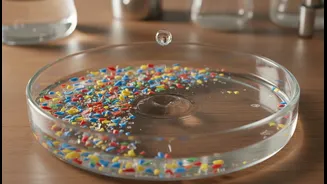
Microplastics are tiny plastic particles less than five millimetres long. They come from two main sources. Primary microplastics are those intentionally manufactured to be small, like the microbeads once common in personal care products. Secondary microplastics are the result
of larger plastic items—like bottles, bags, and packaging—breaking down over time from exposure to sun and water. Because plastic doesn't biodegrade, it just breaks apart into smaller and smaller pieces, eventually becoming a persistent environmental contaminant.
How Do They Get Into Our Food?
Microplastics contaminate our food through a variety of pathways. A primary route is through environmental pollution. Oceans, rivers, and soil are now laden with these particles. As a result, they are ingested by fish and shellfish, which we then eat. They also contaminate agricultural soil through practices like using plastic mulch or irrigating with contaminated water, allowing them to be absorbed by fruits and vegetables. Additionally, plastic packaging and processing equipment can shed particles directly into food, a process that can be accelerated by heat. Simply opening a plastic bottle cap can release hundreds of tiny particles.
Which Foods Are Most Affected?
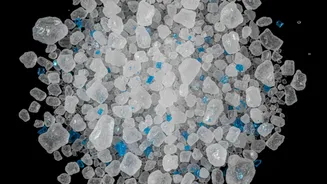
Research has found microplastics in a wide array of common foods. Seafood, especially filter-feeding shellfish like mussels and oysters, is a well-documented source. Sea salt is another, due to its extraction from ocean water. Perhaps surprisingly, bottled water has been identified as one of the most significant sources of microplastic ingestion. Beyond that, studies have detected them in honey (likely from airborne particles), beer, rice, wheat, and even meat and dairy products, where particles have been found in livestock.
The Big Question: Are They Harmful?
This is the critical question, and the science is still evolving. The short answer is: we don't know for sure, but there are growing concerns. Studies in human cells and animals suggest potential links to inflammation, altered immune responses, and metabolic issues. Recent research has confirmed that microplastics can enter and accumulate in human tissues, including the blood, lungs, and even the placenta. Some studies have found associations between higher levels of microplastics in the body and conditions like inflammatory bowel disease. A major worry is that these particles can act like tiny sponges, absorbing other toxic chemicals like heavy metals and pollutants and carrying them into our bodies. However, researchers caution that direct evidence of harm in humans is still limited, and much more study is needed to understand the long-term health consequences of our unavoidable exposure.
How Can You Reduce Your Exposure?
While completely avoiding microplastics is likely impossible, you can take practical steps to lower your intake. One of the most effective changes is to reduce your use of plastic in the kitchen, especially with heat. Avoid microwaving food in plastic containers or using plastic wrap that touches food during heating. Opt for glass, ceramic, or stainless steel for food storage and reheating instead. Reducing consumption of bottled water by choosing filtered tap water in a reusable glass or steel bottle is another major step. Other tips include using wooden or metal kitchen utensils instead of plastic ones, avoiding non-stick cookware that is scratched, and limiting single-use plastics like straws and cutlery.