







The Real Science of Making Gains
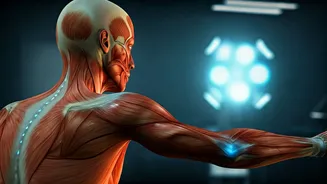
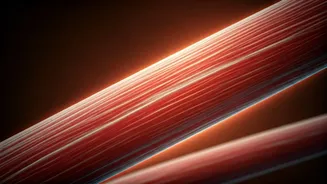
It might seem counterintuitive, but muscle growth doesn't actually happen while you're lifting weights or running. Intense exercise creates microscopic tears in your muscle fibres. [7, 10, 34] This isn't a bad thing; it's the necessary stimulus for change.
The actual growth and strengthening occur during the recovery period afterwards. [22, 31, 34] When you rest, your body gets to work repairing these tiny tears, fusing muscle fibres together to form new, stronger tissue. [7, 27] This process, known as muscle protein synthesis, is what leads to increased muscle mass and strength over time. [12] Without adequate recovery, you're not just stalling your progress; you're risking injury as the damage accumulates. [10, 20]
Sleep: The Ultimate Performance Enhancer
If there's one non-negotiable pillar of recovery, it's sleep. It is often called the most effective and crucial recovery tool available. [7, 21, 32] During the deep stages of sleep, your body releases a significant amount of human growth hormone (hGH), which is essential for repairing and rebuilding muscle tissue. [1, 6, 8, 12] Quality sleep also helps regulate hormones like cortisol, the body's primary stress hormone. [8, 14] Chronically elevated cortisol from lack of sleep can actively hinder muscle growth and promote fat storage. [8, 14] Aiming for a consistent 7 to 9 hours of quality sleep per night ensures your body has the prime opportunity to repair itself, reduce inflammation, and prepare you for your next workout. [5, 7, 11]
Fueling the Repair Process
What you eat after a workout is just as important as the workout itself. Nutrition provides the essential building blocks your body needs for repair and replenishment. [4, 13] The two key macronutrients for recovery are protein and carbohydrates. Protein, made up of amino acids, is crucial for repairing those micro-tears in your muscles. [9, 25] Experts recommend consuming 20-40 grams of high-quality protein after a workout to maximize muscle protein synthesis. [4, 9] Carbohydrates are vital for refuelling your muscles' primary energy source, glycogen, which gets depleted during exercise. [2, 19, 25] Replenishing these stores ensures you have the energy for your next session. [2, 27] And don't forget hydration; replacing fluids and electrolytes lost through sweat is critical for all metabolic functions, including recovery. [11, 19]
Embrace Active Recovery
Recovery doesn't always mean complete inactivity, which is known as passive recovery. [15] Active recovery—performing low-intensity exercise like walking, gentle yoga, or swimming—can be more beneficial for reducing muscle soreness. [13, 15] This light movement increases blood circulation, which helps flush out metabolic waste products from the muscles and deliver fresh, nutrient-rich blood to aid the repair process. [24, 31] While passive recovery, or total rest, is necessary when you're injured or completely exhausted, incorporating active recovery days can help reduce stiffness, keep muscles flexible, and make you feel more prepared for your next high-intensity session. [15, 17]
The Rise of Recovery Tech
Technology is also revolutionizing the way we approach recovery. Tools that were once reserved for professional athletes are now widely available. [29] Percussive therapy devices, like massage guns, provide deep tissue massage to reduce muscle tension and increase blood flow. [26] Pneumatic compression boots use air pressure to massage limbs, which can help enhance circulation and reduce soreness. [26] Even wearable technology has evolved beyond step counting to monitor metrics like heart rate variability (HRV) and sleep quality, giving you data-driven insights into your body's readiness to train. [35] Other technologies like electrical muscle stimulation (EMS), cryotherapy, and infrared light therapy are also gaining popularity for their potential to accelerate healing and reduce inflammation. [26, 29, 30]