





The Science of Feeling Full
The secret to fibre’s power lies in a simple function: it slows things down. When you eat fibre-rich foods, they take longer to digest. Specifically, soluble fibre—found in oats, beans, apples, and carrots—dissolves in water to form a gel-like substance
in your stomach. This gel slows down the absorption of sugar into the bloodstream, which helps prevent the sharp energy spikes and crashes that can leave you reaching for unhealthy snacks. Because the food stays in your stomach for longer, you feel full and satisfied for a greater period. This feeling of satiety is key to making healthy eating feel practical; when you aren't constantly battling hunger, you're less likely to overeat or make impulsive food choices.
More Than Just Digestion
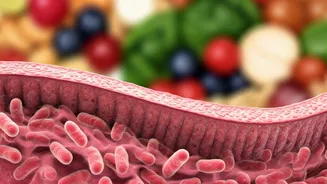
While fibre is famous for promoting digestive regularity, its benefits extend far beyond that. A high-fibre diet is linked to a lower risk of chronic conditions like heart disease, type 2 diabetes, and certain cancers. By helping to control blood sugar, fibre plays a crucial role in managing diabetes and pre-diabetes. Some fibres also help lower 'bad' LDL cholesterol levels. Furthermore, fibre acts as a prebiotic, feeding the good bacteria in your gut. A healthy gut microbiome is increasingly linked to everything from a stronger immune system to improved mental well-being and effective weight management. In essence, fibre doesn't just fill you up; it builds a foundation for sustained energy and overall health.
Finding Fibre in the Indian Kitchen
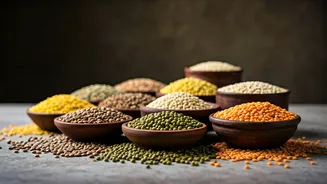
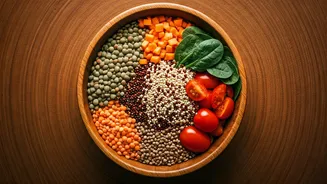
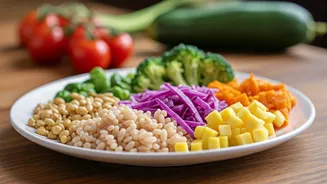
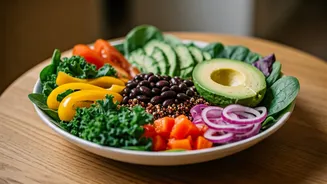
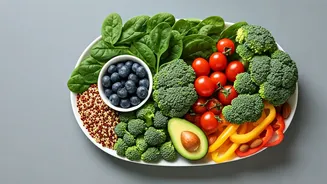
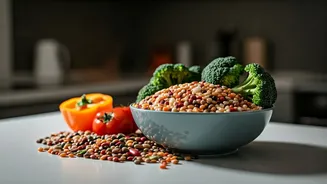
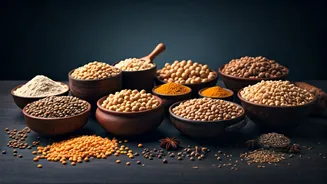
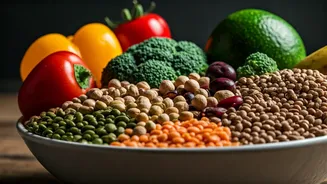
The good news is that Indian cuisine is naturally rich in fibre. You don’t need to look for exotic or expensive ingredients. Whole grains like jowar, bajra, ragi, and whole wheat are staples and excellent fibre sources. Lentils and legumes, the heart of countless dal, sambar, chole, and rajma dishes, are packed with both fibre and protein. Common vegetables such as peas, carrots, sweet potatoes, and greens like spinach contribute significantly to daily fibre intake. Even simple meals like vegetable poha, upma made with dalia, or a classic moong dal khichdi are fantastic ways to get a fibre boost. Focusing on these traditional foods is an affordable and accessible way to make your diet healthier without a complete overhaul.
The New Wave of Convenience
Recognising the needs of modern, busy lifestyles, the Indian food market is embracing fibre in new and convenient forms. The market for high-fibre foods in India is growing steadily as consumers become more aware of gut health and functional nutrition. This trend is making it easier than ever to make healthy choices on the go. Supermarket shelves now feature millet-based products like ragi crackers and jowar puffs, high-fibre breakfast cereals, and atta fortified with extra bran. You can find snack bars combining protein and fibre, and even ready-to-eat meals that prioritise whole grains and legumes. These products bridge the gap between wanting to eat healthy and having the time to prepare meals from scratch, making fibre a practical ally in our daily lives.