







Beyond the Buffer Time Mindset
Simply adding 30 or 60 minutes to your travel time is a gamble, not a plan. Monsoon rains are unpredictable; a drizzle can become a deluge in minutes, bringing traffic to a standstill and flooding arterial roads. This approach overlooks the core issues:
crumbling urban infrastructure, overwhelmed drainage systems, and the sheer volume of traffic navigating treacherous conditions. Waterlogging in major cities like Mumbai, Delhi, and Bengaluru is an annual crisis, turning roads into rivers and making commutes a test of endurance and luck. The stress isn't just about being late; it's about navigating the chaos, risking vehicle damage, and ensuring personal safety in hazardous environments.
Fortify Your Vehicle, Fortify Your Journey
Your vehicle is your first line of defense. Before the season's first downpour, a thorough check is non-negotiable. Your tyres are the single most critical safety component. Ensure they have a tread depth of at least 3mm for a safe grip on slick roads and check the tyre pressure weekly. Brakes are just as vital; worn brake pads significantly increase stopping distance on wet surfaces. Replace old or streaky wiper blades for clear visibility, which is priceless during a heavy shower. Also, ensure all your lights—headlights, taillights, and indicators—are fully functional. Using headlights in the rain, even during the day, helps other drivers see you. Finally, consider an anti-rust undercoating to protect your car's underbelly from the corrosive effects of muddy, stagnant water.
Navigating the Public Transport Gauntlet
For millions, public transport is the only option. However, monsoon rains often cripple these services. Suburban train tracks get submerged, leading to massive delays, while bus routes are diverted or cancelled due to waterlogged roads. Metro systems, though often more reliable, become intensely overcrowded as people abandon road transport. To cope, plan ahead by checking for service alerts on transit apps before you leave. Stand well away from the curb at bus stops to avoid being splashed by passing vehicles. Inside buses or trains, keep wet umbrellas and bags under your seat to keep aisles clear and prevent others from slipping. Most importantly, be patient; every commuter is facing the same challenge.
Your Personal Safety is Paramount
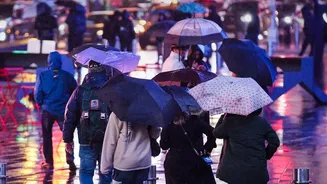
The dangers of a monsoon commute extend beyond traffic. Waterlogged streets hide open manholes and potholes, turning a simple walk into a risky endeavour. Stagnant water is often contaminated with sewage and becomes a breeding ground for diseases like dengue, malaria, and leptospirosis. There is also the grave risk of electrocution from submerged electrical boxes or fallen wires. To stay safe, choose footwear with a strong grip to avoid slipping on wet platforms and pavements. Wear bright or reflective clothing to make yourself more visible to drivers, especially in low light. Never attempt to walk or drive through water if you cannot judge its depth.
A Case for Systemic Change and Flexibility
Ultimately, individual preparedness can only go so far. The annual breakdown of our cities during the monsoon highlights a need for long-term solutions, including better urban planning and drainage infrastructure. In the immediate term, however, a shift in work culture could provide the most significant relief. Companies that embrace flexible hours or a 'work-from-home' policy during severe weather can protect their employees' safety and well-being. During past flooding events in cities like Bengaluru, many IT firms successfully invoked work-from-home plans to ensure business continuity without forcing employees to undertake dangerous commutes. This flexibility isn't just a perk; it's a practical response to a recurring urban crisis.