




The Refined Grain Rollercoaster
Let's talk about refined grains. This category includes popular staples like white rice, maida (refined wheat flour), and most commercially available breads and pastas. During processing, the grain's outer layers—the bran and germ—are stripped away. This gives
them a softer texture and longer shelf life but removes most of the dietary fibre, vitamins, and minerals. When you eat these grains, your body digests them very quickly, converting the carbohydrates into glucose almost instantly. This causes a rapid spike in blood sugar, giving you a quick burst of energy. The problem? What goes up must come down. Your body releases a surge of insulin to manage the sugar spike, which soon leads to a sharp drop, leaving you feeling tired, hungry, and often craving more simple carbs.
Millets: A Return to Ancient Wisdom
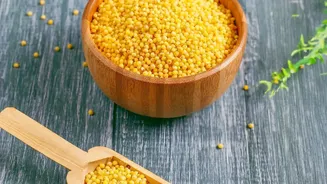
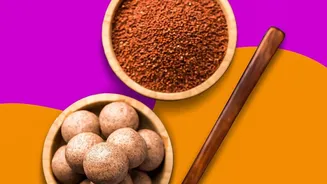
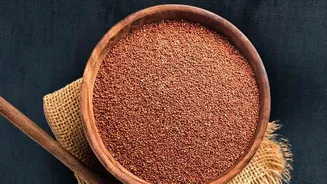
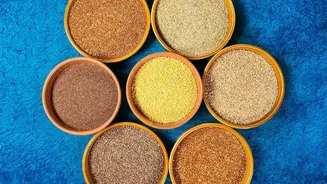
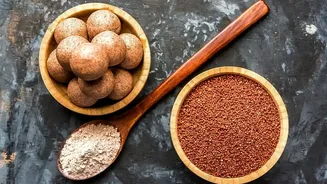
Now, let’s turn to millets—ancient grains that have been a cornerstone of Indian diets for centuries. Varieties like Ragi (finger millet), Jowar (sorghum), and Bajra (pearl millet) are making a powerful comeback. Unlike refined grains, millets are whole grains, meaning they retain all their natural parts: the bran, germ, and endosperm. This structural difference is the key to their ability to provide lasting energy. They are packed with the nutrients that are processed out of refined grains, including fibre, protein, and essential minerals like iron and magnesium.
The Science of Slow-Release Energy
So, how do millets prevent the energy crash? The secret lies in their high fibre content and complex carbohydrate structure. Think of it like the difference between burning a piece of paper and a dense log of wood. Refined grains are like paper, igniting quickly and burning out fast. Millets, on the other hand, are like the log. Their carbohydrates are wrapped in a matrix of fibre, which acts as a protective shield. This means your digestive enzymes have to work harder and longer to break down the starches into glucose. As a result, glucose is released into your bloodstream slowly and steadily, providing a consistent supply of fuel over several hours. This gradual release is measured by the Glycemic Index (GI), and millets have a significantly lower GI than refined grains like white rice and wheat flour.
More Than Just Energy
The benefits of choosing millets don't stop at stable energy. Their high fibre content keeps you feeling full for longer, which can help with weight management by reducing the urge to snack between meals. This fibre also supports healthy digestion and nourishes your gut microbiome. Furthermore, millets are a nutritional powerhouse, offering more minerals like calcium, iron, and magnesium compared to their refined counterparts. For example, Ragi is famously rich in calcium, supporting bone health, while Bajra is a great source of iron, which is essential for maintaining energy levels. As naturally gluten-free grains, they are also an excellent choice for those with gluten sensitivities.
Making the Switch Simple
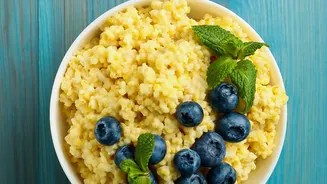
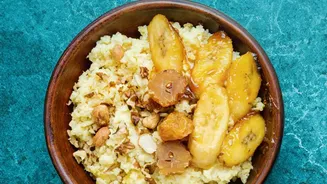
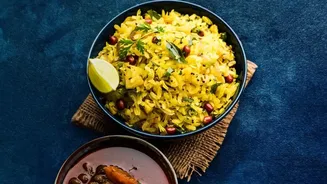
Incorporating millets into your diet doesn't require a complete overhaul. You can start with small, simple swaps. Try replacing one of your wheat rotis with a Jowar or Bajra roti. Instead of a white rice-based breakfast, consider a millet porridge or upma. You can even experiment with adding cooked millets to salads or making a traditional khichdi with barnyard millet. Many modern brands now offer millet-based versions of popular snacks, from cookies to dosas, making it easier than ever to enjoy their benefits without sacrificing convenience or taste.