




The Gujarati Garba Glow
When you think of Navratri, the vibrant energy of Gujarat’s Garba nights often comes to mind, and this year, its signature style is entering urban living rooms. The focus is on textiles and traditional crafts. Think cushion covers with intricate mirror
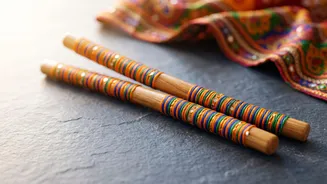
work, colourful bandhani drapes used as backdrops, and hand-painted terracotta pots. A key element is the 'Garbo,' a beautifully decorated earthen pot with a diya inside, which symbolises divine energy. In city apartments, where space is a premium, people are creating focal points with these items. A corner of the living room might feature a cluster of decorated dandiya sticks, a wall adorned with a Kutchi Lippan art piece, or a traditional embroidered 'toran' greeting guests at the door, instantly invoking the festive spirit of Gujarat.
Bengal's Timeless Pujo Aesthetic
While Sharad Navratri is celebrated across India, in West Bengal, it coincides with Durga Puja, a festival with its own powerful visual identity that is now influencing urban decor nationwide. The quintessential Bengali theme revolves around a palette of red and white, which can be seen in everything from handloom textiles used as table runners to the 'alpona'—intricate motifs painted with rice flour paste on floors. Urban homes are adopting this look with subtle touches. A plain wall can be transformed with a red-bordered white saree used as a backdrop for the puja corner. Brass lamps, the fragrance of shiuli flowers, and the warm glow of earthen diyas create an atmosphere of serene devotion. Small terracotta figurines, reminiscent of those found in Bengali villages, are also becoming popular accent pieces on shelves and side tables.
Southern Subtlety and the Golu Display
In South India, particularly Tamil Nadu, Karnataka, and Andhra Pradesh, Navratri is synonymous with 'Golu' or 'Bommai Kolu'—an elaborate tiered display of dolls depicting mythological stories and scenes from daily life. This tradition is finding a new, modern expression in urban homes. Instead of large, elaborate steps, many are opting for smaller, creative displays on floating shelves, bookcases, or even side tables. The focus is shifting towards themed arrangements and DIY creativity, with families using everything from repurposed wooden crates to fabric-covered boxes to create their Golu steps. These displays often become educational and interactive, telling stories to younger generations. A Kalash (a sacred pot) remains a central element, but the overall display is adapted to fit modern aesthetics and smaller living spaces, proving that tradition can be both grand and compact.
How to Weave These Traditions at Home
Embracing this trend doesn’t require a complete home makeover. The key is to blend these regional elements thoughtfully into your existing decor. Start by choosing one region as your primary inspiration or mix elements for an eclectic look. For instance, pair a Bengali-style 'alpona' at your entrance with Gujarati mirror-work cushions in your living room. Supporting local artisans is a huge part of this trend, with many people sourcing handmade decor from online platforms and craft fairs. For lighting, move beyond generic fairy lights and opt for the warm, layered glow of brass lamps and hand-painted clay diyas. The goal is to create zones: a dedicated puja corner, a welcoming entrance, and a comfortable living area that feels festive and authentic. By focusing on textiles, handmade crafts, and meaningful symbols, you can transform your home into a personal celebration of India's diverse cultural heritage this Navratri.