




From Kitchen Scrap to Superfood
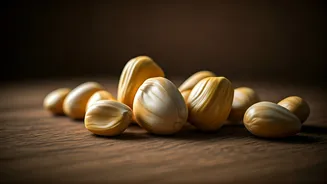
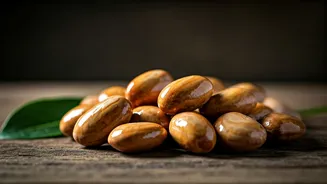
In kitchens across India, a quiet revolution is happening, one that looks back to traditional wisdom to solve a modern problem: food waste. Jackfruit seeds, often discarded after the fruit is eaten, are at the centre of this conversation. For generations,
our grandparents knew how to use every part of this versatile fruit, and now, a new generation is rediscovering their value. Driven by a desire for sustainable living and zero-waste cooking, home cooks and chefs are transforming these seeds from a forgotten byproduct into a celebrated ingredient. They represent a delicious and practical way to make the most of our food, proving that sometimes the most valuable ingredients are the ones we've been overlooking all along.
A Quiet Nutritional Powerhouse
Don't let their humble appearance fool you; jackfruit seeds are packed with impressive nutrients. They are a notable source of plant-based protein and dietary fibre, which aids digestion and helps you feel full longer. The seeds also contain resistant starch, a type of carbohydrate that can help in managing blood sugar levels. Furthermore, they are rich in essential B vitamins like thiamine and riboflavin, which help the body convert food into energy. They also provide important minerals such as magnesium, potassium, and iron, contributing to everything from bone health to preventing anaemia. With a wealth of antioxidants to boot, these seeds offer a significant nutritional boost from something that would otherwise go to waste.
The Golden Rule: Never Eat Them Raw
This is the most crucial piece of advice: jackfruit seeds must always be cooked before consumption. When raw, they contain compounds known as antinutrients, such as tannins and trypsin inhibitors. These substances can interfere with your body's ability to absorb essential nutrients and may cause digestive issues. The good news is that heat completely deactivates these compounds, making the seeds safe and nutritious to eat. So whether you choose to boil or roast them, this step is non-negotiable. Additionally, individuals taking medications that increase the risk of bleeding, like blood thinners or certain anti-inflammatory drugs, should be cautious, as jackfruit seeds may affect blood clotting.
Simple Ways to Prepare Your Seeds
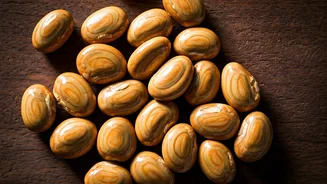
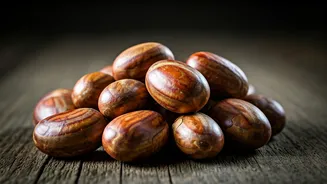
Preparing jackfruit seeds is surprisingly simple. After separating them from the fruit, give them a good wash. The two most popular methods for cooking are boiling and roasting. To boil, place the seeds in a pot, cover them with water, and let them simmer for 20-30 minutes, or until they are tender enough to be pierced with a fork. Once cooked, let them cool and peel off the thin white outer skin. For roasting, preheat your oven to around 200°C (400°F), spread the seeds on a baking sheet, and roast for about 20 minutes until they are toasted and fragrant. The texture of the cooked seed is often compared to a potato or a chestnut—starchy, satisfying, and mildly nutty.
Ideas for the Indian Kitchen
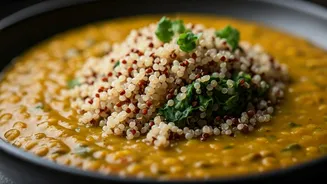
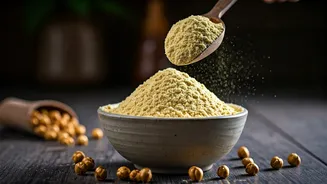
Once cooked, jackfruit seeds are incredibly versatile. The simplest way to enjoy them is as a snack, lightly salted, much like roasted chestnuts. In many South Indian homes, they are a star ingredient in dishes like 'Palakottai Poriyal' or 'Varuval', a simple stir-fry with onions, curry leaves, and spices like sambar powder. They add a wonderful, hearty texture to curries and kurmas, absorbing the flavours of the gravy beautifully. You can also slice or chop the boiled seeds and add them to salads for extra substance and a nutty bite. For a more modern twist, some people grind the dried, cooked seeds into a flour, which can be added to dough for chapatis or baked goods to boost their protein and fibre content.