



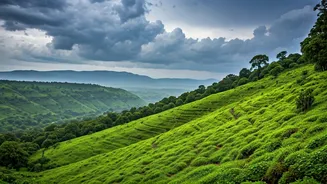


The Monsoon Transformation
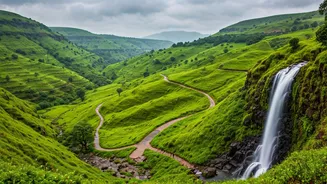
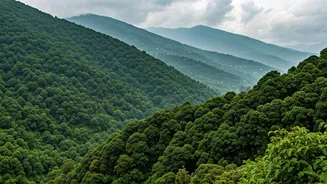
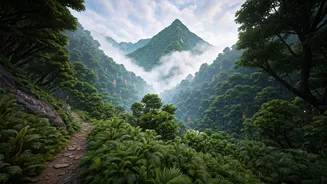
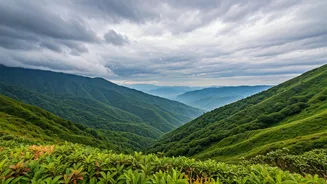
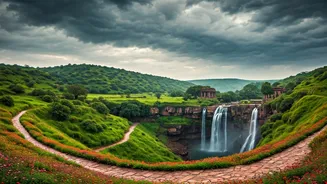
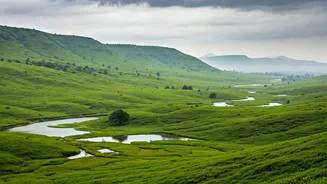
There is a palpable change in Saputara when the first rains arrive. The landscape, pleasant yet dry in summer, undergoes a dramatic metamorphosis. The hills wrap themselves in a thick blanket of green, clouds descend to kiss the valleys, and the air fills
with the petrichor that city dwellers long for. Located in the Dang district, Saputara sits at an altitude of about 1,000 meters and offers a cool, refreshing climate with temperatures in July typically ranging from 22 to 26 degrees Celsius. This season isn't just about the rain; it's about witnessing the region come alive. For those who appreciate nature's grandeur, the monsoon is undoubtedly the best time to visit. The entire hill station feels renewed, offering a serene and romantic atmosphere perfect for a weekend getaway from cities like Surat (172 km) or Nashik (80 km).
Chasing Waterfalls and Misty Views
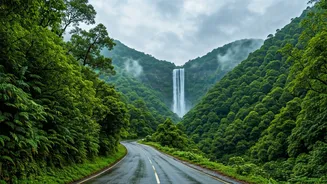
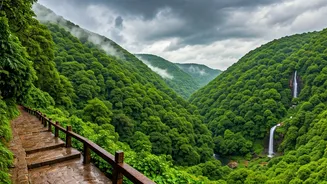
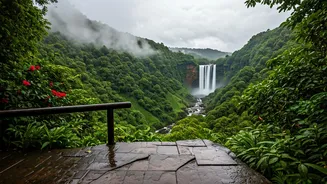
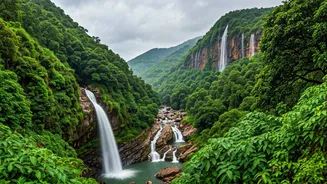
Monsoon is synonymous with waterfalls, and Saputara delivers spectacularly. The Gira Waterfalls, located about 50 km from the main town, become a powerful cascade during this season, tumbling from a height of over 75 feet. It's a popular spot for a half-day trip, where the roar of the water and the surrounding lushness create a memorable experience. Beyond specific falls, the entire region is dotted with smaller streams and rivulets. Viewpoints like Sunrise Point and Sunset Point, while perhaps not offering clear sunrises or sunsets due to cloud cover, provide a different kind of beauty. They become platforms to watch the theatre of rolling fog and low-hanging clouds, offering a surreal, almost ethereal, perspective of the Dang forest below. For an elevated view, the ropeway offers a thrilling ride across the valley, giving a bird's-eye view of the rain-washed town, provided the weather permits.
Culture, Crafts, and Festivities
Saputara's appeal extends beyond its natural beauty. It is the heartland of the Dangi tribe, and the monsoon season is a culturally vibrant time. A visit to the Saputara Tribal Museum offers a deep dive into the lifestyle, costumes, and heritage of the local communities. Nearby, the Artist Village (also known as Gandharvapur) is a hub for authentic tribal art. Here, you can watch artisans create Warli paintings and bamboo crafts, and even purchase these handmade souvenirs directly from them. Adding to the allure, Gujarat Tourism often organises the Saputara Monsoon Festival, which typically runs from late July into August. The festival celebrates the season with cultural programs, Dangi tribal dance performances, food stalls, and a host of adventure activities, turning the entire town into a lively carnival.
Planning Your Monsoon Trip
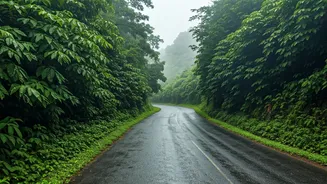
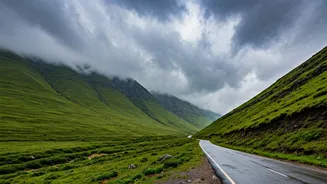
A trip to Saputara during the monsoon requires a bit of planning. The region is well-connected by road, but it's crucial to drive with caution, especially on the ghat sections, which can be slippery and foggy. It's best to avoid driving at night. For those travelling by train, the nearest major railway station is Bilimora, about 50-80 km away, from where taxis are readily available. When packing, prioritise rain gear, including umbrellas and waterproof jackets. Good-grip footwear is essential for navigating wet and potentially slippery paths. While most tourist spots remain open, activities like boating on Saputara Lake and the ropeway are subject to weather conditions. It's always wise to check local weather updates before heading out. A flexible itinerary will allow you to enjoy the destination's moody charm, whether you're relaxing with a cup of tea during a downpour or exploring viewpoints when the rain subsides.