





The Search for Comfort Beyond Coffee
The daily ritual of coffee and tea is a cornerstone of modern life. Yet, a growing number of people are seeking alternatives that soothe rather than stimulate. This shift is driven by a desire for better sleep, reduced anxiety, and a deeper connection
to natural ingredients. As consumers become more health-conscious, they are exploring ancient wellness traditions for answers. This has sparked a rediscovery of traditional Indian beverages, which have been used for centuries not just for hydration, but as health tonics. Among the most cherished of these are the spiced decoctions from South India, which offer warmth, flavour, and healing properties without a drop of caffeine.
Kashayam: A Tradition of Wellness
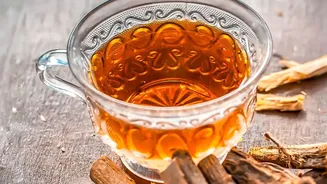
At the heart of this tradition is the 'kashayam' or 'kwatha', an Ayurvedic herbal drink. A kashayam is not a simple tea or infusion; it is a decoction, a method where herbs, spices, roots, or barks are boiled in water to extract their potent, water-soluble essence. This process, rooted in Ayurvedic principles, is designed to create a beverage that supports digestion and delivers the herbs' healing potential efficiently. For generations, these preparations have been a household staple in South India, used to treat everything from the common cold to indigestion. They represent a form of liquid wisdom, passed down through families as a first line of defense and a source of comfort.
Spotlight On: Sukku Malli Kappi
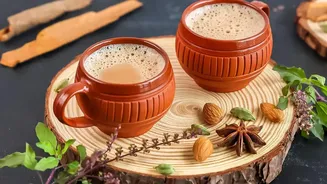
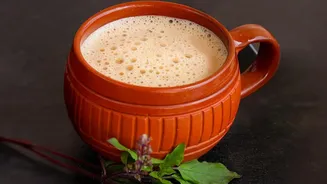
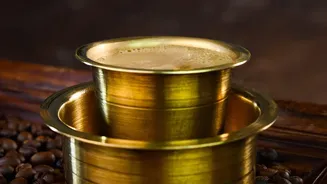
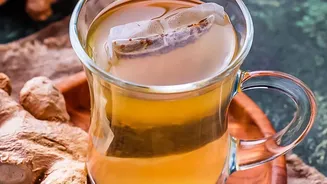
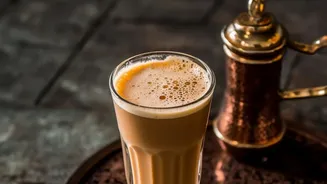
Perhaps the most famous of these decoctions is 'Sukku Malli Kappi' (or 'Chukku Kappi'). Despite the name 'kappi' (coffee), it is completely caffeine-free. Its two star ingredients are 'sukku' (dried ginger) and 'malli' (coriander seeds). This powerful combination, often simmered with other spices like black pepper and sweetened with palm jaggery, creates a drink that is both aromatic and intensely warming. Traditionally, Sukku Malli Kappi is a go-to remedy for colds, coughs, sore throats, and nasal congestion. The dry ginger is known to aid digestion and reduce inflammation, while coriander seeds are prized for their ability to soothe an upset stomach. It is the quintessential comfort drink, especially during monsoon or winter months.
More Than a Drink, It's a Ritual of Care
The revival of these decoctions is about more than just their health benefits. In many South Indian homes, the act of preparing a kashayam is an expression of care. It is the drink a mother or grandmother prepares when a family member feels unwell, a tangible offering of comfort and healing. This emotional resonance is a key part of its appeal. In a fast-paced world, the slow, deliberate process of boiling spices and herbs feels grounding. It offers a connection not only to wellness but to heritage and family. This blend of ancient wisdom and personal care makes these drinks a powerful antidote to the stresses of modern life.
Why This Ancient Trend Resonates Now
The comeback of spiced decoctions aligns perfectly with today's global wellness trends. The focus on gut health, natural immunity boosters, and clean-label products makes these traditional recipes highly relevant. Consumers are increasingly turning away from processed beverages with artificial additives, seeking out the authenticity and transparency that drinks like Sukku Malli Kappi offer. This movement represents a reclamation of cultural identity and a growing appreciation for food as medicine. As modern science begins to validate the benefits of ingredients like ginger, turmeric, and coriander, these age-old remedies are being embraced by a new generation as a timeless tool for self-care.