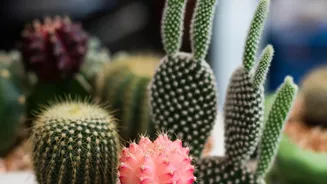





Desert plants bring a unique, sculptural beauty to our homes, but their watering needs can feel mysterious. The truth is, keeping succulents and cacti happy is simple once you master a few key principles of moisture and timing.
Embrace the 'Soak and Dry' Method
The single most important
rule for watering desert plants is the 'soak and dry' method. These plants are adapted to infrequent but heavy rainfall in their native habitats. To mimic this, you should water the plant thoroughly, allowing the entire soil volume to become saturated. Keep pouring water until it flows freely from the pot's drainage holes. Then, and this is the crucial part, allow the soil to dry out completely before you even think about watering again. This cycle prevents the roots from sitting in consistently damp soil, which is the leading cause of root rot, the number one killer of succulents. Forget using a spray bottle; misting only wets the surface and can lead to weak, shallow roots or even rot on the leaves.
Mastering Simple Moisture Checks
So how do you know when the soil is truly dry? Don't just look at the top layer, which can be deceiving. The most reliable method is the finger test: stick your index finger about two inches into the soil. If it comes out clean and feels dry, it's time to water. If any soil sticks to it or it feels cool and moist, wait a few more days. For deeper pots, a simple wooden skewer or chopstick works wonders. Push it deep into the pot, leave it for a few minutes, and pull it out. If it comes out clean and dry, the plant is thirsty. If it's discolored or has soil clinging to it, there's still moisture in the root zone. Lifting the pot to gauge its weight is another effective technique; a freshly watered pot is significantly heavier than a dry one.
Listen to the Seasons
A plant's water needs change dramatically with the seasons. Desert plants do most of their active growing during the spring and summer. During this time, they require more frequent watering—perhaps every two to four weeks, depending on light, heat, and pot size. As autumn approaches and temperatures cool, you should begin to reduce the frequency. In the winter, most succulents and cacti enter a dormant period where their growth slows or stops entirely. During this rest phase, they need very little water. Many established desert plants can go a month or even longer between waterings in winter. Watering too much during dormancy is a common mistake that invites root disease. A good rule is to cut back winter watering to about a third of the summer amount.
Learn to Read the Leaves
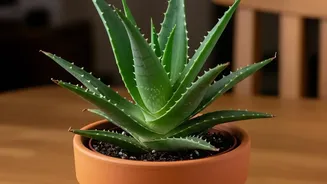
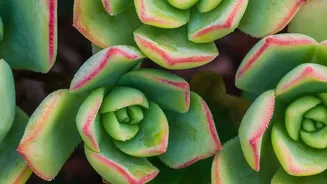
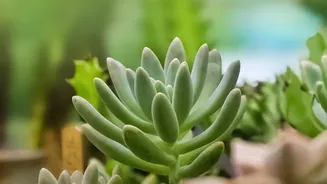
Your plant will give you clear visual cues about its water status. The key is knowing how to interpret them. Underwatered succulents will have leaves that look wrinkled, shriveled, or deflated. The leaves may feel soft but not mushy. This is the plant using up its internal water stores, and it's an easy fix—just give it a thorough watering. Overwatering, however, is more dangerous. The signs include leaves that appear soft, mushy, and translucent or yellowish. This happens when the plant's water-storing cells burst. An overwatered plant may also drop its leaves at the slightest touch. If you see these signs, act fast by stopping all watering and ensuring the plant is in well-draining soil.
The Foundation: Pot and Soil
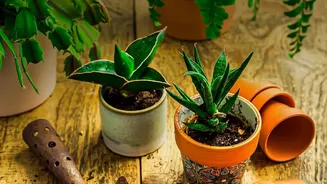
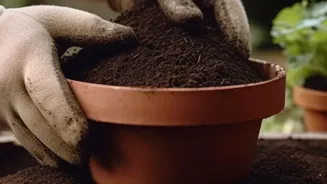
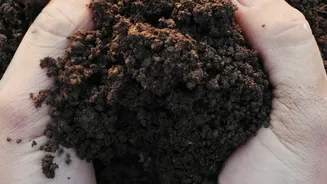
Proper watering techniques can be undermined by the wrong pot or soil. Excellent drainage is non-negotiable. Always use a pot with at least one drainage hole. Porous materials like terracotta are ideal because they allow the soil to dry out faster. When it comes to soil, never use standard potting mix or native garden soil, which retains too much moisture. Instead, choose a specially formulated cactus and succulent mix. These gritty mixes are designed to drain quickly, providing the aeration and dry conditions that desert plant roots need to thrive.