





The Final Whistle and The First Outcry
The 2026 World Cup final in New Jersey was a tense, attritional affair. For 90 minutes, Argentina’s physical, disruptive style clashed with Spain’s patient possession game. The match was decided in extra time by a 106th-minute goal from Spain's Ferran
Torres. However, the narrative of the final was dominated by the performance of Slovenian referee Slavko Vinčić. Argentina was reduced to ten men just before extra time when Enzo Fernández received a second yellow card for a reckless challenge. The sense of injustice among fans was palpable, fueled by what they saw as a pattern of biased decisions that culminated in post-match scuffles on the pitch.
A Petition of Passionate Protest
In the digital age, fan outrage has a new outlet. A petition started by an Argentine supporter named Gisela Sánchez on Change.org quickly gathered hundreds of thousands of signatures. The petition calls for a replay of the final, alleging that the referee's performance was not just poor, but potentially corrupt, and influenced the outcome of the match. While such petitions have virtually no chance of compelling FIFA to act, they serve as a powerful barometer of public sentiment. This wasn't the first such petition of the tournament—French fans had tried a similar tactic after their semi-final loss to Spain—but the sheer volume of signatures reflects a deep-seated feeling of being wronged on football's biggest stage.
The Rocky Road to the Final
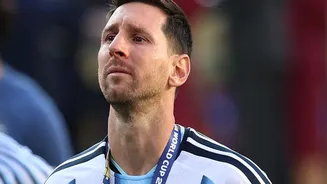
To understand why this silver medal feels so hollow, one must look beyond the final match. Argentina's journey through the knockout stages was far from the glorious march many had hoped for. While they topped their group with a perfect record, the knockout rounds were a nervy, grinding affair. They needed extra time to overcome tournament debutants Cape Verde in the round of 32. Against Egypt, they were trailing until a dramatic late comeback saw them score three goals in the final 11 minutes. The quarter-final against Switzerland also went to extra time. This wasn't the dominant, free-flowing football of a champion-in-waiting; it was a team surviving by grit and determination, often looking exhausted and overly reliant on moments of individual brilliance from a 39-year-old Lionel Messi.
A Team Lacking Its Spark
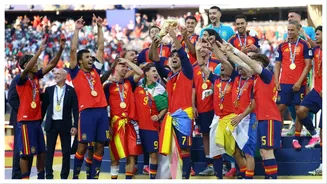
Pragmatism won out over flair in Lionel Scaloni's squad. The team’s approach was often cynical and physical, focused on disrupting the opponent rather than imposing their own style. This led to widespread criticism of their conduct throughout the tournament, culminating in the players turning their backs during Spain's trophy presentation. Many observers felt the team's behavior crossed a line, from post-match altercations to a general air of poor sportsmanship. For a fanbase that idolizes the beautiful game, or 'fútbol-arte', this win-at-all-costs mentality, even when it didn't ultimately result in a win, left a sour taste. The campaign was effective enough to reach the final, but it lacked the joy and identity that make a World Cup run truly memorable.
The Heavy Burden of Expectation
Ultimately, Argentina's 2026 campaign buckled under the immense weight of expectation. As defending champions, and with Messi playing in what he confirmed was his final World Cup, anything less than another victory was destined to be seen as a failure. This pressure was evident in the team's tense performances and the fans' fiery reactions. The overreliance on an aging Messi to create magic, the difficult path to the final, and a style of play that felt more like a chore than a celebration all contributed to the feeling of a campaign that is best left forgotten. The controversy in the final was merely the flashpoint for a month's worth of accumulated frustration and disappointment.