




Choose Your Destination Wisely
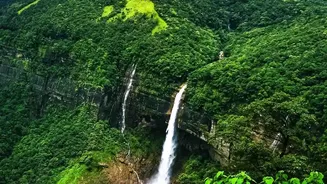
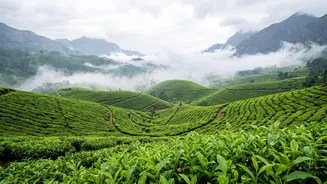
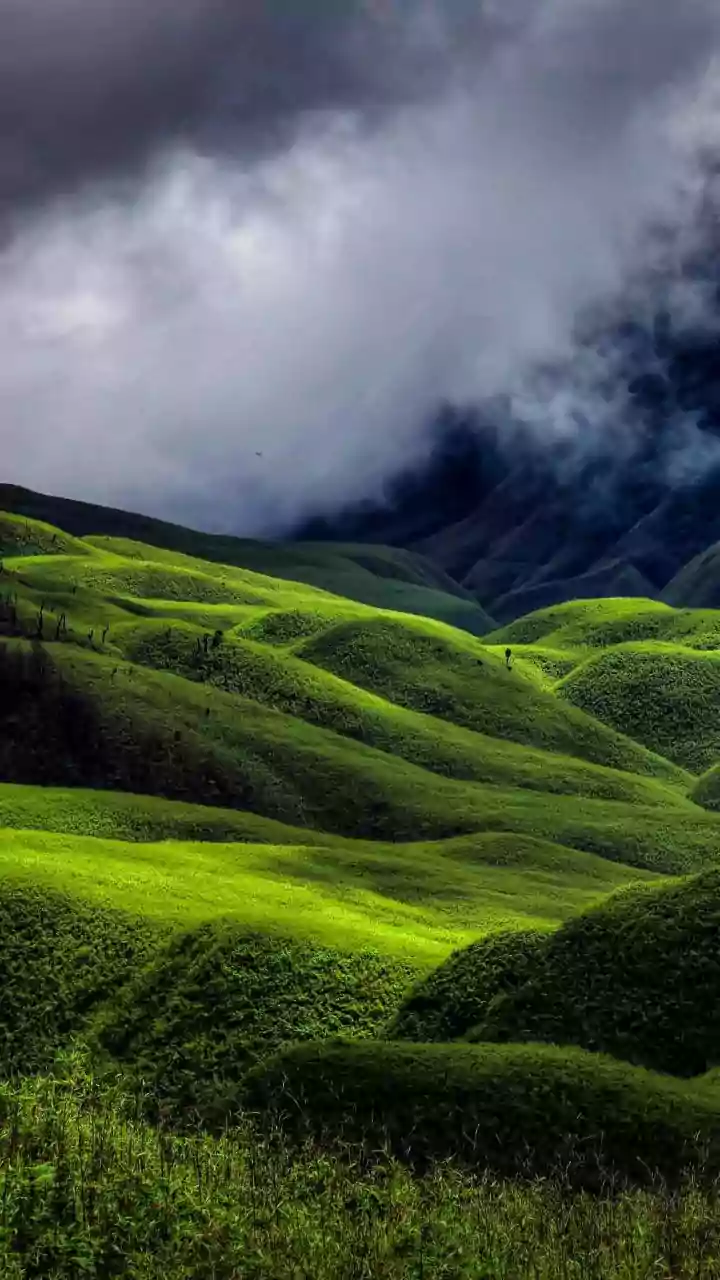
Not all hill stations are created equal during the monsoon. While the rains bring stunning greenery everywhere, some regions are more prone to landslides and severe weather disruptions. For a safer bet, consider destinations in the Western Ghats and Nilgiris.
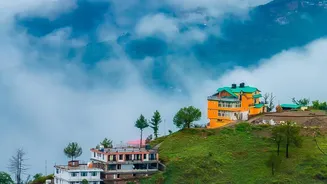
Places like Coorg, Munnar, Ooty, and Mahabaleshwar have well-maintained roads and infrastructure that can better handle the rains. In contrast, some routes in the Himalayas can become treacherous. Always research your intended destination for recent weather patterns and landslide risks before booking. Prioritizing places known for reliable connectivity can be the difference between a serene getaway and a stressful ordeal. Regions in the Himalayan rain-shadow, like Ladakh and Spiti Valley, receive very little rainfall and remain accessible, offering a completely different kind of mountain experience during this season.
Master a Flexible Itinerary
The key to a successful monsoon trip is flexibility. Rain can appear suddenly, roads can close with little warning, and travel can slow down significantly. When planning, build buffer days into your schedule. This extra time acts as a safety net, ensuring that a single delay doesn't derail your entire trip. Book refundable or flexible flights and hotels wherever possible. This might cost slightly more upfront but can save you a significant amount if plans need to change. Instead of a packed, minute-by-minute schedule, have a primary plan and a backup indoor option—like visiting a local museum, café, or market—for each day. This approach allows you to adapt to the weather rather than fight against it.
Your Monsoon-Proof Packing Guide
Packing for a monsoon trip requires a specific strategy. Prioritize lightweight, quick-drying clothes. Heavy fabrics like denim will take ages to dry in the humid air. Essential items include a reliable raincoat, a sturdy umbrella, and waterproof footwear with a good grip to navigate slippery paths. Protect your electronics by using waterproof bags or zip-lock pouches for your phone, camera, and chargers. A power bank is crucial, as power cuts can be more frequent during heavy rains. Also, pack a basic first-aid kit with essentials for common ailments, along with any personal medications. A flashlight and extra plastic bags for wet clothes are small additions that can prove invaluable.
Navigating Roads and Transport Safely
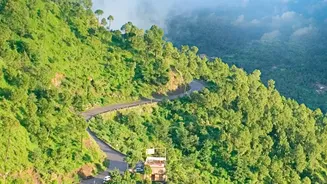
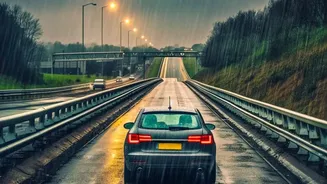
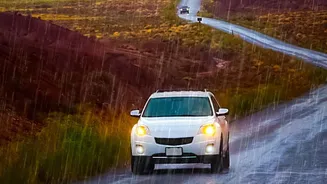
Road travel is the biggest challenge during a monsoon hill trip. If you are driving, ensure your vehicle is in top condition, with functional brakes, wipers, and tyres with good tread. Drive slowly, maintain a safe distance from the vehicle ahead, and use your headlights for visibility even during the day. It is best to avoid driving after dark, as visibility worsens and risks increase. Be extremely cautious on steep descents and be wary of parking near unstable slopes. If rain becomes too heavy, the safest option is to pull over and wait for it to subside. Never attempt to drive through waterlogged roads, as it's difficult to judge the depth or condition of the road underneath.
Staying Healthy Amidst the Rain
The monsoon brings an increased risk of waterborne and mosquito-borne diseases. To stay healthy, drink only bottled, boiled, or purified water, and be cautious about street food, which can be prepared with contaminated water. Eat freshly prepared meals. Carry mosquito repellent and wear long-sleeved clothing, especially in the evenings, to protect against bites that can cause dengue or malaria. Maintain personal hygiene by washing your hands frequently or using a sanitiser. Avoid walking in stagnant water, as it can be a breeding ground for bacteria and lead to fungal infections. A quick shower after getting caught in the rain can help wash away germs.