
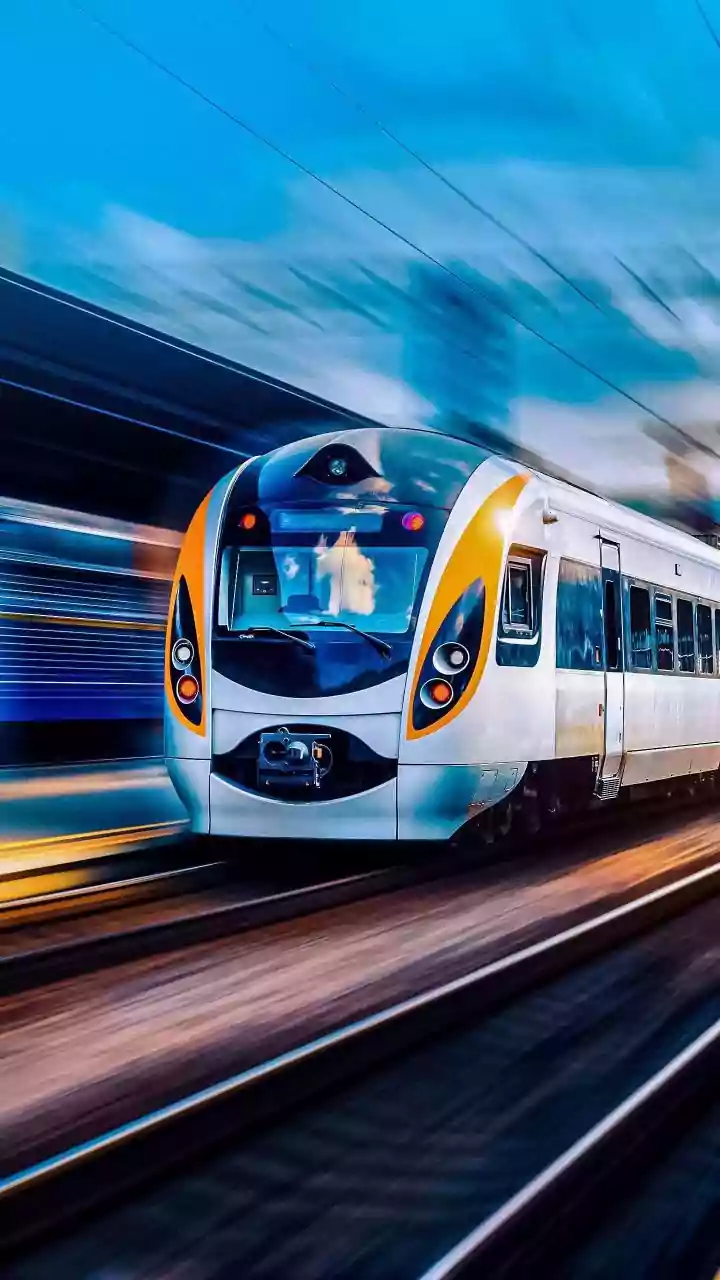
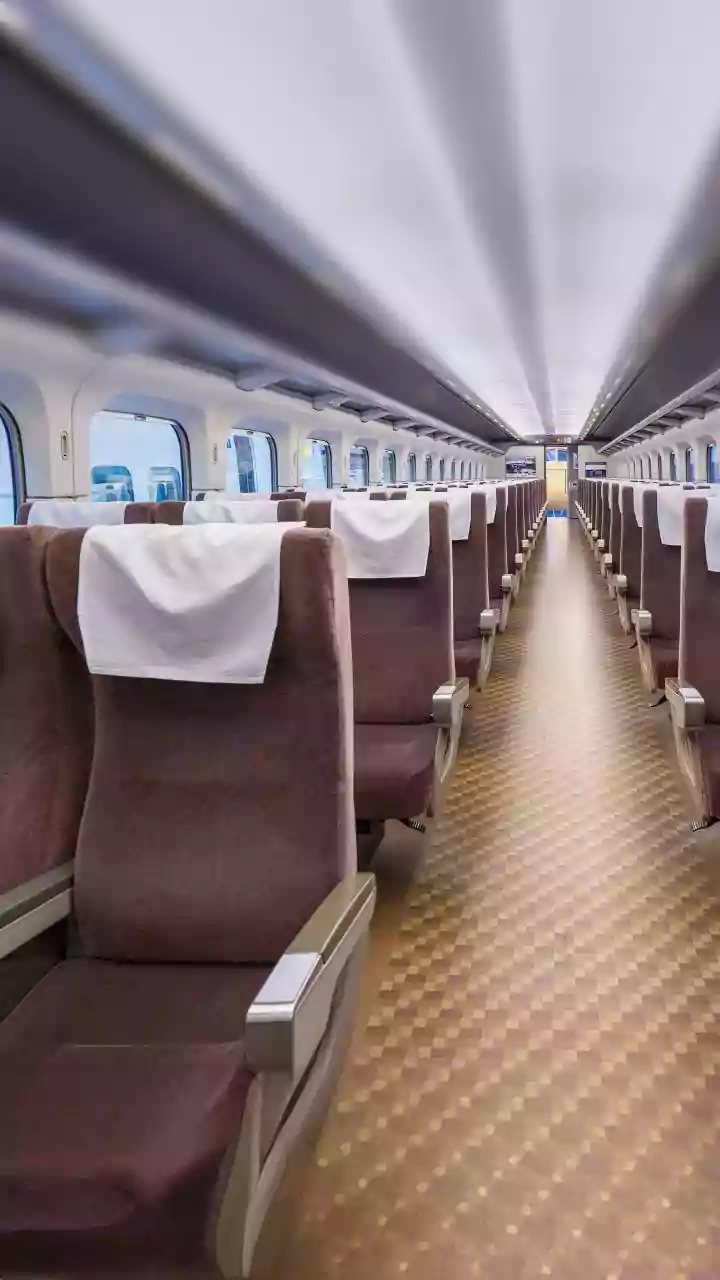

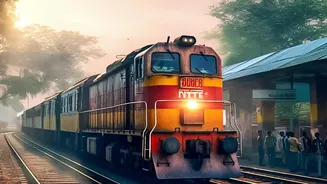

Indian Railways is rethinking its onboard dining experience. In a significant trial, IRCTC has rolled out a shorter, more focused menu on select Vande Bharat sleeper trains, aiming for better quality and service by offering fewer, curated dishes.
Why the Change? A Focus on Quality
The Indian
Railway Catering and Tourism Corporation (IRCTC) has launched a pilot project to trim its extensive meal offerings on three Vande Bharat sleeper routes, starting from November 1, 2026. This move is a direct response to frequent passenger complaints regarding food quality, hygiene, and consistency on long-distance trains. By reducing the number of items in each meal from as many as ten down to four, officials believe it will be easier to monitor preparation, ensure freshness, and maintain a higher standard for every dish served. The goal is to adopt an airline-style catering model, where a compact menu allows for better quality control and a more reliable dining experience for passengers. This trial is also aimed at reducing food wastage and addressing operational challenges posed by preparing elaborate meals in limited pantry car spaces.
Which Routes Are Part of the Trial?
This trial is not system-wide and is currently limited to three specific Vande Bharat sleeper train routes. Passengers travelling on the following services will experience the new, shorter menu: Mumbai-Bengaluru, New Delhi-Varanasi, and Howrah-Kamakhya (in Guwahati). These routes have been chosen for the initial phase of the pilot project. IRCTC is actively collecting passenger feedback on these services to evaluate the success of the initiative. Depending on the response from travelers, the trimmed menu concept could be extended to a wider network of Vande Bharat trains and potentially other long-distance premium services in the future.
What's On the New, Shorter Menu?
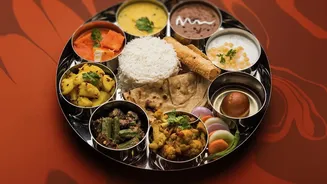
The new menu simplifies choices for breakfast, lunch, and dinner. For breakfast, passengers can now choose from a focused selection that includes options like Idli and Vada with sambhar and chutney, Poha, or Upma. This means items such as soup, egg omelettes, sandwiches, buttermilk, and chocolates have been removed from the breakfast tray. For lunch and dinner, the meal has been streamlined to include essentials: chapati, rice, dal, and one main dish. Passengers will have a choice between a vegetarian option (like a paneer or vegetable dish) and a non-vegetarian chicken dish. Several accompaniments previously served, such as a dry vegetable side, curd, salad, pickle, and sweets, are no longer part of the standard meal tray under this trial.
Lighter Trays and New Partners
Along with fewer items, the overall weight of the meal tray has also been reduced. A meal that previously weighed between 700-750 grams now weighs approximately 450-500 grams. However, IRCTC officials have clarified that the portion size of the main individual dishes has not been changed; only the number of accompanying items has been reduced. To facilitate this focus on quality, IRCTC has partnered with major hospitality and food service companies, including well-known cloud kitchens, to prepare and supply the meals. Partners for the trial routes include TajSATS for the Mumbai-Bengaluru line, the Sarovar Portico Group for the New Delhi-Varanasi service, and the Mayfair Group for the Howrah-Kamakhya route. This outsourcing to established caterers is intended to bring professional consistency to train food.