







What is an Urban Heat Island?
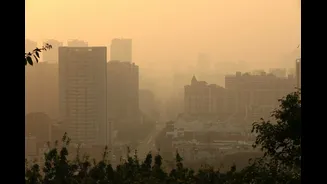
An urban heat island, or UHI, is a phenomenon where metropolitan areas are significantly warmer than surrounding rural areas. Cities are dense with materials like concrete, asphalt, and steel, which absorb and retain the sun's heat far more than natural
landscapes like forests and fields. During the day, these surfaces bake under the sun. When night falls, instead of cooling down quickly, they slowly release that stored heat back into the air. This process keeps nighttime temperatures in cities several degrees higher than in the countryside. In Indian cities like Delhi, the nighttime temperature can be 4-6°C hotter due to this effect, turning homes into heat traps.
Your Body's Sleep-Wake Cycle
Your body runs on an internal 24-hour clock called the circadian rhythm. This clock tells you when to wake up, when to feel hungry, and crucially, when to sleep. A key player in this process is melatonin, often called the 'hormone of darkness'. As daylight fades, your brain's pineal gland begins to produce melatonin. This hormone doesn't knock you out, but it signals to your entire body that it's time to prepare for sleep. One of its most important jobs is to help lower your core body temperature, a critical trigger for falling asleep.
When City Heat Blocks Sleep
Here’s where the two concepts collide. For your brain to get the 'go to sleep' signal, your core body temperature needs to drop by about 1-2°C. Your body achieves this by sending heat from its core to your skin, especially your hands and feet, where it can dissipate into the cooler night air. But when the ambient temperature is too high—as it often is in an urban heat island—your body struggles to offload this excess heat. This environmental warmth prevents your core temperature from dropping effectively. As a result, the brain receives conflicting signals: melatonin levels may be rising, but the thermal cue for sleep is missing. This conflict can delay or suppress the full melatonin effect, making it harder to fall asleep, reducing restorative deep sleep, and causing more frequent awakenings throughout the night.
More Than Just a Poor Night's Rest
This isn't just about feeling groggy. Chronic sleep disruption has serious health consequences. Studies across major Indian cities show significant sleep loss, with residents in Chennai losing an average of 93 hours annually due to warm nights. Consistently poor sleep and suppressed melatonin are linked to a weakened immune system, increased risk of cardiovascular and metabolic diseases, and impaired cognitive function. The problem is especially acute for those in densely packed neighbourhoods without access to air conditioning, turning this environmental issue into a public health crisis.
Reclaiming Your Sleep in the City
While large-scale solutions involve greener city planning like planting more trees and using reflective building materials, there are steps you can take to create a better sleep environment. Focus on keeping your bedroom cool and dark. Use breathable cotton sheets, take a lukewarm shower before bed to help lower your body temperature, and ensure good air circulation with fans. Blackout curtains can block both streetlights—another source of melatonin disruption—and help insulate the room from external heat. By taking control of your immediate environment, you can help send the right signals to your brain that despite the city's glow and warmth, it's time for rest.