






Vinegar: The Ultimate Mould Buster?
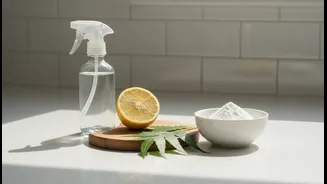
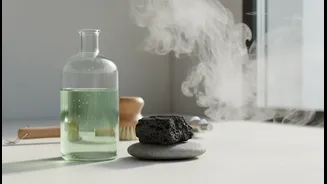
The belief that white vinegar is a cure-all for monsoon cleaning is strong. Its acidic nature does indeed give it antifungal properties, and it can be effective against some common household moulds, especially on non-porous surfaces like glass and ceramic
tiles. Many people swear by a vinegar-water solution for cutting through grease and keeping windows streak-free. However, the reality is more complicated. Vinegar is not a registered disinfectant, meaning it doesn't kill as many germs as you might think. Studies show it is effective against some types of mould but not all. The biggest issue is its acidity, which can cause permanent damage to certain surfaces. You should never use vinegar on natural stone like marble or granite, as it can etch the surface. It can also degrade wooden floor finishes and the grout between your tiles over time, potentially making mould problems worse in the long run.
Baking Soda: The All-Purpose Odour Killer?
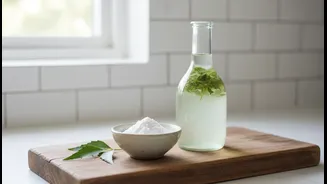
During the monsoon, that persistent damp, musty smell can feel impossible to beat. This is where baking soda truly shines. As a natural deodoriser, it is brilliant at absorbing unpleasant odours. Placing an open box in a damp cupboard, sprinkling it on carpets before vacuuming, or using it to freshen up a smelly fridge are all genuinely effective tricks. Its gentle abrasive quality also makes it a great, non-toxic scrubbing agent for sinks and stovetops. But here's the critical question: does it disinfect? The answer is no. Baking soda has some mild antibacterial properties but it does not effectively kill most viruses or dangerous bacteria like Salmonella or E. coli that can thrive in a humid home. So while it's an excellent first step for cleaning and deodorising, it shouldn't be your only line of defence against monsoon germs.
Neem: The Natural Pest Shield?
With the rains come an invasion of insects, from ants to mosquitoes. Neem has been a traditional part of Indian households for generations for this very reason. The praise for neem oil as a natural pest repellent is well-deserved. It acts as a powerful insecticide that can deter common pests like aphids, whiteflies, and mealybugs. Its antifungal properties also help protect plants from diseases that are common in the damp monsoon weather. For home use, a few drops of neem oil in your mopping water or a diluted spray near windows and doorways can help keep bugs at bay. The main things to be aware of are its strong, earthy smell, which not everyone enjoys, and the need to use a good quality, pure oil for best results. As with any essential oil, it should be used with care, especially in homes with pets.
The Volcano Effect: A Cleaning Powerhouse?
One of the most popular 'hacks' is mixing baking soda and vinegar to watch it fizz dramatically. It feels like powerful cleaning in action, but this is perhaps the biggest myth of all. When you combine an acid (vinegar) and a base (baking soda), they react to neutralize each other. That impressive fizz is simply carbon dioxide gas being released. The liquid left behind is mostly just water with a small amount of sodium acetate, which has very little cleaning power. In fact, the mixture is less effective than using either vinegar or baking soda on its own. The only time this combination has a minor benefit is when used directly in a drain; the physical agitation from the fizzing can help loosen light buildup before you flush it with hot water. For surface cleaning, however, this popular mix is all show and no substance.