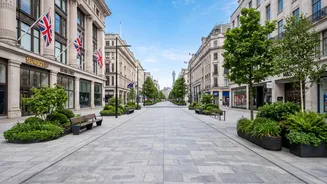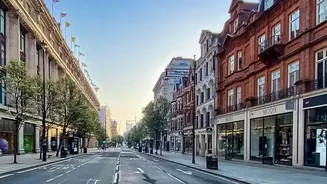






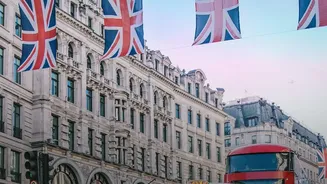

London's famous Oxford Street just underwent a historic change, banning traffic from its central stretch. This isn't just about one street; it's a headline example of a global movement rethinking cities for people, not just cars.
The Rise of the People-First Street
For decades, the car was
king in city planning. But a growing movement is pushing back, reclaiming streets for pedestrians. This concept, called pedestrianisation, involves restricting vehicle access in an area to make it safer, cleaner, and more enjoyable for people on foot. The goals are ambitious: reduce air and noise pollution, improve public health by encouraging walking, enhance safety, and often, boost local economies by creating more pleasant shopping and dining environments. While the idea has been around for a while, it gained significant momentum after the pandemic, as cities worldwide experimented with temporary traffic-free zones. The results have often been so positive that many, like London, are now making these changes permanent.
Case Study: The Oxford Street Transformation
After decades of debate, one of the world's most famous shopping streets went traffic-free on October 26, 2026. A nearly one-kilometre section between Orchard Street and Great Portland Street is now closed to all traffic, including buses, taxis, and even bicycles, for most of the day. The move, part of a £150 million project, aims to revitalise a street that had become congested and polluted. Early data from the first week is promising, with some retailers reporting a 19% jump in transactions and a 28% rise in the total value of sales compared to the previous year. Shoppers have described the new environment as safer and more pleasant without the constant noise and danger of traffic. However, it’s not without its initial problems, including enforcement challenges with cyclists and concerns from some elderly or disabled shoppers about the removal of key bus stops.
Global Pioneers of Pedestrianisation
London is following a path well-trodden by other major cities. Copenhagen’s Strøget, one of Europe’s longest pedestrian streets, is a famous example. Its transformation began in 1962, initially facing public scepticism but eventually becoming a celebrated success that reshaped the city’s social life. In Barcelona, the tree-lined La Rambla is a vibrant hub of activity, demonstrating how a central pedestrian promenade can become a city's social heart. Similarly, New York’s Times Square saw a dramatic 63% drop in vehicle-related accidents after areas were given over to pedestrians. From Rue Montorgueil in Paris to Melbourne's laneways, cities are proving that prioritising people can create dynamic and thriving urban spaces.
The Hurdles on the Path to Car-Free
Despite the benefits, pedestrianisation is not a simple fix. Projects often face significant challenges. One of the main concerns is traffic displacement, where closing one street simply moves congestion to surrounding areas. Opposition from local businesses, who fear losing customers that arrive by car, is another common hurdle, though studies often show the opposite effect, with increased footfall boosting sales. There are also valid equity and accessibility concerns; removing bus routes and taxi access can make an area harder to reach for the elderly, people with disabilities, and those who rely on public transport. A successful scheme requires careful planning to address these issues, ensuring good public transport links remain nearby and that the needs of all community members are considered.