





Plan Your Route Around Waterlogging Hotspots
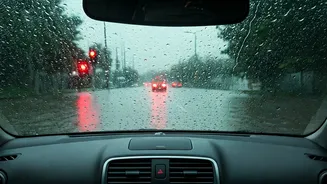
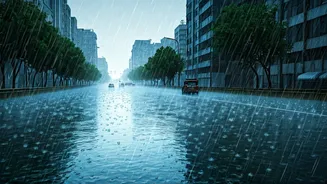
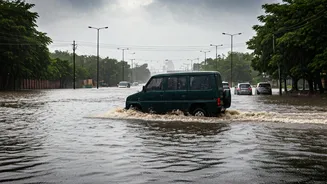
The most immediate challenge after a heavy spell of rain is navigating the city's inundated streets. Before stepping out, check real-time traffic updates on map applications and follow social media handles of the Delhi Traffic Police for alerts. Authorities
have identified hundreds of waterlogging hotspots across the city, with key areas like Minto Bridge, Zakhira, Dwarka, and stretches of the Ring Road being particularly vulnerable. Planning an alternative route or opting for the Delhi Metro can save you hours of frustration and prevent your vehicle from getting stuck in deep water. Driving through flooded roads not only risks stalling your engine but also exposes your vehicle's undercarriage to severe damage.
Guard Against Water-Borne and Vector-Borne Diseases
The monsoon brings a heightened risk of various illnesses. Stagnant water becomes a breeding ground for mosquitoes, leading to a spike in cases of dengue, malaria, and chikungunya. Health advisories regularly urge residents to prevent water from collecting in coolers, pots, and tyres, and to use mosquito repellents. Furthermore, the risk of water-borne diseases like cholera and diarrhoea increases due to potential contamination of water sources. It's crucial to consume only boiled or purified water and avoid street food, especially uncooked items like cut fruits, that may be exposed to contaminants. Maintaining personal hygiene, like frequent hand washing, is a simple yet effective preventive measure.
Conduct a Quick Vehicle Check-Up
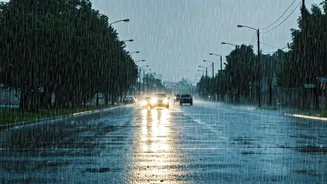
Your car or two-wheeler takes a beating during the rains. Before you start your journey, a quick inspection is essential. Check that your tyres have adequate tread and are properly inflated for better grip on slippery roads. Ensure your headlights, taillights, and indicators are functioning correctly, as visibility is often poor during and after rain. Wipers are your best friend in a downpour; make sure the blades are clean and not worn out. Driving through water can also affect your brakes, so test them gently after passing through a waterlogged patch to help them dry. The acidic nature of polluted rain in Delhi can damage your car's paint over time, so a regular wash is more important than ever.
Beware of Electrical Hazards and Fallen Trees
Waterlogging can create unseen dangers. Be extremely cautious of fallen power lines, open manholes, and submerged electrical poles or junction boxes. Strong winds accompanying the rain can uproot trees, blocking roads and posing a significant threat. It's advisable to avoid parking your vehicle under large trees during the monsoon. If you see sparks from any electrical installation, stay clear and alert the authorities. Children should be particularly cautioned against playing in waterlogged parks or streets where such hazards may be hidden beneath the water.
Pack a Monsoon Emergency Kit
Being prepared for the unexpected is key. A small, waterproof bag with essentials can be a lifesaver. This should include a fully charged power bank for your phone, as communication is vital during emergencies. A basic first-aid kit with antiseptic wipes and bandages is also a good idea. Keeping an umbrella, a raincoat, and a pair of waterproof footwear in your car or bag can protect you from sudden showers and allow you to navigate puddles without ruining your shoes or health. For those driving, a torch, a tow rope, and a window breaker are useful additions for a car emergency kit.
Dress Smart and Protect Your Belongings
Your choice of clothing and accessories can make a big difference. Opt for synthetic fabrics like nylon or polyester that dry quickly. When it comes to footwear, rubber boots or floaters are a practical choice over leather shoes or sneakers, which can be easily damaged by muddy water. To protect your electronics and important documents, always use waterproof bags or zip-lock pouches. If you often get caught in the rain, investing in a good quality waterproof backpack can save you from the hassle of damaged gadgets and soggy papers.