





Why Monsoon is a Gardener's Friend
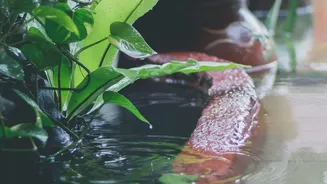
After the scorching heat of summer, the monsoon provides a nurturing environment for plants. The cooler temperatures, high humidity, and abundant rainwater create ideal conditions for growth. Rainwater is naturally soft, free of the salts and minerals
found in tap water, and contains beneficial nitrates that act as a natural fertilizer. This combination encourages faster root development, healthier leaves, and more abundant flowering. For many plants that struggle in the dry heat, the rainy season is a time to thrive, pushing out new growth and spectacular blooms. It's the perfect window for propagating new plants from cuttings and for seeds to germinate more successfully.
Choosing the Right Monsoon Blooms
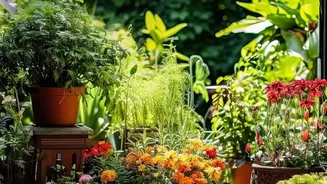
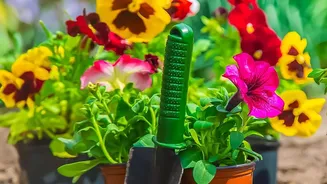
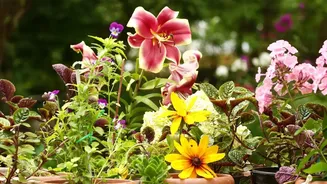
Success starts with selecting plants that love the rain. Fortunately, there is a wide array of flowers that flourish during this season. Hibiscus, a garden staple, produces large, colourful blossoms with even more vigour during the monsoon. Marigolds, with their cheerful gold and orange hues, are not only beautiful but also hardy and known to repel pests. For those with limited space, Balsam (Gulmehndi) is an excellent choice, growing easily in pots and producing delicate flowers in shades of pink, red, and white. Other reliable monsoon favourites include the fragrant Jasmine and Mogra, whose scents are amplified by the moist air, and the aptly named Rain Lily, which surprises with sudden blooms after a shower. Periwinkle (Sadabahar) is another tough, low-maintenance option that blooms continuously, even during heavy rains.
Tackling the Biggest Challenge: Waterlogging
The greatest threat to garden plants during the monsoon is not a lack of water, but an excess of it. Waterlogged soil suffocates roots, leading to root rot and killing the plant. The key to prevention is ensuring excellent drainage. Before the season begins, check that all pots have clear, unblocked drainage holes. Amending your soil mix with compost, sand, or perlite can improve its structure and prevent it from becoming a dense, muddy mess. A simple but highly effective trick is to elevate your pots using bricks or plant stands. This small gap allows excess water to drain freely and improves air circulation around the base of the pot, keeping the roots healthy.
Keeping Pests and Diseases at Bay
High humidity and damp conditions are a breeding ground for pests and fungal diseases. Slugs, snails, aphids, and mealybugs multiply rapidly in the monsoon. Fungal issues like powdery mildew and leaf spot are also common. Regular inspection is your first line of defence. Check under leaves for signs of infestation. To keep plants healthy, ensure good air circulation by pruning dense foliage and avoiding overcrowding. For pest control, an organic neem oil solution sprayed weekly can be highly effective against both insects and fungal infections. It's also wise to remove any fallen leaves or dead plant matter promptly, as this debris can harbor pests and diseases.
Essential Monsoon Care Practices
Gardening in the monsoon requires a shift in routine. First, adjust your watering schedule. Even during the rains, you might need to water if there's a dry spell, but always check the soil first. Overwatering is a common mistake. The monsoon is also the best time for pruning and trimming, which encourages healthier, bushier growth. Use these cuttings to propagate new plants. While rainwater provides some nutrients, the constant downpour can also leach them from the soil. Apply a balanced fertilizer or compost, but only when the soil is not already waterlogged to avoid washing it away. Finally, provide support for tall or climbing plants to protect them from strong winds and heavy rain.