




The Educator Empowerment Lab
The foundation of any educational transformation rests with teachers. Recognising this, Microsoft has launched initiatives like 'Elevate for Educators' in India. Think of this as a massive lab focused on empowering teachers with AI fluency. The goal is to train
two million educators by 2030, embedding AI literacy and computational thinking directly into everyday teaching. By equipping teachers with tools like Microsoft Copilot to prepare lesson plans, create engaging visuals, and automate administrative tasks, the program aims to shift the focus from rote learning to critical thinking and creativity in the classroom. This systemic approach ensures that as AI tools become more common, educators are not just users, but confident architects of an AI-first future in education.
The Future Skills Lab
The jobs of tomorrow will require skills that are deeply intertwined with artificial intelligence. This 'lab' is focused on vocational training and future-proofing India's massive youth population. Through partnerships with bodies like the Ministry of Skill Development and Entrepreneurship, Microsoft is delivering micro-degree programs in subjects like 'AI Programming Assistant'. These initiatives are designed to bridge the gap between academic knowledge and industry demands, offering practical, hands-on experience. By skilling millions in AI-related fields, this effort aims to ensure that India’s workforce can meet the challenges of an AI-driven economy, turning the demographic dividend into a tangible advantage. It's about creating clear, accessible pathways from the classroom to a career in the new digital landscape.
The University Innovation Lab
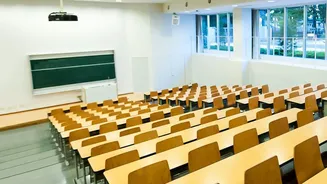
Higher education institutions are becoming crucial partners in AI innovation. A prime example is the recent strategic partnership between Microsoft and Manipal Academy of Higher Education (MAHE). This collaboration is establishing dedicated Microsoft Labs across five of MAHE's constituent institutes, including management and law schools. These labs are not just computer rooms; they are hubs for hands-on learning, interdisciplinary research, and industry-academia collaboration. They provide students and faculty with access to cutting-edge AI technologies, allowing them to experiment and innovate. This model, which could be replicated across the country, fosters a direct link between academic learning and real-world application, preparing graduates who are not just degree-holders but innovators ready to solve complex problems.
The Foundational Research Lab
Behind every practical application of AI is a deep well of foundational research. Microsoft Research India is a critical 'lab' in this context, tackling fundamental problems in machine learning and AI. This isn't just about applying existing technology but inventing the next wave. Researchers here are working on everything from causal machine learning, which helps AI understand cause and effect, to making large AI models more energy-efficient and cost-effective. Projects like AI4Code are exploring how AI can help write and fix complex software, a skill that accelerates innovation across all other fields. This behind-the-scenes work is crucial for building robust, reliable, and scalable AI systems that can be deployed for societal good.
The Accessibility and Inclusion Lab
For AI to truly transform education, it must be accessible to everyone. This conceptual lab focuses on using AI to break down barriers for learners across India. This includes research into creating multilingual AI tools, like Project Gecko, which builds equitable, speech-first assistants for users in diverse regions. By tailoring technology to local languages and contexts, Microsoft aims to ensure that the AI revolution is inclusive. Other projects focus on using AI to support students with special needs and developing low-cost diagnostic tools for healthcare that can indirectly impact a student's ability to learn. This commitment ensures that technology serves as a bridge, not a barrier, bringing the benefits of AI to even the most marginalized communities.