



More Than Just a Condiment
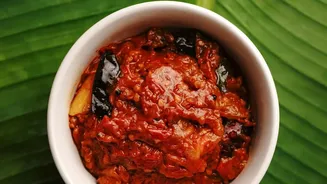
In India, a meal is often considered incomplete without a spoonful of pickle, or achaar. This isn't just about adding flavour; it's about heritage. The art of pickling, dating back over 4,000 years, was born from the necessity of preserving seasonal produce
through lean times. But it quickly evolved into a cultural ritual. Recipes became treasured family heirlooms, passed down from mother to daughter, with each household's version carrying a signature taste and a story. The process of making pickles—selecting fresh ingredients, sun-drying them, and mixing secret spice blends—was a communal activity, a labour of love that bottled the essence of a season and the warmth of family.
A Shift in Consumer Palates
So, what propelled these humble homemade pickles into the premium market? A perfect storm of social and economic shifts. As urbanisation accelerated, lifestyles became busier, leaving less time for traditional, slow-cooking processes. Yet, a nostalgic craving for authentic, 'ghar ka khana' (home-cooked food) remained strong. Consumers, now with more disposable income and a greater awareness of health, began seeking convenient options that didn't compromise on quality or authenticity. They started rejecting mass-produced pickles with artificial preservatives, creating a gap in the market for high-quality, trustworthy alternatives. The rise of home chefs and food entrepreneurs, especially during the pandemic, further fuelled this movement.
From Family Secret to Business Plan
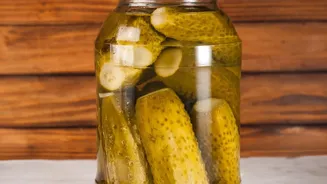
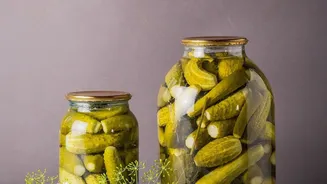
Enter a new generation of food entrepreneurs. Many are women turning their family's treasured recipe books into viable businesses. Brands with names that evoke nostalgia and authenticity are now a common sight online and in premium food stores. These new-age pickle makers differentiate themselves by emphasizing what the big brands often lack: small-batch production, all-natural ingredients, traditional cold-pressed oils, and zero artificial preservatives. Packaging has also received a major upgrade, with elegant glass jars replacing simple plastic containers, signalling the premium nature of the product inside. They leverage social media platforms like Instagram to tell their stories, showcasing the ingredients and the process, and building a direct connection with their customers.
The Business of Nostalgia
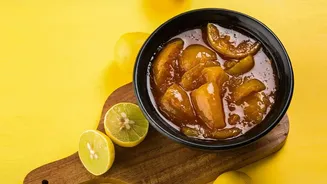
This isn't just a niche trend; it's a significant market shift. The Indian pickle market, valued in the hundreds of millions of dollars, is steadily moving from the unorganised sector to the organised one. While traditional flavours like mango, lime, and mixed vegetable still dominate, these new brands are also reviving forgotten regional specialties and even innovating with new combinations. Think of everything from fiery bamboo shoot pickles from the Northeast to sweet and tangy Gujarati chunda. This transition is not without challenges, as scaling up production while maintaining a 'homemade' feel and quality is a delicate balancing act. However, the potential is immense, with a growing domestic market and increasing interest in authentic Indian foods globally.