

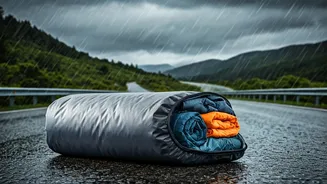



Your Backpack Is Not a Submarine
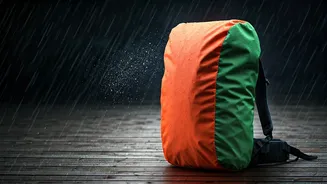
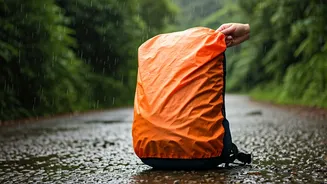
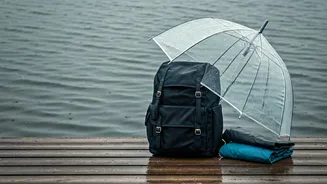
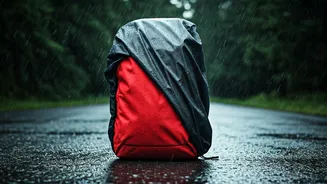
Let's clear up a common misconception: your trusty backpack is likely water-resistant, not waterproof. Most backpacks are made from durable fabrics like nylon or polyester, often treated with a Durable Water Repellent (DWR) coating. This finish is great
for fending off a light drizzle or an accidental splash. However, during a sustained monsoon downpour, this resistance quickly fails. Water will seep through the zippers, seams, and eventually the fabric itself. A 'waterproof' bag, on the other hand, is constructed with sealed seams and non-porous materials designed to withstand complete submersion. These are often expensive, heavy, and less versatile for everyday use, making a separate cover a much more practical solution.
The Smart, Cost-Effective Choice
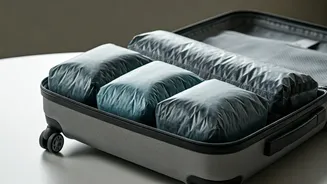
So why is a backpack cover the 'smart' choice? It boils down to versatility and value. Instead of investing in a single, pricey waterproof backpack, a cover allows you to waterproof any bag you own, from your daypack to your large trekking rucksack. This is far more economical. Another popular alternative is using multiple dry bags inside your pack. While effective for organising and protecting specific items, this method can be cumbersome. You have to unpack multiple bags to find one thing, and it doesn't protect the backpack itself from getting waterlogged, heavy, and dirty. A cover is a simple, lightweight, and external shield that protects everything at once.
How to Pick the Perfect Cover
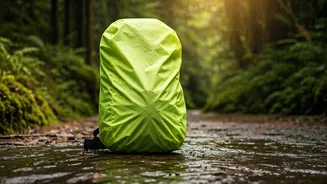
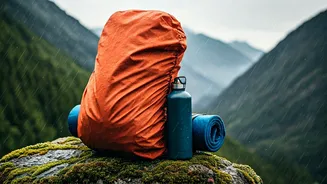
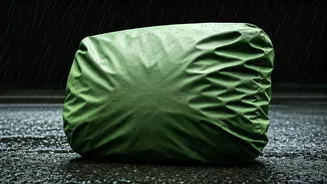
Choosing a backpack cover isn't complicated, but a few features make a big difference. First, check the material. Look for silicone-coated nylon (silnylon) or polyurethane (PU)-coated fabrics, which offer excellent waterproofing. Next, ensure a secure fit. The best covers have an elasticated edge and often an adjustable strap or two that clips around the back of your pack to prevent it from blowing off in high winds. Sizing is crucial; most covers are sold based on the volume of the backpack they fit (e.g., 30-50 litres). It's better to have a slightly larger cover than one that's too small and strains at the seams. Finally, look for a small drainage hole or grommet at the bottom to let any water that does get in escape.
More Than Just Rain Protection
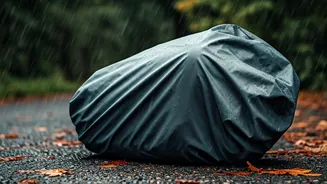
A good backpack cover pulls double duty. On a dusty, muddy trail, it keeps your actual backpack clean. When you stow your bag in the luggage hold of a bus or train, the cover provides a barrier against dirt, grease, and scuffs. It also acts as a minor security deterrent. A covered backpack is slightly more difficult for opportunistic thieves to quickly unzip and rummage through. When you're not using it, a quality cover packs down into its own tiny pouch, taking up almost no space and adding negligible weight to your gear. It’s a multi-purpose tool that proves its worth far beyond just a rainy day.
Pro Tips for Staying Dry
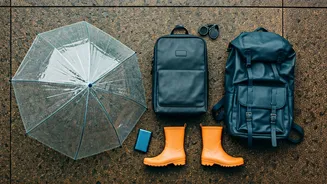
To get the most out of your cover, a little strategy goes a long way. First, put the cover on *before* the rain starts. Don't wait until your bag is already damp. Second, for absolute peace of mind with valuables like your passport, phone, and camera, place them inside a small, separate dry bag or even a zip-lock bag inside your main pack. This double-layer of protection is foolproof. Finally, after a downpour, remember to take the cover off and let both it and your bag air out to prevent mildew from forming.