



The Soaring Cost of a Trip Home
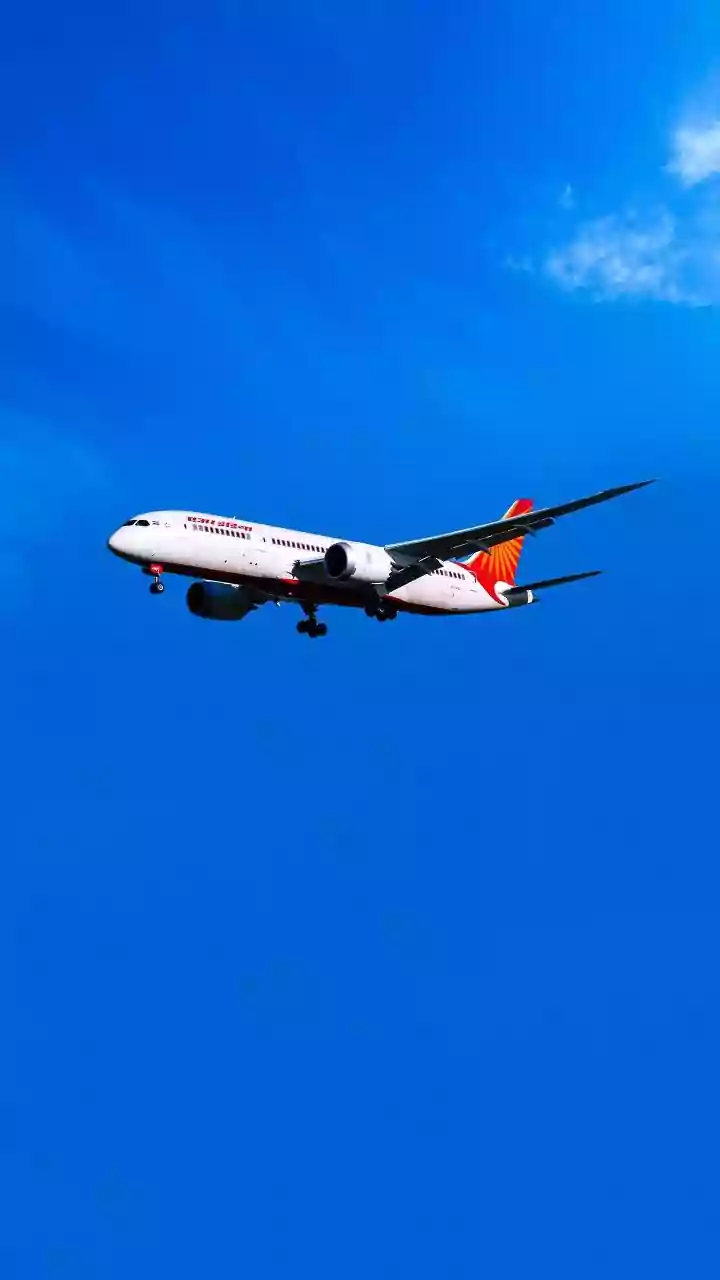
Across India, students are feeling the squeeze of dramatically higher airfares. Tickets to key destinations in Europe, North America, and even the Middle East have seen substantial price hikes. For instance, return fares to the US that were once manageable
have, in some cases, doubled or even tripled, with prices jumping from around ₹90,000 to between ₹2-3 lakh. Similarly, routes to the UK and Germany have also seen prices climb significantly. This surge isn't limited to peak holiday seasons; it's a persistent trend throughout 2026 that is turning the dream of a family visit into a stressful financial calculation. For many, especially undergraduates or those from families with limited means, a 40-60% fare increase is enough to make the trip home impossible.
Why Your Ticket Is More Expensive
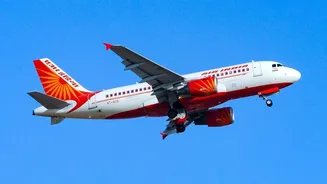
Several factors are converging to drive up the cost of international travel from India. A primary driver is the rising price of Aviation Turbine Fuel (ATF), which constitutes a large portion of an airline's operating costs. In October 2026, major Indian carriers like Air India and IndiGo raised their fuel surcharges in response to a sharp, 14% month-on-month increase in ATF prices. Geopolitical tensions have also forced airlines to take longer flight paths to avoid restricted airspace, adding hours to journeys and burning more fuel. Compounding this is a simple case of supply and demand: travel demand has rebounded robustly, but airline capacity has not kept pace. This mismatch allows airlines to use dynamic pricing algorithms to sell the limited available seats at a much higher premium.
The Emotional and Financial Toll
The impact of these high costs extends beyond just finances. For students, the inability to travel home can lead to feelings of isolation and disconnection from family and cultural roots. Many are now forced to scale back or cancel their travel plans, opting to stay on campus or take shorter, domestic trips instead. The financial strain is also adding a new layer of stress to the student experience. Families and students are now actively factoring in volatile flight costs as a major part of the overall study budget, a consideration that was less critical just a few years ago. This economic pressure is causing some to reconsider their plans entirely, with surveys indicating that rising overall costs are a significant deterrent for prospective international students.
Finding Smarter Ways to Book
While the market is challenging, strategic booking can still yield significant savings. The single most effective strategy is timing. For international flights to North America or Europe, booking 6-12 weeks in advance is often the sweet spot for the best fares. Flying on a Tuesday or Wednesday is also consistently cheaper than on weekends. Using flight comparison tools like Google Flights or Skyscanner to track fares and identify the cheapest dates is a crucial first step. However, don't stop there. Once you find the cheapest dates, check the airline's official website directly. Many carriers, including Air India and IndiGo, offer special student fares that aren't visible on aggregator sites.
Leveraging Student-Specific Discounts
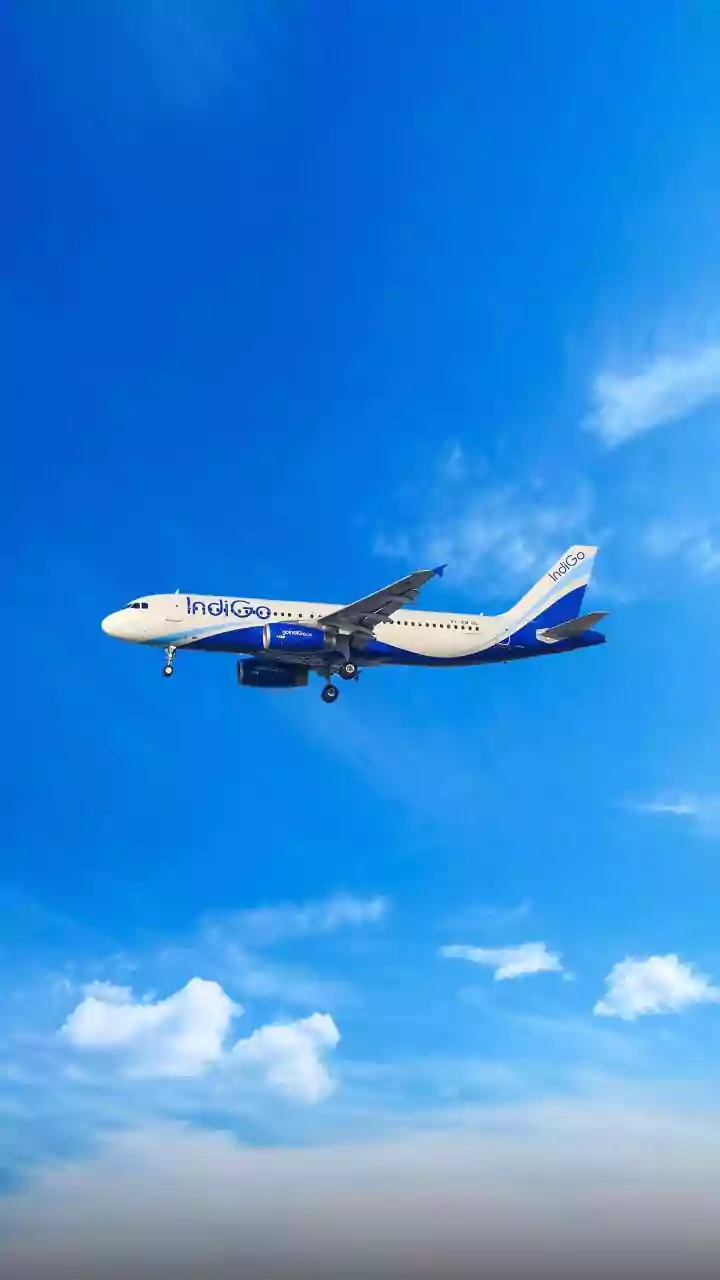
Airlines like IndiGo, Air India, and Vistara offer dedicated student discount programs that can provide relief. These often include a percentage off the base fare and, just as importantly, a more generous baggage allowance. IndiGo's '6E Students' program, for example, offers a discount plus an extra 10kg of baggage, which can be a substantial saving. Air India also provides student concessions with additional baggage and occasional promotional offers. To access these fares, you typically need to book directly on the airline’s website and provide a valid student ID or university acceptance letter at the time of booking or check-in. Platforms like StudentUniverse also specialize in negotiated fares for students, which can be another valuable resource to check.