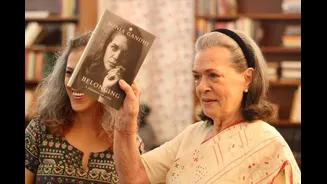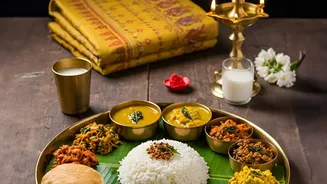


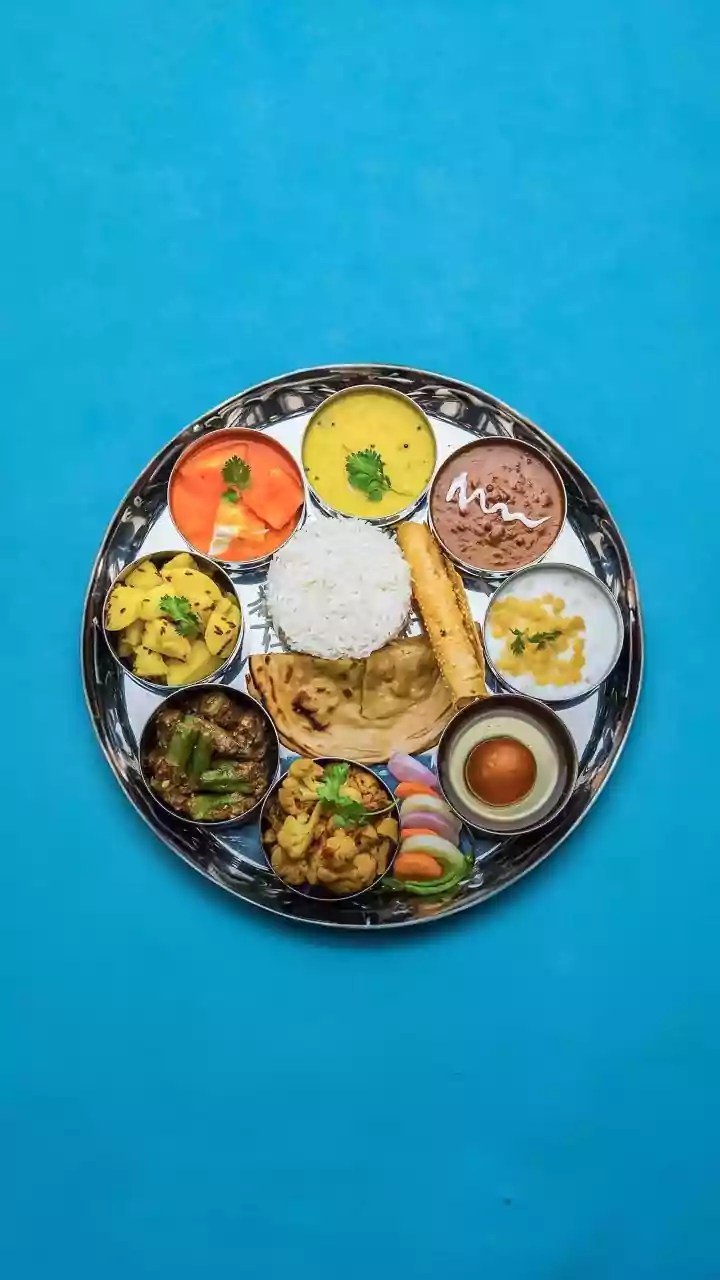

At 1, Safdarjung Road, the official residence of the Prime Minister, a different side of Indira Gandhi often emerged—one deeply connected to her roots, where festive tables were graced with the comforting flavours of Kashmiri cuisine.
A Glimpse Beyond the Public Persona
For much of the world,
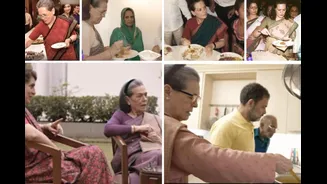
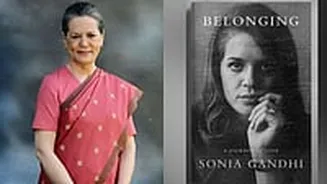
Indira Gandhi was the ‘Iron Lady of India,’ a formidable stateswoman who navigated the complex currents of national and international politics. Yet, within the walls of her residence, a more personal narrative unfolded, often centered around the dining table. It was here that her Kashmiri Pandit heritage, inherited from her father Jawaharlal Nehru, found expression. While known for her generally simple and frugal eating habits, festivals and special occasions brought forth a culinary celebration of her roots. In a recent recollection, her daughter-in-law, Sonia Gandhi, shared memories of Diwali at the Prime Minister's residence, noting that Kashmiri food was always a highlight. This tradition offered a taste of a deeply personal history, connecting the nation's most powerful office to the valleys of Kashmir.
The Significance of Sweet Rice
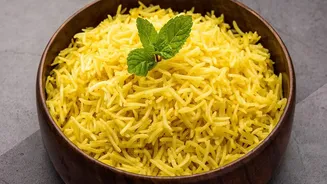
The headline mentions a 'sweet rice,' a dish that holds a special place in many Indian culinary traditions. Sonia Gandhi recalled this festive sweet rice as a staple during celebrations in Indira Gandhi's time, a practice the family continues to this day. While the exact name wasn't specified, Kashmiri cuisine boasts several festive rice preparations. One possibility is 'Modur Pulav,' a fragrant dish made with ghee, saffron, cinnamon, and a generous amount of dry fruits, giving it a delicate sweetness and a rich, golden hue. Another, simpler but deeply significant dish is 'Tahri' or 'Tehar.' This yellow rice, coloured with turmeric, is a cornerstone of Kashmiri Pandit culture. It's cooked for birthdays, festivals, and as a thanksgiving offering, symbolizing gratitude and blessings. This dish of celebration and reverence would have been a natural fit on a festive table.
A Table Rooted in Kashmiri Heritage
The Nehru-Gandhi family's connection to Kashmir was more than just a line in a biography; it was a living part of their identity. Indira Gandhi’s fondness for Kashmiri fare was well-known. Her niece recalled that even at her wedding, the menu was entirely vegetarian Kashmiri food. Dishes like goshtaba and yakhni would often appear during special meals, and the fragrant Kashmiri kahwa tea was a regular feature when she and her father played host. This culinary link served as a constant, quiet reminder of her ancestry amidst the demanding life of a public servant. The presence of these specific dishes, prepared on special days, transformed the official residence into a home, grounding the family in a shared cultural and emotional landscape.
Food as a Form of Connection
In the world of politics and diplomacy, food is never just about sustenance. The meals served at 1, Safdarjung Road were an extension of hospitality and, at times, a subtle form of connection. While Indira Gandhi often preferred simple meals, she was also known for her appreciation of regional Indian cuisines, enjoying local specialities during her travels across the country. But it was the Kashmiri food at her own table that spoke of her personal story. Sharing these dishes with family and guests was a way of sharing a piece of herself and her heritage. It humanized a figure often seen only through a political lens, revealing a host who understood the power of a shared meal to foster warmth and build bridges, one flavourful spoonful at a time.