




The TikTok Time Machine
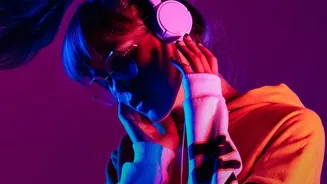
The single biggest driver behind this resurgence is short-form video. Platforms like TikTok and Instagram have become powerful engines for music rediscovery, introducing older songs to entirely new audiences. A 15-second clip is all it takes for a song to go
from a dusty back catalogue to a global viral trend. Consider Fleetwood Mac’s 1977 hit “Dreams.” Its popularity exploded decades after its release when it became the soundtrack to a viral skateboarding video in 2020, sending it back up the Billboard charts. More recently, Chris Rainbow's 1979 song “Be Like a Woman” gained immense popularity in late 2025 thanks to a TikTok trend. For many Gen Z users, this is their first time ever hearing these tracks, completely divorced from their original context. The platform's algorithm, designed for rapid discovery, allows these 'sounds' to reach millions, who then use them to create their own content, fueling a cycle of rediscovery.
The 'Stranger Things' Effect
Beyond social media, television and film placements—a practice known as sync licensing—are creating massive cultural moments for older tracks. The most potent example remains Kate Bush’s “Running Up That Hill (A Deal With God).” After being featured prominently in a pivotal scene in the show Stranger Things, the 1985 song rocketed to the top of charts worldwide, introducing the reclusive artist to millions of new, younger fans. This 'sync' effect isn't new, but its impact is amplified in the streaming era. A song featured in a hit show is no longer a passive experience; viewers can immediately identify the track with their phone and add it to their personal playlists, giving it a second life that can last long after the episode airs. Music supervisors for film and TV are acutely aware of this power, often digging through decades of music to find the perfect track that not only serves a scene but also has the potential to become a viral hit in its own right.
An Infinite Jukebox
Streaming platforms themselves have flattened music history. In the age of Spotify and Apple Music, a song from 1975 sits right next to one released this morning. The barriers between genres and eras have dissolved. Algorithmic playlists and 'similar artist' recommendations quietly guide listeners to older music. If you like a contemporary rock band, the algorithm might logically serve you The Beatles or Led Zeppelin next. According to research, about one in five songs streamed today was released before 2020. This creates an environment where music discovery is no longer linear or tied to what's currently on the radio. For Gen Z and younger millennials, the concept of an 'old' or 'new' song is less important than whether it connects with them emotionally. They don't have to raid their parents' vinyl collection; the entire history of recorded music is available at their fingertips.
A Different Kind of Nostalgia
While older generations listen to these songs to relive personal memories, younger listeners are experiencing a different phenomenon: a nostalgia for a time they never lived through. This has been dubbed 'newstalgia'. Research shows that listeners aged 18-34 are the most likely group to play music specifically to create a nostalgic mood, even for decades they missed. In a world of hyper-polished pop, the raw, authentic sound of classic rock or 80s synth-pop can feel fresh and new. It offers a sense of comfort and connection in a fast-paced digital world. This trend also reflects a desire for authenticity and storytelling in music, qualities that timeless songs possess in abundance. The result is a music landscape where every era exists at once, and a great song never truly goes out of style.