





What Exactly Is a Cloud Kitchen?
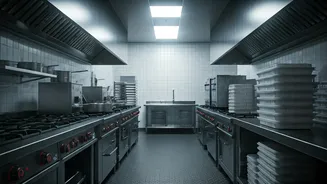
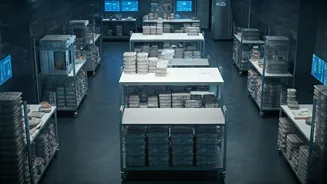
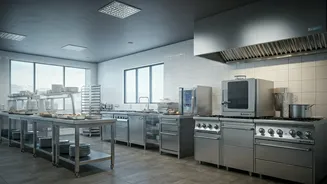
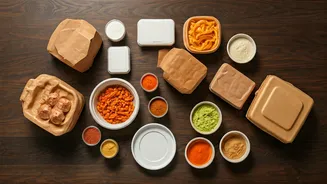
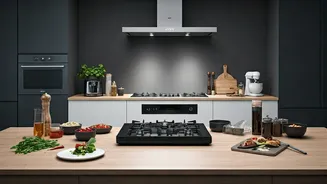
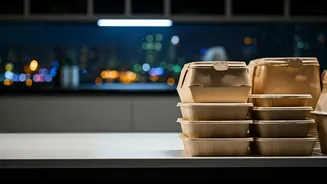
A cloud kitchen, also known as a ghost or virtual kitchen, is a restaurant that has no physical dining space. [4, 6] It is a commercial food production facility built exclusively for delivery and takeout orders. [2, 3] There are no tables, no waiters,
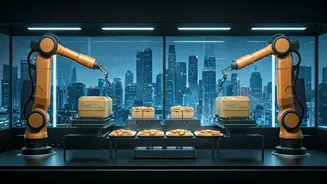
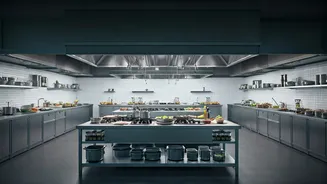
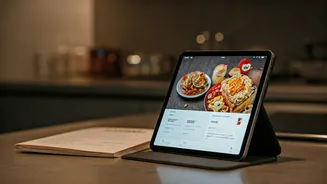
and no storefront for customers to walk into. Instead, they operate behind the scenes, often in shared commercial spaces, receiving orders through online food aggregators like Zomato and Swiggy or their own websites and apps. [4, 5] This model strips a restaurant down to its production core: the kitchen. From a single, centralised location, a business can operate one or multiple virtual brands, preparing different cuisines all under one roof. [3, 9]
The Economics of Going Ghost
The primary appeal of the cloud kitchen model is financial. Traditional restaurants are burdened by enormous overheads, including high rent for prime locations, interior design, and the cost of front-of-house staff. [2, 6] Cloud kitchens eliminate these expenses entirely. [24] By operating from lower-rent industrial areas, sharing infrastructure, and focusing only on kitchen staff, entrepreneurs can launch a food business with a significantly lower initial investment—sometimes 40-60% less than a conventional restaurant. [2, 15] This capital-light model allows for rapid scalability and the flexibility to experiment with menus and brands without the high risks associated with a brick-and-mortar establishment. [3, 27] Technology further enhances efficiency, with AI and data analytics used to predict demand, manage inventory, and optimize delivery routes. [9, 15]
The Brands Behind the Brands
The Indian cloud kitchen landscape is dominated by a few major players who have perfected the multi-brand strategy. Rebel Foods is a prime example, operating a vast network of kitchens that power popular brands like Faasos, Behrouz Biryani, and Oven Story Pizza. [13, 18, 19] A single Rebel kitchen can produce food for several of these distinct brands simultaneously, maximising efficiency and catering to diverse customer cravings from one location. [9, 13] Other significant players include Curefoods, which runs brands like EatFit and CakeZone, and BOX8, which focuses on delivering a full-stack experience from food preparation to logistics. [17, 21] These companies have demonstrated that a restaurant's success is no longer tied to a physical address but to its brand presence on a digital platform.
A New Recipe for Consumer Choice?
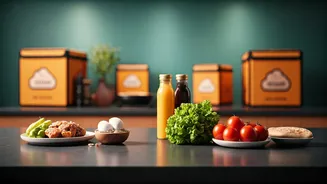
For consumers, the cloud kitchen boom has brought undeniable benefits: an unprecedented variety of cuisines available at their fingertips, competitive pricing, and the sheer convenience of on-demand meals. [2, 26] Whether you want gourmet meals, healthy salads, or late-night snacks, there is likely a virtual brand catering to that specific need. [13] However, this digital-first approach also has drawbacks. The absence of a physical space means there is no ambience or direct interaction with staff, which can lead to a trust deficit. [2] Brand loyalty is harder to build when customers are scrolling through dozens of similar options on an app, often swayed by discounts rather than a connection to the restaurant itself. [10]
The Challenge of a Crowded Kitchen
While the low barrier to entry is an advantage, it has also led to market saturation in many metro areas. [10] Intense competition makes it difficult for new brands to stand out. The heavy dependency on food aggregator platforms like Zomato and Swiggy is another significant challenge. [8] These platforms charge high commission fees, which can erode the already thin profit margins of a kitchen. [2, 10] To gain visibility, kitchens often have to offer deep discounts, creating a business model that drives volume but struggles with profitability. [10] Furthermore, maintaining consistent food quality and hygiene across multiple brands and locations is a constant operational hurdle. [2, 8]