





Know Exactly When to Look
Timing is everything in astronomy. The Orionid meteor shower is active from early October to early November, but the best time to watch in 2026 will be during its peak. Mark your calendar for the pre-dawn hours of October 21st and 22nd. The ideal viewing
window opens after the moon sets, which will be around 3 a.m. local time, and lasts until the first light of dawn. While a dark, rural site might yield 15-25 meteors per hour, your count in the city will be lower, so timing your viewing for this peak window is crucial.
Find Your Urban Oasis
The biggest challenge for any city-based stargazer is light pollution. The constant glow from streetlights, buildings, and traffic can wash out all but the brightest stars. Your mission is to find the darkest possible spot available to you. This could be a large park, a quiet rooftop terrace, or even a friend's balcony that faces away from major commercial areas. The goal is to minimise direct light sources in your field of view. Even moving to a spot that is shielded by a building or a line of trees can make a significant difference.
Let Your Eyes Fully Adapt
This is perhaps the most important hack that most people ignore. Your eyes need time to adjust to the darkness, a process called dark adaptation. It takes about 20 to 30 minutes for your pupils to fully dilate and for your eyes to become sensitive enough to spot faint meteors. Stepping outside and expecting to see shooting stars immediately will only lead to disappointment. Find your spot, get comfortable, and allow your eyes to adjust without looking at any bright lights. Patience here will be rewarded tenfold.
Put Your Phone Away
The single quickest way to ruin your night vision is to glance at your phone. The bright, blue-toned light from a phone screen instantly constricts your pupils and resets the dark adaptation process, forcing you to start all over again. If you absolutely must use a light, use a torch with a red filter or one covered with red paper. Red light has a much lower impact on your night vision. For the best experience, commit to putting your phone away for the entire duration of your stargazing session.
Look Away From Orion
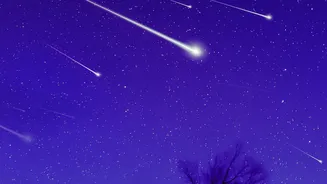
It might sound counterintuitive, but you shouldn't stare directly at the constellation Orion, the shower's radiant point. While the meteors appear to originate from there, the streaks themselves will be very short and difficult to spot near the radiant. For the best view, find a comfortable position, like a reclining chair, and look about 45 to 90 degrees away from Orion. This will allow you to see the meteors as they travel across the sky, revealing longer, more dramatic trails. The Orionids are known for their speed and the glowing trains they sometimes leave behind.
No Telescope Needed
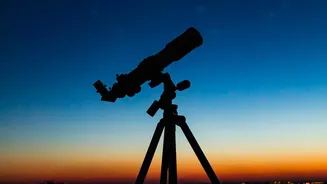
This is one celestial event where your naked eyes are the best tool for the job. Telescopes and binoculars have a very narrow field of view, meaning you'd be looking at a tiny patch of sky and would miss the vast majority of meteors streaking by. The goal is to take in as much of the sky as possible. So, save the equipment for another night. Simply lie back, relax, and let your eyes scan the darkness. This makes meteor watching one of the most accessible and democratic forms of astronomy.
Manage Your Expectations
A meteor shower is not a constant fireworks display. It is an event of patience and quiet wonder. There will be lulls, and then you might see a few meteors in quick succession. In an urban environment, the rate will be lower than the quoted peak numbers. Don't be discouraged if you only see a handful of shooting stars. The thrill of spotting that one brilliant streak of light, a tiny piece of a famous comet burning up 100 kilometres above you, is a magical experience that connects you directly to the cosmos, right from the heart of your city.