





A Legacy in a Cup
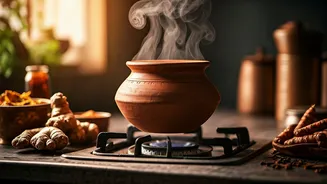
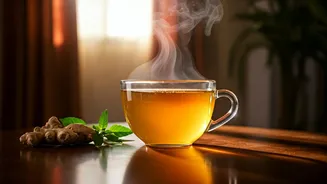
Kadha, at its core, is a decoction of herbs and spices steeped in hot water. It isn't a single recipe but a fluid concept, passed down through generations. For many of us, the memory is visceral: a grandmother insisting on a cup at the first sign of a sniffle,
or a mother preparing a potent brew to battle a seasonal cold. This drink is deeply woven into the fabric of Indian home life, representing the age-old wisdom of using the kitchen pantry as a pharmacy. Rooted in Ayurvedic principles, kadha is built on the idea of balancing the body's 'doshas' and strengthening its natural defences. It’s a practice that predates modern medicine, relying on the inherent properties of ingredients that were, and still are, staples in every household.
The Power in the Pot
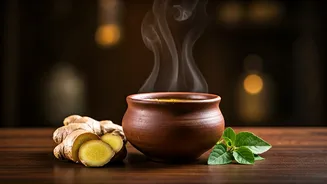
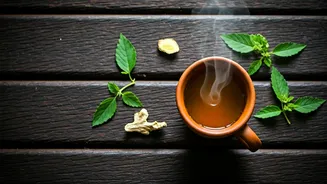
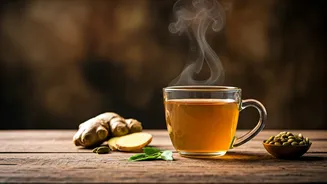
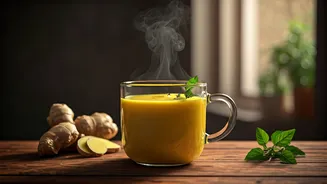
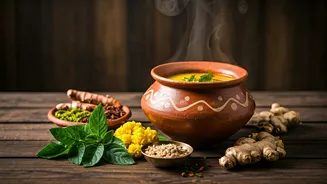
The magic of kadha lies in its synergistic blend of ingredients. Each component brings its own unique set of benefits, creating a whole that is greater than the sum of its parts. Common stars include ginger (adrak), known for its anti-inflammatory and digestive properties; tulsi (holy basil), revered for its immune-boosting and stress-relieving qualities; and black pepper (kali mirch), which not only helps with congestion but also enhances the bioavailability of other compounds, like curcumin in turmeric. Other frequent additions like cloves (laung), cinnamon (dalchini), and cardamom (elaichi) contribute their own antiseptic and antioxidant powers. While traditional knowledge has championed these benefits for centuries, modern science is increasingly validating them. Studies have explored the antimicrobial effects of tulsi and the powerful anti-inflammatory action of gingerol in ginger, lending a new layer of credibility to what our elders always knew.
More Than Just a Remedy
To reduce kadha to a mere health drink is to miss its soul. The act of preparing and consuming it is a ritual of care. It’s a warm hug in a mug on a cold, rainy day. It's the comforting assurance that someone is looking out for you. In a fast-paced world of instant fixes and over-the-counter medications, the slow, deliberate process of making kadha is a moment of mindfulness. It connects us to our roots, our family, and a sense of self-reliance. This emotional resonance is a huge part of why it endures. A store-bought tea bag or a pre-made syrup can never replicate the love and intention that goes into a homemade brew, tailored perfectly to your taste and your specific ailment.
The Homemade Advantage
While countless companies have tried to bottle this tradition, the homemade version remains supreme. Making kadha at home gives you complete control over the quality and quantity of ingredients. You can use fresh, organic ginger, adjust the spice level to your tolerance, and add a touch of honey or jaggery for sweetness. There are no hidden preservatives, artificial flavours, or excessive sugars. This customisation is key. Someone with a sore throat might add more mulethi (liquorice root), while a person dealing with indigestion might use more ajwain (carom seeds). The ability to adapt the recipe makes it a truly personal wellness tool, not a one-size-fits-all product. Furthermore, the very process of simmering the spices releases their volatile oils, filling your home with a therapeutic aroma that pre-packaged versions simply cannot match.
A Modern Classic
In an era of global health consciousness, kadha hasn't just survived; it has thrived. Its popularity surged during the COVID-19 pandemic as people sought natural ways to bolster their immunity. But even beyond that, it has found a new audience. Health-conscious millennials and Gen Z are embracing this ancient wisdom, sharing their own versions on social media and incorporating it into their daily wellness routines. Some add a splash of lemon for Vitamin C, others experiment with ingredients like star anise or lemongrass. This evolution ensures that kadha remains relevant. It is not a static relic of the past but a living tradition, adapting to the needs of the present without losing its essential character. It's proof that some things—especially those born of simplicity, nature, and care—are truly timeless.