





Why Permits Are Non-Negotiable
Before diving into the 'how,' it's important to understand the 'why.' Trekking permits in Uttarakhand are not just bureaucratic hurdles; they are essential tools for safety and conservation. For treks passing through National Parks, Wildlife Sanctuaries,
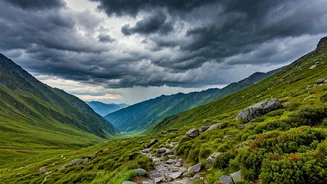
and ecologically fragile zones, permits help authorities manage footfall, ensuring the delicate ecosystems are not overwhelmed. This is particularly true for UNESCO World Heritage Sites like the Valley of Flowers, where a daily visitor cap is strictly enforced to protect its unique biodiversity. Furthermore, the registration process ensures that in case of any emergency, rescue teams have a record of who is on the trail. For treks in border areas, permits are also a matter of national security. Put simply, having a valid permit is your legal and responsible entry ticket to the high Himalayas.
The Mandatory First Step: Yatra Registration
Regardless of your specific trek, if your journey involves routes connected to the Char Dham circuit, a primary registration is often required. The Uttarakhand government mandates that all tourists and pilgrims register on the official Tourist Care Portal before their journey. This applies to those heading towards Gangotri (the base for the Gaumukh trek) or Hemkund Sahib (often paired with the Valley of Flowers). This registration is free and can be done online. You will receive a Yatra E-pass, which you should carry as a digital or printed copy. This general registration is a foundational step before you apply for the specific forest or national park permits required for your trek.
Case Study 1: The Valley of Flowers
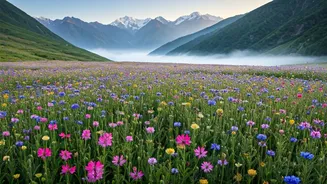
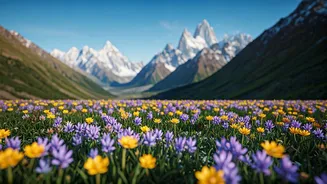
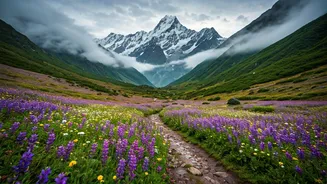
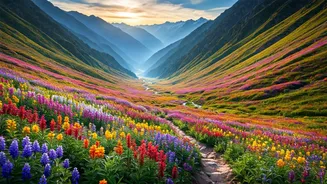
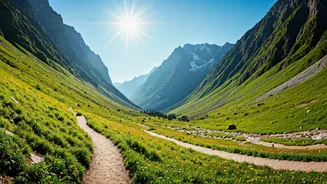
This vibrant, floral paradise is a perfect example of a trek with a streamlined but strict permit process. Online registration is compulsory and should be done via the official Nanda Devi Biosphere Reserve portal. During peak season, from July to August, permits can run out quickly due to the daily limit of 300 visitors, so booking in advance is highly recommended. The permit fee for Indian nationals is around ₹200, while foreign nationals pay about ₹800; this permit is valid for three consecutive days, allowing for multiple entries. Remember that no camping is allowed within the park; trekkers must enter after 7 AM and return to the base camp at Ghangaria by evening. When you head to the entry gate, you must carry the permit printout along with a valid government-issued ID like an Aadhaar card or passport.
Case Study 2: The Gaumukh-Tapovan Trek
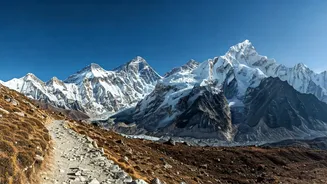
The trek to the source of the Ganges, Gaumukh Glacier, and the high-altitude meadow of Tapovan falls within Gangotri National Park, and its permit process is more intensive. Only 150 people are permitted to enter the park each day. While an offline permit can sometimes be obtained at the forest office in Gangotri, the recommended method is the online single-window system managed by the Uttarkashi district administration. Since late 2024, the requirements have become more stringent: trekkers must have a medical fitness certificate, trekking insurance, and be accompanied by a registered guide. These documents must be uploaded during the online application. The process can take a few days to be verified, so apply at least a week in advance. Weather plays a big role here; even with an online permit, authorities can halt entry if conditions are unsafe.
Your Essential Permit Toolkit
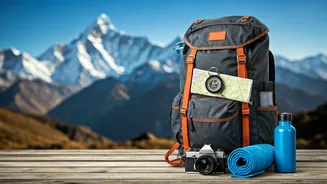
Being prepared can save you a lot of stress at checkposts. Before you leave home, assemble a folder with both physical and digital copies of these essential documents for every member of your trekking group: 1. Government Photo ID: Aadhaar Card is preferred for Indian citizens. Passports are mandatory for foreign nationals. 2. Yatra E-Pass: The downloaded pass from your registration on the Uttarakhand tourism portal. 3. Trek-Specific Permit: The final permit receipt for the Valley of Flowers, Gangotri National Park, or other protected areas. 4. Passport-Sized Photographs: It is always wise to carry a few extra photos. 5. Medical Fitness Certificate: Mandatory for treks like Gaumukh-Tapovan and highly recommended for any high-altitude trek. 6. Trekking Insurance Proof: A specific requirement for the Gaumukh trek, covering emergencies and evacuation. 7. Contact and Itinerary Details: A printed list of your group members, their emergency contacts, and your planned itinerary.