








A World Washed Anew
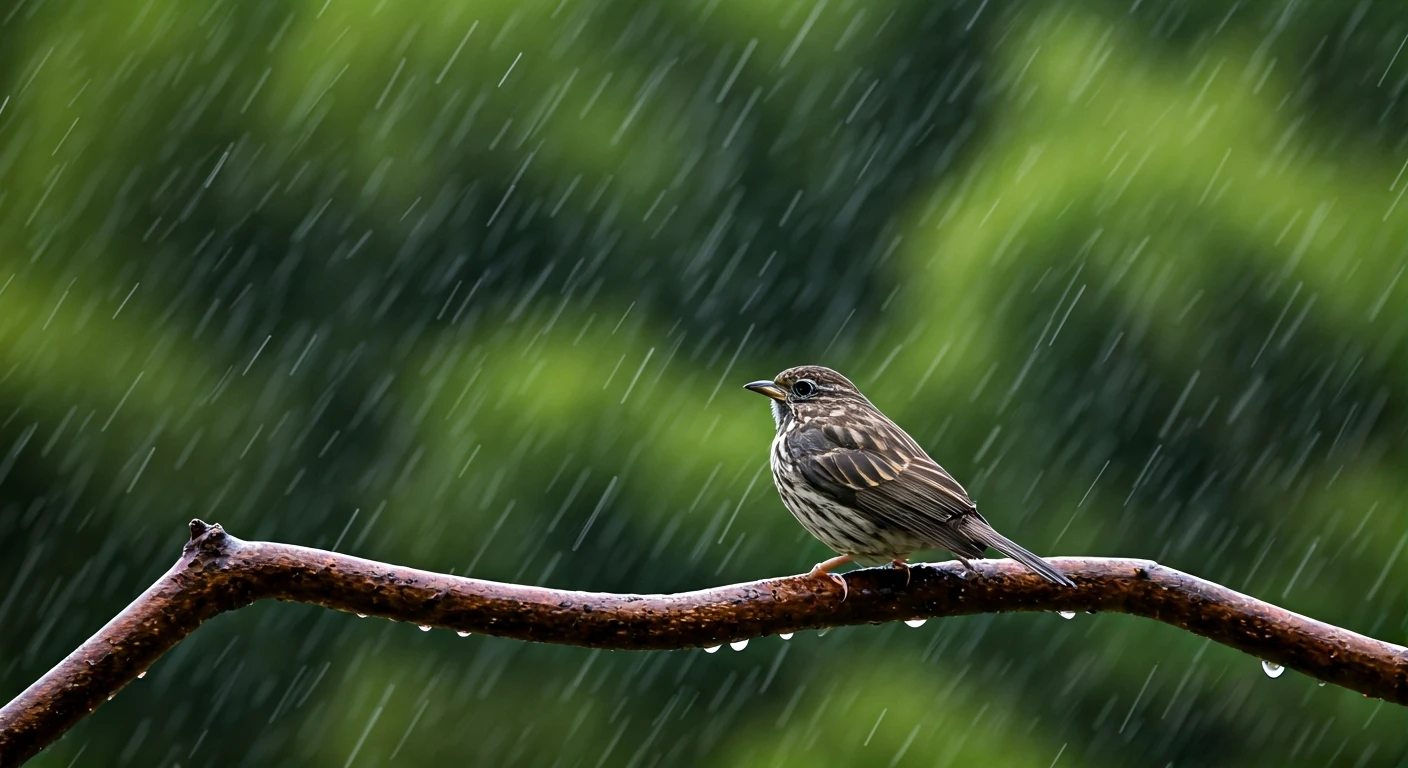
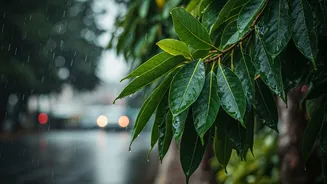
The most immediate change rain brings is visual. A layer of dust is washed away, and the world outside the window suddenly appears in high definition. The green of the leaves seems deeper, the bark on the trees darker and more textured, and the colours
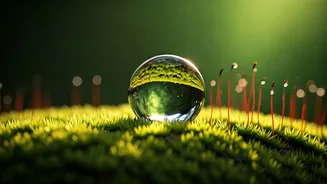
of blooming flowers become impossibly vibrant. Rain acts like a natural spotlight, forcing our attention onto details we normally overlook. A single drop clinging to a spider’s web becomes a tiny, perfect lens, reflecting the entire world within it. The way water beads on a waxy leaf or traces a path down a windowpane is a quiet, mesmerising performance. This sudden clarity makes the familiar feel new again, turning a simple backyard or neighbourhood park into a landscape ripe for exploration and appreciation.
The Soothing Soundscape
Close your eyes on a rainy day, and you’ll notice the world sounds completely different. The steady, rhythmic patter of raindrops creates a unique form of sound known as “pink noise.” Unlike the jarring interruptions of city life, this consistent soundscape can be deeply calming, masking other distracting noises and promoting a sense of tranquillity. This soothing effect is one reason rain sounds are a popular feature on relaxation and sleep apps. The sound encourages our brains to relax, fostering a state of mild mindfulness that allows our thoughts to slow down. Whether it’s a gentle drizzle or a powerful downpour, the sound of rain provides a comforting backdrop that encourages introspection and a peaceful pause from our busy lives.
The Primal Scent of Petrichor
Perhaps the most evocative gift of the rain is its smell. That distinctively earthy, fresh scent that rises after the first drops hit dry ground has a name: petrichor. The term, coined by Australian scientists in the 1960s, comes from the Greek words for “stone” and “the fluid that flows in the veins of the gods.” The scent is a combination of oils secreted by plants during dry spells and a chemical called geosmin, produced by soil bacteria. When raindrops hit the ground, they trap tiny air bubbles that shoot upwards, releasing these compounds into the air like a natural aerosol. Humans are incredibly sensitive to this smell, with some suggesting our affection for it is an evolutionary trait passed down from ancestors who relied on rain for survival. It’s a scent that signifies renewal, growth, and life itself.
An Invitation to Soft Fascination
Why does all of this—the sight, sound, and smell of rain—captivate us so completely? Environmental psychologists have a term for it: “soft fascination.” Unlike “hard fascination,” which involves intense, attention-grabbing stimuli like a sporting event or a video game, soft fascination comes from gentle, undemanding natural phenomena. Watching clouds drift, leaves rustle, or raindrops trickle down a windowpane captures our interest effortlessly, allowing our minds to wander and reflect without feeling drained. This state helps restore our capacity for directed attention, which we exhaust during our daily tasks. Rain forces a pause, creating the perfect conditions for this mental reset. It pulls us into the present moment, encouraging a mindful state where we can appreciate the simple, profound beauty unfolding right in front of us.