

Gopalkala from Maharashtra
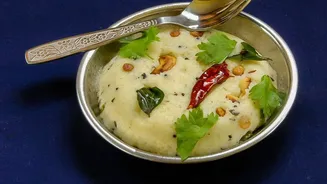
Imagine a dish that captures the playful spirit of a young Krishna and his friends. That's Gopalkala. Hailing from Maharashtra, this savoury mixture is central to the Dahi Handi celebrations. It's a simple, no-cook preparation of flattened rice (poha)
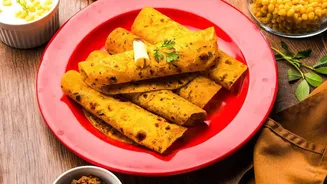
mixed with curd, cucumber, grated coconut, and a tempering of ghee, cumin, and green chillies. The result is a refreshing, textured, and wholesome snack that evokes the story of Krishna mixing his friends' lunch offerings into one shared meal. Its simplicity and cooling properties make it a perfect antidote to festive fervor, and its delightful blend of savoury, tangy, and fresh flavours deserves a place on snack platters nationwide.
Taler Bora from Bengal
Come monsoon, and coinciding with Janmashtami, Bengal gets blessed with the ripe Asian palmyra palm, or 'taal'. This seasonal fruit is the star of Taler Bora, deep-fried fritters that are blissfully sweet and fragrant. The process involves extracting the rich, aromatic pulp from the fruit and mixing it with rice flour, semolina, coconut, and jaggery or sugar to form a thick batter. These small dollops are then fried to a gorgeous deep brown, resulting in a snack that's crispy on the outside with a soft, dense interior. A Bengali Janmashtami is considered incomplete without them, and their unique, seasonal flavour is a compelling reason for food lovers everywhere to take note.
Dhania Panjiri from North India
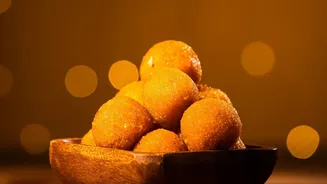
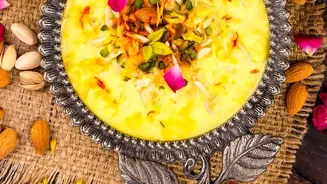
While most festival sweets are grain or milk-based, Dhania Panjiri from Punjab and Uttar Pradesh charts a unique course. Made especially for Janmashtami, this prasad uses roasted coriander seed powder as its base instead of wheat flour, making it suitable for those who are fasting. The ground coriander is sautéed in ghee until aromatic and then mixed with powdered sugar, nuts, and sometimes fox nuts (makhana). Far from being just a fasting food, Dhania Panjiri is surprisingly delicious, with a nutty, fragrant, and mildly sweet profile. It's also known for its digestive properties, making it a thoughtful and nourishing offering. This unique blend of spice and sweet is a tradition worth adopting.
Vella Aval from South India
Simple, sweet, and steeped in mythology, Vella Aval is a beloved Janmashtami (or Krishna Jayanthi) offering in the South. Made with flattened rice (aval or poha), jaggery (vellam), and fresh coconut, this dish is a tribute to the story of Krishna and his humble friend Sudama, who offered him a simple pouch of poha. The preparation is incredibly straightforward: washed poha is gently mixed with melted jaggery syrup, grated coconut, and a touch of cardamom powder. No complex cooking is required, yet the resulting dish is deeply comforting and satisfying. Its wholesome sweetness and connection to a timeless tale of friendship make it a beautiful tradition that's easy to embrace anywhere.
Panchamrit, The Divine Nectar
Though known across India, Panchamrit is too significant to overlook and its preparation often has subtle regional touches. The name itself translates to "five nectars," referring to its five core ingredients: milk, curd (yogurt), honey, sugar, and ghee. This sacred concoction is used for the ritual bathing of the deity's idol (abhisheka) and then distributed as prasad. Each ingredient holds symbolic meaning: milk for purity, curd for prosperity, honey for unity, sugar for bliss, and ghee for strength. While the northern version is a liquid offering, South Indian Panchamrutham is often thicker, incorporating mashed bananas and fruits. More than a dish, it's a spiritual and healthful elixir believed to boost immunity and purify the body and soul.