





The Chilling Reign of the Ice Bath
For decades, the ice bath has been the gold standard for elite athletic recovery. The logic is simple: after intense exercise, muscle fibres sustain micro-tears, leading to inflammation and that familiar next-day soreness. Submerging the body in cold
water causes blood vessels to constrict, a process called vasoconstriction. This is believed to reduce swelling, numb pain, and slow down tissue breakdown. When you finally step out of the icy water, your body warms up, and blood rushes back to the muscles, supposedly flushing out metabolic waste products like lactic acid. For professional runners with access to dedicated training facilities, a full-body ice plunge is a scheduled part of their regimen, aimed at accelerating recovery and getting them ready for the next demanding session.
The Practical Hurdles of a Home Plunge
While the benefits of cold water immersion are noted, the reality for a metropolitan runner is starkly different from that of a pro athlete. The biggest barrier is logistics. Sourcing multiple bags of ice for every long run is costly and inconvenient. More significantly, few city apartments can accommodate a large tub dedicated to icy plunges. It’s a space-consuming, time-intensive, and often bracingly uncomfortable process. While portable tubs exist, they still require setup, filling, and a certain tolerance for shivering that not everyone possesses. This practical friction often means the 'perfect' recovery tool is one that is rarely used, negating its benefits entirely.
Enter the Contrast Shower: A Practical Alternative
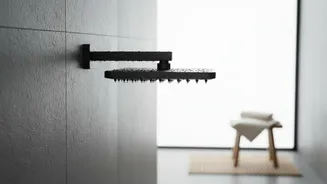
This is where the contrast shower comes in as a more user-friendly solution. The method involves alternating between hot and cold water during a single shower session. A typical routine might involve three minutes of hot water followed by one minute of cold, repeated for several cycles. The science behind it is compelling: the hot water causes vasodilation (widening of blood vessels), increasing blood flow, while the cold water causes vasoconstriction (narrowing). This creates a 'pumping' action that is thought to be highly effective at boosting circulation. This enhanced blood flow delivers oxygen and nutrients to tired muscles while efficiently removing waste products, helping to reduce soreness and speed up repair.
Comparing the Recovery Payoff
So, how does a simple shower stack up against the mighty ice bath? Research suggests contrast water therapy is a highly effective recovery tool. Some studies indicate it can be more effective than passive rest and, in some cases, as effective as cold water immersion alone for reducing delayed onset muscle soreness (DOMS). The alternating temperatures are believed to reduce inflammation, lessen fatigue, and decrease muscle stiffness more dynamically than a static cold plunge. While some experts argue that a full ice bath provides a stronger anti-inflammatory effect for acute pain, contrast therapy offers a broader circulatory boost. For the amateur runner whose goal is to feel good for their next run rather than win a gold medal, the benefits are substantial and, crucially, consistently achievable.
Why Consistency Trumps Extremes in the City
The shift in preference among metropolitan runners isn't just about the science; it's about human behavior. A contrast shower requires no extra equipment, no bags of ice, and no significant time commitment beyond a normal shower. It can be easily integrated into a post-run routine, making it far more likely to be performed consistently. For runners juggling work, family, and training in a bustling urban environment, the best recovery method is the one they will actually do. The contrast shower provides a significant portion of the physiological benefits of more extreme hydrotherapy, but with near-zero friction. It represents a pragmatic, effective, and sustainable choice for modern urban athletes.