




Vehicle Health: Your First Line of Defence
Before you even think about starting your journey, a thorough vehicle check is non-negotiable. Your tyres are the single most critical component on wet, winding roads. Ensure they have adequate tread depth to prevent skidding on slippery surfaces. Next,
inspect your brakes. On steep descents, your brakes will be under immense strain, and wet conditions reduce their efficiency. If you notice any squealing or sponginess, get them checked. Finally, verify all your lights are in perfect working order: headlights, tail-lights, fog lamps, and indicators. Poor visibility is a given, and your lights are crucial for both seeing and being seen. Don't forget your windscreen wipers; replace worn blades that leave streaks.
Driver Readiness: Be Rested and Alert
An overnight drive, especially in treacherous conditions, demands a well-rested driver. Fatigue is a major risk factor, so get a full night's sleep before you set off. Avoid starting your journey after a long, tiring day at work. Plan your drive to avoid the worst of the weather if possible, checking forecasts before you leave. On the road, stay focused and minimize distractions. This means putting your phone away and keeping conversations to a minimum. The winding, narrow roads of the Ghats require your full attention, more so at night when rain and fog can drastically reduce visibility in seconds. Remember, the person behind the wheel is the most important safety feature.
Driving Techniques for Ghat Roads
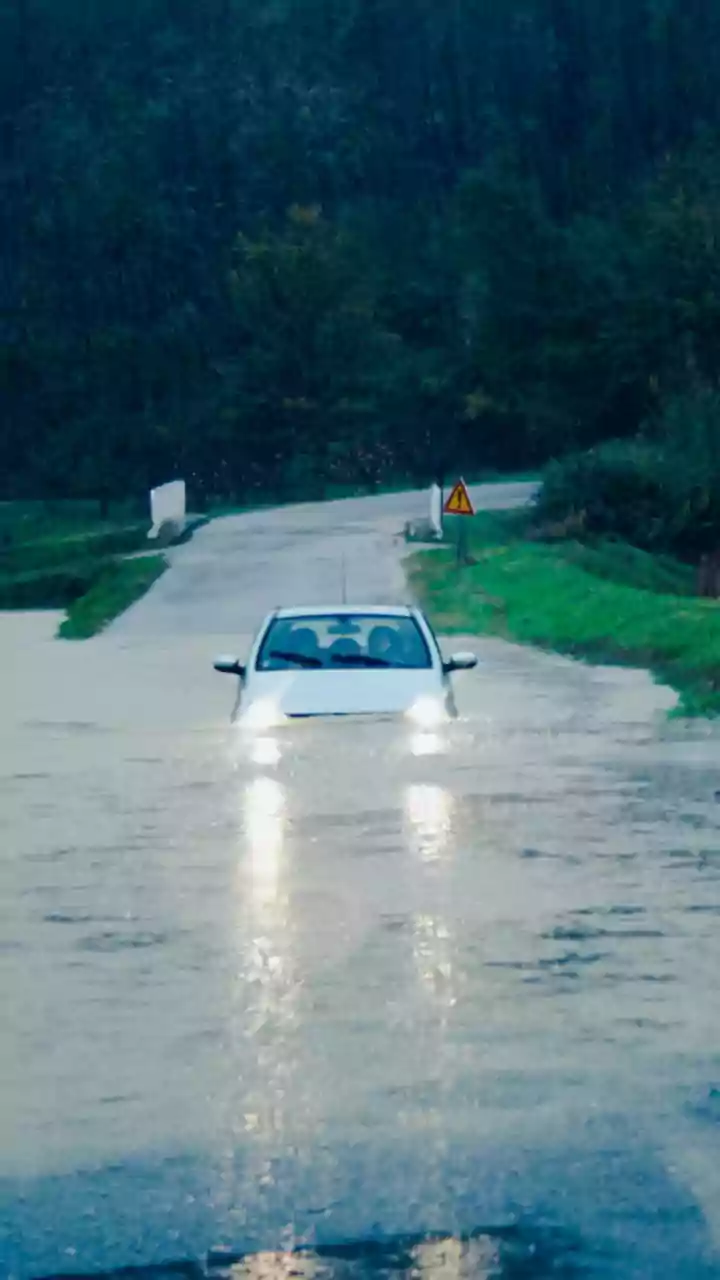
Driving in the Ghats at night during monsoon is fundamentally different from highway driving. The golden rule is to slow down. Your braking distance increases significantly on wet roads, so maintain a larger-than-usual gap from the vehicle in front. Use lower gears for both uphill climbs and downhill descents to maintain better control and reduce strain on your brakes. Honk politely around blind curves to alert oncoming traffic. A crucial rule of the Ghats is to give way to vehicles driving uphill. When overtaking, be exceptionally patient and never attempt it on a blind curve. Be wary of large puddles, as they can hide deep potholes or cause your vehicle to hydroplane, leading to a complete loss of control.
The Essential Emergency Kit
In the Ghats, especially at night, help can be hours away. Being self-sufficient is key. Your emergency kit should include a powerful torch, a fully charged power bank for your phone, and a complete first-aid kit. Also pack a tow rope, a reflective warning triangle, and basic tools. Given the high risk of landslides and road blockages, carrying extra food and water is a wise precaution. A raincoat, umbrella, and a change of clothes can make a long wait much more comfortable if you get stranded. Ensure your spare tyre is properly inflated and in good condition. These items may seem excessive, but they are invaluable when you're stuck in the middle of nowhere.
Handling a Breakdown or Emergency
If your car stalls, especially in a waterlogged area, do not try to restart it. Doing so can cause water to enter the engine, leading to catastrophic and expensive damage. The first step in any breakdown is to get your vehicle to the side of the road, as far from moving traffic as possible. Immediately switch on your hazard lights. If it's safe to exit, place a warning triangle 50-100 metres behind your car to alert other drivers. In heavy rain and fog, visibility is extremely low, so stay inside your vehicle with your seatbelt on if you're on a narrow shoulder. Call for roadside assistance and provide them with your precise location. If you are in a remote area with no signal, wait for a passing vehicle for help, but prioritize your safety above all.