








The Game-Changing Proposal
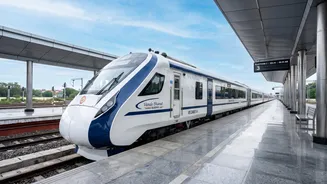
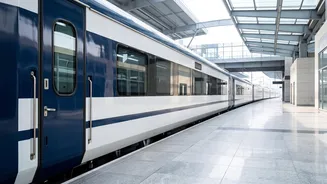
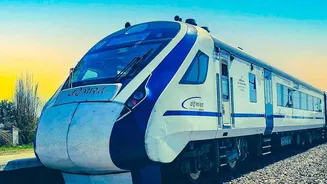
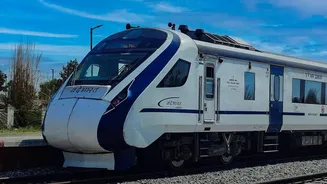
For decades, the journey between Mumbai and Bengaluru has been a lengthy affair, with existing trains like the Udyan Express taking 22 hours or more. The proposed Vande Bharat sleeper train promised to revolutionize this corridor. Plans indicated a sleek,
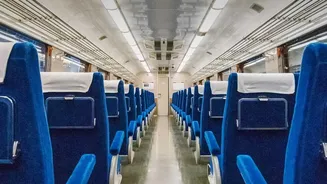
16-coach, fully air-conditioned train that would slash travel time to around 16 hours, a saving of up to eight hours. This would link Mumbai's Chhatrapati Shivaji Maharaj Terminus with Bengaluru's KSR station, with key stops including Pune, Solapur, Kalaburagi, and Kalyan. The service aims to provide a premium overnight travel experience with 823 berths spread across First, Second, and Third AC classes, offering a significant upgrade in comfort and speed.
A Shifting Timeline
The project was officially approved by the Railway Board in early 2026, with Railway Minister Ashwini Vaishnaw confirming the decision on April 5. This sparked widespread anticipation, with initial reports suggesting a launch by October. More recently, Union Minister of State for Railways V. Somanna announced a potential inauguration date of November 1, 2026, to coincide with Karnataka Rajyotsava. However, despite these announcements and a successful trial run on the Mumbai-Pune section, the plan has not yet translated into a running service for the public. An official notification confirming the final timetable, fare structure, and the start date for commercial bookings is still awaited from Indian Railways.
What Is Causing the Delay?
While the Mumbai-Bengaluru train itself appears ready for its inaugural run, the broader Vande Bharat sleeper project has faced systemic delays. Reports from late 2024 and 2025 pointed to significant challenges in the manufacturing and design approval stages for the new sleeper rakes. Issues raised by the Railway Board included design flaws that could affect the train's ability to reach its top speed of 160 kmph. These included overweight electrical components and improperly sized water tanks. Furthermore, disagreements over design specifics, such as the number of toilets and the inclusion of mini-pantry cars, have caused friction between Indian Railways and its manufacturing partners, including a joint venture with Russian firm Transmashholding (TMH). These production hurdles have had a cascading effect on the rollout of new sleeper services across the country.
Current Status and What's Next
As of late October 2026, the Mumbai-Bengaluru sleeper train is on the cusp of launch, but not yet operational. Minister V. Somanna has indicated a November 1 start, and sources suggest the inaugural run will commence from Bengaluru. However, it remains unclear if this will be a one-off inaugural event or the beginning of regular commercial service. One official noted that the launch could not happen earlier in October due to the model code of conduct being in force for legislative council elections in Karnataka. Travellers eager to book their tickets must wait for the final green signal from the Railway Board, which will officially release the schedule and open reservations on the IRCTC platform. Until then, the service remains a highly anticipated plan rather than a bookable reality.