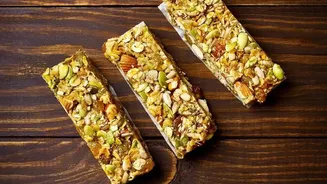







The Midday Munchie Trap
It’s a familiar scene in offices everywhere: the post-lunch dip in energy that sends you searching for a quick pick-me-up. This is when the vending machine and the office pantry, stocked with biscuits and fried namkeen, become most tempting. While these
snacks offer a momentary hit of satisfaction, they are often loaded with refined flour, unhealthy fats, and empty calories, leading to an inevitable energy crash and a side of guilt. The craving for a crunchy, savoury snack is perfectly natural, but the usual choices can derail your health goals and leave you feeling sluggish for the rest of the workday.
The Ancient Grain Advantage
This is where millets like ragi (finger millet) and jowar (sorghum) come in as modern-day snacking heroes. These ancient grains, once staples in traditional Indian diets, are making a major comeback for good reason. Unlike the simple carbohydrates found in many processed snacks, millets are complex carbohydrates rich in dietary fibre. This means they release energy slowly, keeping your blood sugar levels stable and preventing those dreaded energy spikes and crashes. They are also naturally gluten-free and packed with essential vitamins and minerals, making them a nutrient-dense choice.
Spotlight On: Roasted Ragi Chips
If you’re looking for a crunchy snack that works for you, not against you, roasted ragi chips are an excellent choice. Ragi is a nutritional powerhouse, celebrated for being one of the best plant-based sources of calcium, which is vital for bone health. It’s also a good source of iron and fibre. When ragi chips are roasted instead of fried, their fat and calorie content is significantly lower than that of traditional potato chips, giving you all the satisfying crunch without the greasy fingers and guilt. The high fibre content also helps you feel full and satisfied for longer, curbing the urge to overeat.
Spotlight On: Jowar Puffs
Another fantastic option for guilt-free munching is jowar puffs. Jowar, or sorghum, is lauded for its high protein and fibre content. This combination is key for satiety—feeling full and satisfied—which helps in managing weight. These light, airy puffs are typically baked or air-popped, making them a low-calorie alternative to other fried snacks. Jowar is also rich in antioxidants and essential nutrients like magnesium and phosphorus. Its low glycemic index makes it a great option for maintaining steady energy levels throughout a busy afternoon.
How to Read the 'Healthy' Snack Label
While ragi and jowar snacks are inherently healthier, not all packaged options are created equal. It's crucial to become a savvy label-reader. The most important thing to check is the ingredients list, which is always in descending order of weight. Look for snacks where the first ingredient is ragi or jowar, not refined flour (maida) or sugar. Pay attention to the cooking method; always opt for 'roasted' or 'baked' over 'fried'. Also, check the sodium content, as some packaged snacks can be surprisingly high in salt. A quick glance at the 'per 100g' column gives you a better way to compare products than the often misleading 'per serving' size.
Beyond Chips and Puffs
Ragi and jowar are just the beginning. The world of healthy Indian office snacks is vast and delicious. Consider stocking your desk drawer with other wholesome options like roasted makhana (fox nuts), which are light, crunchy, and low in calories. Roasted chana (chickpeas) is another classic, high-protein choice that keeps you full. A small portion of mixed nuts provides healthy fats and sustained energy, while whole grain crackers can also be a good vehicle for a satisfying crunch. The key is to have these healthier alternatives within arm's reach to make the smart choice the easy choice.