


Why Bother with Composting?
Before you start, it’s worth knowing the incredible benefits. Composting is far more than just a gardening hack; it's a powerful environmental action. A significant portion of household waste in Indian cities is organic material like vegetable scraps.
When this ends up in landfills, it decomposes without oxygen and produces methane, a potent greenhouse gas. By composting, you divert this waste, reducing your carbon footprint. For your garden, the rewards are immense. Homemade compost is a superfood for your soil. It improves soil structure, helps retain moisture (meaning less watering), and slowly releases essential nutrients like nitrogen, phosphorus, and potassium. This creates healthier, more resilient plants and reduces the need for chemical fertilizers, saving you money and protecting the environment.
The Golden Rule: Balancing Greens and Browns
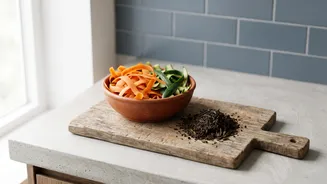
Successful composting boils down to one simple principle: layering your 'greens' and 'browns'. 'Greens' are nitrogen-rich materials that are typically wet. This includes all your kitchen scraps like vegetable peels, fruit cuttings, coffee grounds, and, of course, spent tea leaves. 'Browns' are carbon-rich materials that are dry. Think of dried leaves, shredded newspaper, cardboard, and coco peat. The ideal ratio is roughly two parts brown material to one part green material. This balance is crucial. Too many greens can lead to a slimy, smelly pile, while too many browns will slow down decomposition to a crawl. Getting this mix right ensures your compost breaks down efficiently without attracting pests or creating foul odours.
Your Step-by-Step Guide to Getting Started
Creating your own compost is surprisingly simple, even in an apartment. First, choose a container. This can be anything from a dedicated compost bin to a simple terracotta pot or a plastic bucket with a few holes drilled for aeration. Start with a base layer of 'browns' like dried leaves or torn newspaper. On top of this, add your daily kitchen waste—the 'greens'. After adding the kitchen scraps, cover them with another thin layer of 'browns'. This simple step is key to preventing odours and discouraging fruit flies. Continue layering like this as you generate waste. Every few days, use a stick or trowel to turn the pile, mixing the layers to introduce oxygen, which is vital for the microorganisms doing all the work. Keep the pile as moist as a wrung-out sponge, sprinkling a little water if it seems too dry.
What to Add and What to Avoid
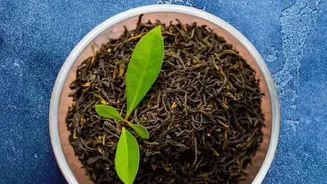
Your compost pile is not a general dustbin. Knowing what to add is critical for success. Freely add all fruit and vegetable peels, coffee grounds, crushed eggshells, and loose tea leaves. Most paper tea bags are also fine, but be wary of those with plastic mesh or staples; it's best to tear the bag open and empty the leaves. There are several items you must avoid. Do not add any meat, fish, bones, or dairy products, as they will rot, produce terrible smells, and attract rodents and other pests. Also, steer clear of oily or greasy foods, heavily salted leftovers, and glossy paper. While citrus peels and onion skins are acceptable in small amounts, adding too many can slow down the process.
Troubleshooting Common Issues
Even with the best intentions, you might run into a few issues. If your compost pile starts to smell like rotten eggs or ammonia, it's a sign that it's too wet and lacks air, or has too many 'greens'. The fix is simple: add more 'brown' materials like dry leaves or cardboard and give the pile a good turn to aerate it. If the pile isn't breaking down, it might be too dry or too small. A compost pile should ideally be at least 3 feet by 3 feet to generate enough heat. If it's dry, simply add some water and mix it in. If you see pests, it’s likely because you've added the wrong kinds of food; ensure you are only adding plant-based scraps and always cover new additions with a layer of browns.
Harvesting Your Black Gold
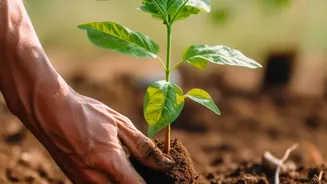
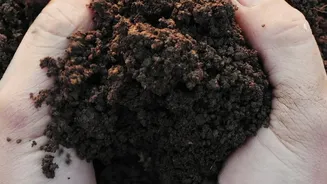
Patience is the final ingredient. Depending on conditions, your compost can be ready in as little as two months or may take up to a year. You'll know it's ready when it has transformed into a dark, crumbly material that looks and smells like rich, earthy soil. There should be no recognizable food scraps left. To use it, simply scoop out the finished compost from the bottom of your bin. You can mix it into the soil of your potted plants, use it as a top dressing for your garden beds, or use it to enrich the soil before planting new seedlings. Your plants will thank you for this nutrient-rich, homemade feast.