





The Ghost of Halley's Comet
The Orionid meteor shower is an annual event that occurs when Earth passes through the trail of cosmic dust and debris left behind by one of the most famous objects in our solar system: Comet 1P/Halley. While Halley's Comet itself only graces our skies
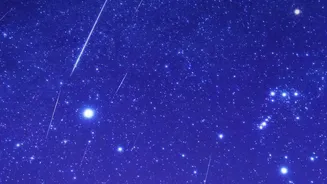
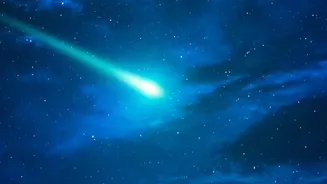
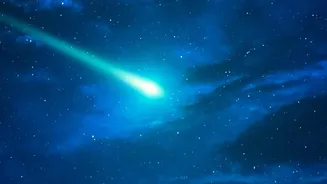
once every 76 years, its legacy lights up our sky twice annually. The Orionids in October and the Eta Aquariids in May are both born from this river of ancient cometary particles. When these tiny grains of dust, often no bigger than a grain of sand, hit Earth's atmosphere at incredible speeds—around 66 kilometres per second—they burn up, creating the brilliant streaks of light we call meteors or 'shooting stars'. The Orionids are known for being particularly swift and bright, and they can sometimes leave persistent, glowing trails that hang in the sky for a few seconds after the meteor has vanished.
Why 2026 Offers Perfect Viewing
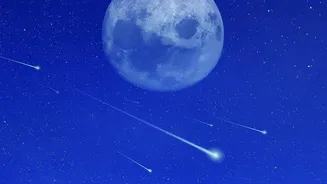
Not all meteor shower years are created equal. The single biggest factor that can make or break a viewing night is the brightness of the moon. A full moon can act like a giant spotlight, washing out all but the very brightest meteors. Fortunately for sky-gazers, 2026 is shaping up to be an exceptional year for the Orionids. The shower's peak coincides perfectly with the new moon phase. The new moon on October 20 means that during the peak viewing nights of October 21 and 22, the sky will be almost completely dark and free of moonlight. This creates the ideal canvas for the meteors to shine, making even the fainter ones visible and promising a much more active and rewarding show than in years hampered by a bright moon.
Peak Dates and Times for India
Mark your calendars. The Orionid meteor shower will be at its most active on the night of Monday, October 21, and into the early morning hours of Tuesday, October 22, 2026. While the shower is active throughout October and November, this specific window is when Earth plows through the densest part of the debris stream, maximising your chances of seeing meteors. The best time to watch is after midnight, from around 1 a.m. to just before dawn. This is when the shower's radiant—the point in the sky from which the meteors appear to originate, located in the constellation Orion—will be highest in the sky. A higher radiant means more meteors will be visible across the entire expanse of the night.
A Step-by-Step Viewing Guide
You don't need any expensive telescopes or binoculars to enjoy a meteor shower; your eyes are the best tools for the job. The key is preparation. First, find a location as far away from city and town lights as possible. Light pollution is the enemy of stargazing. A rural field, a dark park, or even a rooftop in a less-lit suburb can work. Second, give your eyes time to adapt. It takes about 20 to 30 minutes for your pupils to fully dilate and adjust to the darkness, allowing you to see much more. Avoid looking at your phone screen, as its bright light will reset your night vision. Third, get comfortable. Lie down on a blanket or a reclining chair so you can look straight up without straining your neck. The meteors can appear anywhere in the sky, so a wide-open view is best.
Patience and Realistic Expectations
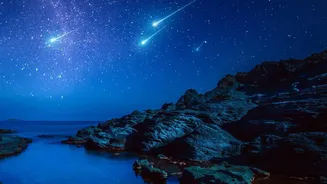
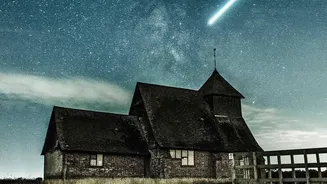
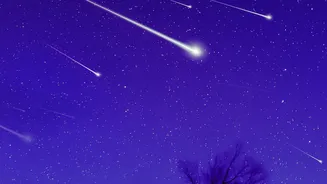
While we often see dramatic illustrations of skies filled with shooting stars, a real meteor shower is a more subtle and patient game. Under the perfect dark-sky conditions of 2026, you can expect to see about 15 to 20 meteors per hour during the peak. However, they often come in spurts. You might see two or three in a minute, and then nothing for the next ten. This is normal. The key is to relax, stay warm (even Indian nights can get chilly in late October), and enjoy the experience of being under the stars. The thrill comes from the anticipation and the sudden, fleeting beauty of each meteor as it streaks across the sky. Don't focus too hard on the radiant in Orion; instead, keep a broad, soft gaze across the darkest part of the sky for the best results.