


The Allure of Altitude and Darkness
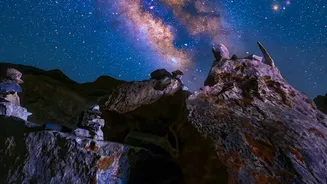
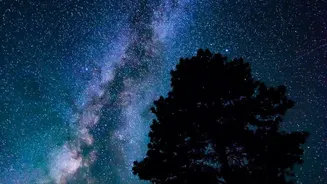
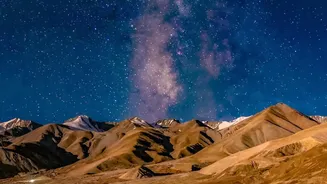
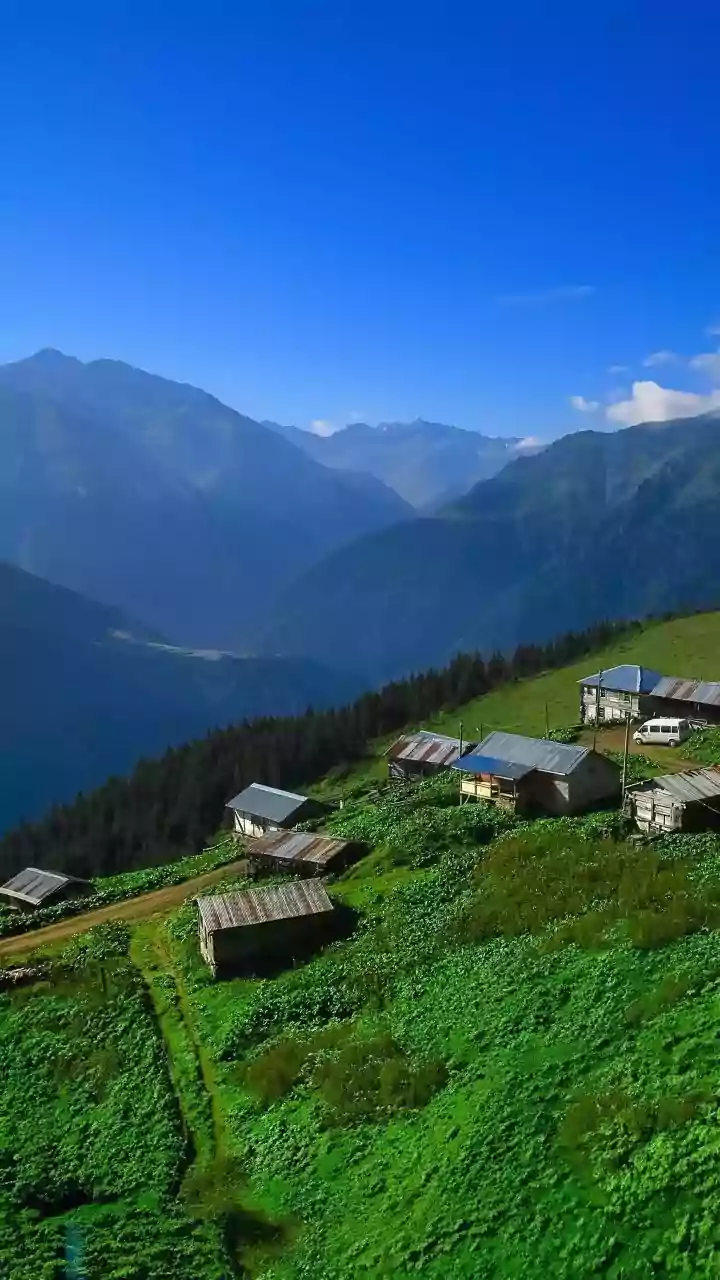
What makes the Spiti Valley region of Himachal a paradise for stargazers is a rare combination of geographical factors. Situated at an average elevation of over 12,000 feet, the high altitude means there is less atmosphere to blur the view of the night
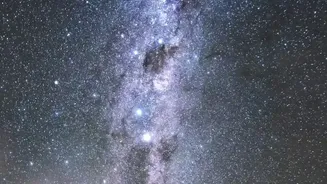
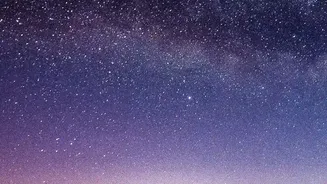
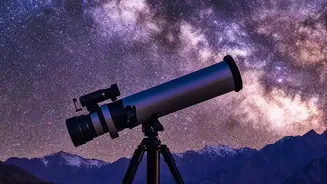
sky. This, combined with the region's cold desert climate, results in low humidity and minimal rainfall, ensuring crystal-clear skies for much of the year. The most crucial element, however, is the near-total absence of light pollution. Far from urban centers, these remote villages offer some of the darkest skies in India, allowing the Milky Way to be seen in all its glory with the naked eye.
Langza: The Star of the Show
Perched at an altitude of around 14,500 feet, the village of Langza is a focal point for this celestial tourism. Famous for its iconic, giant Buddha statue that watches over the valley, Langza provides a dramatic foreground for night sky photography. The village's isolation ensures almost zero light pollution, making it an ideal spot to witness meteor showers and constellations with breathtaking clarity. Beyond the stars, Langza is also known as the 'fossil village' of India, where million-year-old marine fossils can be found, a reminder that this Himalayan land was once under the Tethys Ocean. Accommodation is primarily through local homestays, offering travellers an authentic and immersive cultural experience alongside their stargazing.
A Constellation of Celestial Villages
While Langza is a highlight, it's part of a circuit of high-altitude villages that are equally spectacular for astrotourism. Nearby Komic, known as one of the world's highest motorable villages, offers uninterrupted panoramic views of the sky. Just a few kilometres away lies Hikkim, home to the world's highest post office, where travellers can send a postcard from the roof of the world while enjoying the serene, starry nights. Kibber, another popular village, is situated in a wildlife sanctuary and offers a unique blend of stargazing and opportunities for spotting rare Himalayan fauna. The main town of Kaza acts as a base for exploring these villages and even features a community-run stargazing facility to promote local astro-tourism.
Planning Your Galactic Getaway
The best time to visit Spiti Valley for stargazing is between May and September when the weather is milder and the roads are more accessible. During these months, the Milky Way is prominently visible. However, the winter months, though harsh with sub-zero temperatures, offer exceptionally clear and crisp skies for the truly adventurous. Acclimatization is key; spending a few days at a lower altitude before ascending to villages like Langza is crucial to avoid altitude sickness. Packing multiple layers of warm clothing is non-negotiable, even in summer, as night temperatures drop significantly. While many travel independently, several guided tours and astrophotography workshops are now available, often run by locals trained in astronomy, which helps support the community economy.